Picking a glamping tent sounds simple until you start browsing. Within minutes you’re comparing bell tents, safari lodges, geodesic domes and A-frame cabins, each with different sizes, sleeping capacities and nightly rates. It’s easy to book something that looks beautiful in photos but turns out too cramped for your family, too cold for a spring trip, or well over your budget.
This guide walks you through the decisions that matter. We’ll explain which tent styles exist and who each one suits, how to match a tent to the season and climate of your destination, and how to work out the space you actually need. We’ll also cover typical nightly costs, the comfort features worth checking before you pay, and the best timing for booking. By the end, you’ll know exactly which glamping tent fits your trip.
What Is a Glamping Tent and Which Styles Exist?
A glamping tent is a large, sturdy tent that arrives fully set up at your campsite or resort, usually with real beds and furniture inside. Unlike a tent you pitch yourself, it’s often mounted on a platform and managed like a hotel room, so you get an outdoor experience without hauling gear or fumbling with poles in the dark. The main styles differ a lot in size, structure and how “camping” they actually feel, so it pays to know the categories before you browse listings. Standard sizes vary too: bell tents typically run 3-5 m in diameter, while domes usually measure 4-6 m across.
Each style has its own character and practical strengths. Here’s what sets them apart:
- Bell tents: round canvas tents with a single central pole, giving a classic camping feel. Their circular layout works well for couples or small groups of up to 5 guests, and the canvas creates a cozy, breathable atmosphere close to traditional camping.
- Safari tents: large canvas lodges built on raised wooden platforms, often with a kitchenette and a covered veranda. They sleep 4-6 guests, feel closer to a small cabin, and suit groups who want room to spread out.
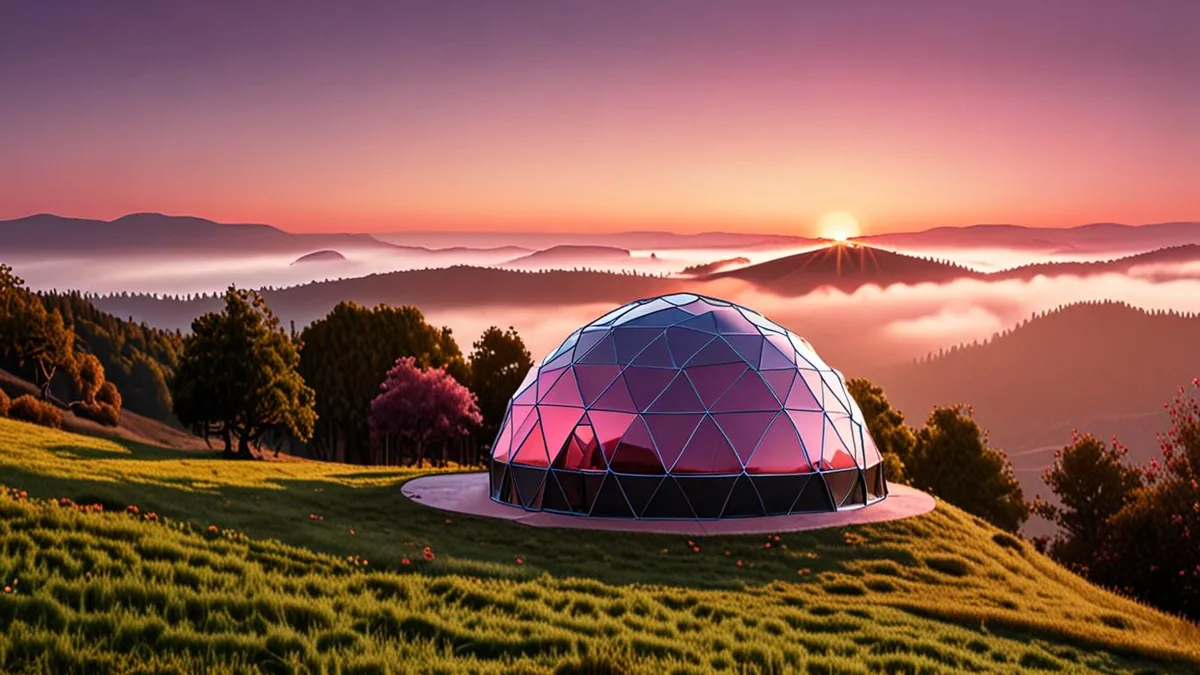
- Geodesic domes: dome-shaped structures with panoramic windows, usually set up for two guests. The interlocking frame handles wind and cold well, and the views through the curved windows are a big part of the appeal.
- Cabin-style and A-frame tents: units with rigid walls rather than soft fabric panels. They offer more hotel-like comfort, including solid doors and better sound insulation, and can often be used year-round.
Think of bell tents as the most traditional option, safari tents as the most spacious, domes as the most scenic, and cabin-style tents as the most weatherproof. Most glamping sites list the style, capacity and floor area clearly, so once you know the difference, narrowing down your options gets much easier. Start by matching the style to your group size and the vibe you want, then check the specific unit’s details before committing.
Match the Glamping Tent to Your Season and Climate
The right glamping tent depends heavily on when you’re traveling. Canvas bell tents breathe beautifully and feel pleasant in warm weather, but they suit mild months best — roughly May through September in temperate regions. Outside that window, a thin canvas tent can feel damp and chilly at night, especially in spring or autumn.
Cold-weather options
For stays between October and April, look at insulated domes or safari tents with heating. These units are built with better insulation, proper heating systems and solid flooring, so they stay comfortable even when temperatures drop. Many winter-friendly glamping sites advertise wood stoves or electric heaters as standard, so ask before booking rather than assuming.
Wind, rain and heat
Location matters as much as the calendar. If your site sits on an exposed coastline or in the mountains, ask the host about wind ratings and whether the tent has a full rainfly. A dome’s geodesic frame typically handles gusts better than a tall bell tent, but any reputable operator should be able to tell you how their units have performed in storms.
In hot climates, flip your priorities. Instead of insulation, look for mesh panels that keep insects out while letting air flow, generous shade over the tent, and good ventilation such as roof vents or roll-up sides. A tent designed for airflow will feel far more comfortable on a scorching night than a heavily insulated one built for cold.
How Many Guests and How Much Space Do You Need?
Tent capacity labels can be misleading. A tent listed as sleeping five might technically fit five people shoulder to shoulder, with no room for bags, chairs or a suitcase. Before booking, think about who’s coming and how you’ll actually use the space.
For couples, a 3-4 m bell tent or a 2-person dome usually feels genuinely spacious — you’ll have room for a proper bed and a small seating area. Families of 4-6 are better served by safari tents, where separate sleeping areas let kids go to bed at a different time than adults without anyone lying awake in the dark. That single layout detail can make or break a family trip.
A few practical checks before you commit:
- Ask for the exact bed configuration: one queen bed is very different from four singles, and some “family” tents are really one large bed plus a fold-out. Request a photo or description of the actual beds, not just the guest count.
- Size up for gear: if you plan to store luggage inside, add roughly 1 m to the listed diameter when comparing options. A 4 m bell tent with two large suitcases feels tight; a 5 m one doesn’t.
- Consider shared living space: safari tents on platforms often include a veranda or lounge area, which effectively doubles your usable space on dry evenings and gives kids somewhere to play out of the rain.
When in doubt, message the host with your group size and ask whether the layout works. Good glamping operators answer this question honestly and often suggest an upgrade if your party would be cramped.
Budget: What Glamping Tents Cost per Night
Glamping prices vary more than most travelers expect, and the biggest drivers are tent type, season and bathroom setup. If your dates are flexible, the same site can feel like two different price brackets depending on when you go.
In the shoulder season, simpler canvas bell tents often start around $90-200 per night. These are usually the most basic units on a site: real beds and lighting, but sometimes shared bathrooms and no kitchen. For a first glamping trip, they offer a gentle introduction without a big commitment.
Once the high season hits, safari tents and geodesic domes typically run $150-400 per night. You are paying for space, insulation, panoramic windows and often a private veranda or kitchenette. Family-sized safari tents sit at the upper end of that range, especially at scenic coastal or mountain locations.
Bathrooms matter too. En-suite units usually cost 20-40% more than comparable stays with shared facilities, so a family of four should calculate whether the convenience justifies the difference.
Before comparing rates side by side, look at what each rate actually includes:
- Meals: some sites include breakfast or full board, which can easily save a family $50 or more per day compared with eating out.
- Firewood and bedding: wood stoves are cozy, but only if the wood is provided; a few sites charge per bundle or expect you to bring your own.
- Activities: included kayaks, guided walks or farm visits can offset a higher nightly rate, particularly at countryside resorts.
- Linens and towels: most glamping sites supply them, but a handful of budget bell tent operators ask you to bring a sleeping bag, which changes the real cost of a cheap-looking rate.
Comfort Features and Facilities to Check Before Booking
A canvas tent in a photo can look identical to a luxury lodge, so the facilities list is where bookings are won or lost. Ask specific questions before you pay, because glamping sites differ enormously in what “comfortable” actually means.
Start with the bathroom question. An en-suite tent costs a premium over shared-facility options, but whether that premium is justified depends entirely on your group. Walking a few meters across a dewy field at midnight feels very different with kids in tow than it does as a couple. Couples often happily choose shared facilities to save money; families usually do not.
Next, match the heating and cooling setup to your dates. A wood stove sounds romantic, but confirm it is available and lit for your travel dates, not just in the photos. In hot regions, ask whether the tent has fans, mesh panels or air conditioning rather than assuming ventilation will be enough.
Power supply is the detail most travelers forget to check. Some tents have full electricity, others run on solar-only power with limited charging, and genuinely off-grid sites may have no running water at all. If you need to charge cameras, use a CPAP machine or boil water for bottles, confirm this in writing.
Beyond the basics, these features separate a good stay from a great one:
- Real beds: proper frames and mattresses rather than air beds or futons on the ground, which make a big difference over three or more nights.
- Quality linens: cotton bedding and extra blankets, especially at sites where nights cool down quickly even in summer.
- Lighting: warm interior lights plus a lantern or headlamp backup, since solar-only setups often dim after dark.
- Covered outdoor space: a veranda, deck or awning gives you a usable living area when rain arrives or the sun is too strong.
When and How to Book Your Glamping Tent
Glamping sites are small, often with just a handful of tents, so the best units sell out long before large hotels do. Booking early is not paranoia; it is how you get the safari tent with the veranda instead of the leftover bell tent by the fence.
How far ahead to reserve
For summer dates at popular sites, aim to reserve 3-6 months ahead. That window usually gives you a genuine choice of tent styles and positions on the site, plus time to plan the rest of the trip around your dates.
Holiday weekends and festival-season locations are tougher. Allow 6-12 months for those, because regulars rebook the same tents year after year and availability can vanish within days of dates opening. If you are targeting a specific dome or a particular view, even earlier is safer.
Read the fine print and talk to the host
Small glamping sites often have stricter cancellation policies than hotels or booking platforms suggest, so read the terms carefully before paying. Some offer partial refunds only up to a certain window, and a few are effectively non-refundable once you are within a few weeks of arrival.
It is also worth messaging the host directly with a few practical questions. Ask what happens if a storm damages your tent or heavy rain makes the site muddy, how check-in works if you arrive late, and whether pets or young children are genuinely welcome rather than tolerated. Hosts who answer quickly and clearly tend to run well-organized sites, and their answers will tell you more than any photo gallery can.
Wrapping Up Your Glamping Tent Choice
Choosing the right glamping tent comes down to three simple questions: who is traveling, when, and what you want to spend. Bell tents suit couples or small groups of 2-5, safari tents handle families of 4-6, and geodesic domes are ideal for two. Let the season guide your choice as well: canvas bell tents shine from May-September in temperate regions, while insulated domes and safari tents with heating keep you comfortable from October-April.
On budget, expect roughly $90-400 per night depending on the season and tent type you pick. Once you have a shortlist, book 3-6 months ahead for summer stays, or 6-12 months for holiday weekends, and confirm the facilities you care about before paying. Get those details right and the only thing left to do is relax under canvas. If this helped you plan your trip, leave a comment or share the article with a fellow traveler.