You want a night under the open sky, but there’s a catch: you can’t decide whether to pitch your own tent or book a furnished glamping setup. It’s a common dilemma, and the glamping vs camping debate doesn’t have a one-size-fits-all answer. The right choice depends on your budget, your comfort threshold and how much effort you actually want to put in once you arrive.
In this guide, we’ll break down the core differences between the two, compare costs (including the gear expenses most first-timers overlook), and look at what you really get in terms of beds, bathrooms and other amenities. We’ll also cover which option suits your skill level and travel style, when to book for peak season, and how to decide based on your specific trip. By the end, you’ll know exactly which one to pick for your next night outdoors.
Glamping vs Camping: The Core Differences at a Glance
At its heart, camping means you bring your own shelter. You arrive at a campsite with a tent, find your pitch and set everything up yourself, from hammering in stakes to inflating sleeping pads. Glamping flips that arrangement entirely: the structure is already standing when you arrive, fully furnished and ready for you to walk in with nothing more than your overnight bag.
Shelter and food
Glamping accommodations come in many shapes, from safari tents and yurts to geodesic domes and cozy cabins. Most include real beds with linens, and some properties go further with breakfast baskets or on-site dining, so meals may be partly or fully covered. Camping, on the other hand, is self-catered. You pack your own stove, cooler and food, and you cook every meal yourself, rain or shine.
Bathrooms and facilities
The bathroom situation is often the biggest surprise for first-timers. At basic campsites, facilities can be as simple as pit toilets and maybe a cold-water tap, so check what your chosen campground actually offers before booking. Glamping sites typically provide private or shared bathrooms with hot showers, and at higher-end resorts you may get a private en-suite bathroom attached directly to your unit. In short, camping asks you to carry the comforts with you, while glamping builds them in for you.
Cost Comparison: Nightly Rates and Hidden Gear Expenses
On a nightly basis, camping is hard to beat. Basic campsites typically cost $15–$60 per night, which makes them the clear budget-friendly option, especially for longer trips where savings add up night after night. Glamping stays range from $100–$400 per night depending on location, season and the type of unit, so a single weekend in a furnished dome can cost as much as a week at a campground.
The hidden cost of gear
The nightly rate doesn’t tell the whole story for camping. If you’re starting from zero, budget roughly $300–$600 upfront for the essentials: a tent, sleeping bags, sleeping pads and a portable stove. Add a cooler, headlamps and cookware, and the initial outlay grows further. That’s a real investment, though the gear is reusable for years if you camp regularly.
When glamping actually makes financial sense
Glamping requires almost no gear investment. You show up with clothes and toiletries, and everything else is provided, from bedding to kitchen facilities in many cases. This means the price gap narrows considerably for occasional travelers. If you only sleep outdoors once or twice a year, paying more per night can be cheaper overall than buying hundreds of dollars of equipment that then sits in your garage. Run the numbers for your own travel habits before deciding.
Comfort and Amenities: What You Actually Get
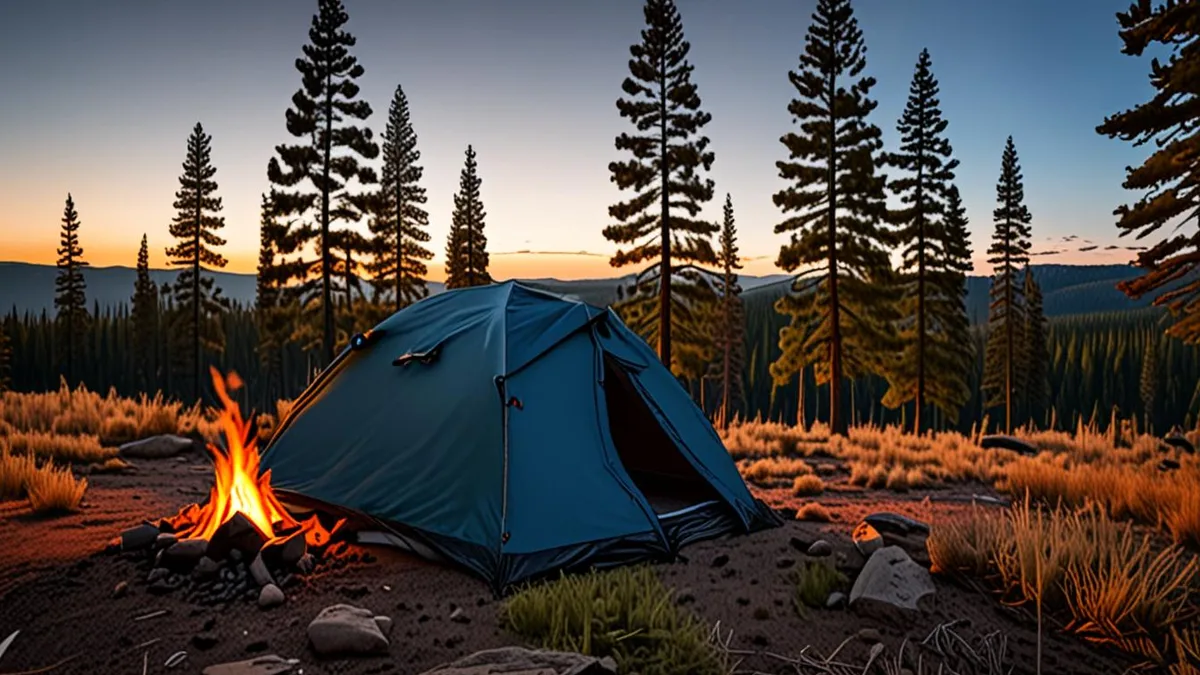
Comfort is where the two options diverge most sharply. Glamping units usually feature real beds with proper mattresses, heating and electricity, so cold nights are rarely an issue even when temperatures drop. Campers rely on sleeping bags and pads, and their comfort depends heavily on the weather and the quality of their gear. A cheap pad on a chilly, damp night can mean a rough morning, while a well-insulated setup in mild conditions can sleep surprisingly well.
Bathrooms follow the same pattern. Glamping sites commonly offer private or shared bathrooms with hot water, while many campsites only have pit toilets, so campers who want a hot shower need to pick their campground carefully or go without. Space also differs: glamping units typically sleep 2–4 guests, whereas family campsites often accommodate up to 6 people, which matters if you’re traveling with a bigger crew.
Beyond the headline features, a few practical details often decide how comfortable a night outdoors really feels:
- Lighting: Glamping units usually have electric lights, while campers depend on headlamps and lanterns, which makes everything from cooking to finding the toilet after dark more of a production.
- Noise and privacy: A furnished unit with solid walls blocks more sound and wind than a thin tent wall, so neighboring campers and passing weather feel less intrusive.
- Packing weight: Glamping means your car stays light, while a camping trip requires loading a tent, cooler, stove and bedding, which matters most if you’re traveling far or in a small vehicle.
- Weather recovery: If a storm rolls in, campers may need to re-stake guy lines or dry out gear, while glamping guests simply close the door and stay dry.
Skills, Effort and Time: Who Each Option Suits
Camping asks more of you before you even reach the fun part. At minimum, you need to know how to pitch a tent, build a fire that actually stays lit, and cook a decent meal on a portable stove. None of these skills are hard to learn, but fumbling with tent poles in the dark after a long drive is a real experience many first-timers know well. If you have never done any of this, a practice run in your backyard or a local park is worth the hour.
Glamping removes almost all of that effort. You arrive, drop your bag and walk into a furnished unit that is ready to use. There is no setup, no teardown and no cooking logistics unless you want them. The trade-off is that you give up some of the hands-on satisfaction that comes with doing it yourself.
Which traveler gets more out of each option?
Camping rewards self-sufficient travelers who enjoy the process as much as the destination. If chopping firewood, brewing coffee over a flame and waking up in a tent you pitched yourself sounds like the point of the trip, camping will feel rewarding rather than like work. Many experienced campers say the effort is part of the memory.
Families with very young children often find glamping a lower-effort introduction to the outdoors. A toddler who wakes up at 5 a.m. is far easier to manage in a heated room with a real bed than in a tent on a cold pad. Glamping lets you test whether your kids enjoy nature before you invest in a full camping setup.
When to Go and How Far Ahead to Book
In most temperate regions, both camping and glamping work best in the May–September window. Outside those months, cold nights and wet weather can turn either option into a test of endurance rather than a vacation, so timing matters as much as destination. Within that window, though, the two options behave very differently when it comes to booking, and knowing the difference can save you both money and disappointment.
Glamping sites have limited inventory, often just a handful of units on a property, and the most popular ones sell out early for summer weekends. Campsites, by contrast, are far more plentiful, which gives you more flexibility if you plan on shorter notice. That said, the best campsites in a popular park are rarely a sure thing either, so a rough plan beats no plan at all.
- Summer glamping weekends: book 3–6 months ahead, especially for well-known properties near lakes, national parks or coastlines, where single units can be gone within days of the calendar opening.
- Regular campsites: 1–2 months’ notice is often enough outside holiday weekends, though waterfront or view sites within a single campground can still fill faster than the rest.
- Holiday weekends: treat July 4th and Labor Day like glamping season and reserve as early as the booking window allows, since demand spikes across both options.
- Midweek stays: if your schedule allows a Tuesday or Wednesday night, both glamping units and prime campsites are noticeably easier to secure on short notice.
Shoulder-season trips in May or September are the sweet spot for value. Glamping rates tend to drop outside peak summer, and campgrounds are quieter, so you get the same scenery with fewer neighbors and less competition for showers and picnic tables. If your dates are flexible, shift the trip a week or two either side of the summer rush and you’ll often find better availability at both types of properties, plus a calmer atmosphere once you arrive.
How to Choose the Right Option for Your Trip
The right answer depends less on which option is objectively better and more on what this particular trip is for. A weekend escape, a family milestone and a solo budget trip each point to a different choice. Here is how to think it through.
If budget is the priority and you are happy investing in reusable gear upfront, camping is the clear winner. That equipment, bought once, serves you for years of trips and pays for itself quickly. If instead you are planning a milestone occasion, an anniversary or a first outdoor stay with kids in tow, glamping delivers the setting and the comfort without asking anyone to rough it.
- Group size: glamping units usually sleep 2–4 guests, so a couple or small family fits naturally, while a standard family campsite has room for a larger party of up to 6, making it the better pick for two families traveling together or a group of friends.
- Trip frequency: if you plan to camp several times a year, your gear investment spreads across many trips and camping becomes very cheap per outing; if this is a one-off experience, glamping avoids a garage full of equipment you may never use again.
- Effort budget: be honest about how much energy you want to spend on logistics like meal planning, packing and setup, because camping adds several hours of prep and pack-down to every trip.
- Comfort needs: travelers who sleep poorly on the ground or need reliable heating and a private bathroom should lean toward glamping regardless of price.
A useful compromise for undecided travelers is to try one night of each before committing to longer trips. That way you learn your own preferences with minimal risk on either side, and you can book a short test stay in the shoulder season when availability is easier to find.
Wrapping Up: Glamping or Camping for Your Next Trip
So which one is right for you? If your priority is keeping costs low and you enjoy the hands-on side of the outdoors, camping is hard to beat at $15–$60 per night. Just remember the upfront gear investment and the skills involved. If you’d rather arrive to a real bed, heating and a private bathroom, glamping delivers that comfort at $100–$400 per night.
Timing matters too: glamping units for the May–September season often need booking 3–6 months ahead, while campsites give you more flexibility. In the end, the right choice comes down to your budget, your group size and how much effort you want to put in. Whichever you pick, you still get your night under the open sky. Have a preference or a trip coming up? Leave a comment or share this article.