Booking an all-inclusive resort in Mexico sounds simple: pay once, eat and drink as much as you want, and relax. In practice, many travelers arrive at check-in unsure of what their rate actually covers, then get surprised by charges for spa treatments, premium wine or a catamaran excursion. The label “all-inclusive” hides more variation than most people expect, and the differences between brands and resort tiers can be significant.
This breakdown walks through exactly what a typical rate includes, from meals and drinks to pools and nightly shows, and where the line sits for premium dining, motorized water sports and off-site tours. We’ll also look at how resort tiers change the inclusions, how to match a property to your travel style, and when to book for the best value. By the end, you’ll know what to check before you pay and what to budget for once you arrive.
What an All-Inclusive Resort in Mexico Covers in the Base Rate
The base rate at an all-inclusive resort in Mexico is designed to cover your core vacation: a place to sleep, all your food and drink, and enough entertainment that you never need to leave the property. For most travelers, that means you can go days without pulling out your wallet, aside from tips and any optional extras you choose.
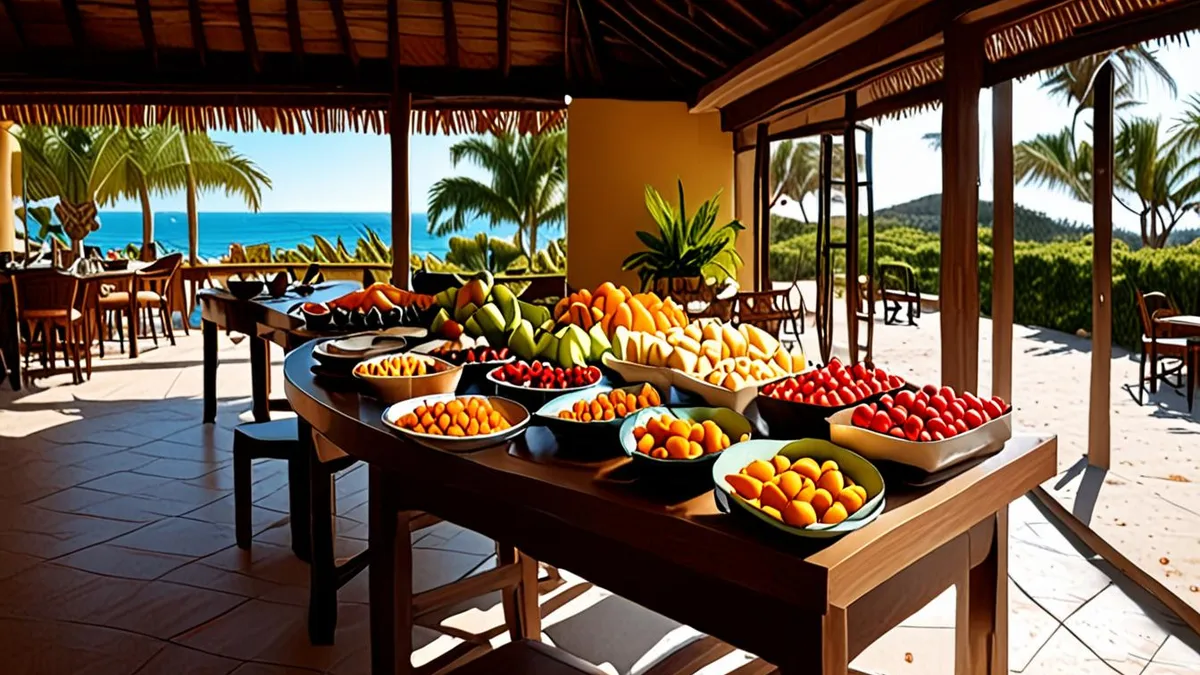
Food and drinks are the heart of the package. You’ll typically get three daily meals, plus snacks available at grills, cafés and poolside stands between mealtimes. On the drink side, domestic beer, cocktails made with local spirits, soda, juice and bottled water are all included and unlimited.
Beyond eating and drinking, your rate covers the resort’s main facilities and daily programming. Here’s what that usually looks like in practice:
- Pools and beach setup: loungers by the pool and on the sand, plus towel service, so you don’t need to pack your own.
- Daily activity programs: scheduled sessions like water aerobics, beach volleyball and games run by the entertainment staff throughout the day.
- Non-motorized water sports: most beachfront properties include kayaks, paddleboards and snorkeling gear, usually for scheduled sessions with a sign-up sheet.
- Evening entertainment: live shows, themed nights and performances in the main theater or plaza after dark.
- On-site nightlife: access to the resort’s own nightclub or disco, often with a DJ and dancing until late.
One practical tip: some included activities, especially snorkeling gear and paddleboards, require a deposit or a reservation slot, so check the activities board on your first morning rather than waiting until you’re ready to go.
Dining: What’s Included and What Counts as Premium
Dining is where all-inclusive resorts differ most from each other, and where fine print matters. The buffet is nearly always included with unlimited visits, and at most properties you can eat there for every meal if you want. Specialty à la carte restaurants, the Italian, Japanese or steakhouse venues, are also typically included, but they usually require reservations, sometimes made days ahead. Popular time slots fill up fast, so book your dinners as soon as you check in or use the resort’s app if it has one.
Premium items are the other common surprise. Lobster, wagyu beef, high-end wine lists and top-shelf liquor frequently carry surcharges, even at otherwise all-inclusive properties. If a menu lists prices next to certain dishes or a separate “premium” drinks menu exists, those are the items that will appear on your final bill. For a closer look at which properties go furthest with their culinary offerings, see this guide to all-inclusive resorts in Mexico with standout dining.
Room Service and In-Room Perks
Room service is a dividing line between tiers. Many upper-tier resorts include 24-hour room service in the base rate, while budget properties often limit it to set hours or exclude it entirely. The same goes for mini-bars refilled daily with beer, soda and water, and 24-hour snack lounges for late-night cravings.
Families should also pay attention to what’s bundled beyond food. Kids’ clubs, supervised activities and family-friendly amenities vary widely by resort tier, so check the inclusions list before booking rather than assuming they’re standard.
Common Extras That Are NOT Included in Your Rate
Even at a genuinely all-inclusive property, several common vacation expenses sit outside your rate. Knowing them in advance helps you budget realistically instead of facing a stack of charges at checkout. The biggest categories are wellness, motorized activities and anything that happens off the property.
Spa services are the classic example. Massages, facials, salon treatments and hydrotherapy circuits almost always cost extra, even at luxury resorts, and they’re often among the priciest items on your folio. If spa time is a priority for your trip, it’s worth comparing properties that bundle it in, like the ones covered in this overview of all-inclusive resorts in Mexico with the best spa services.
Water sports split down the motorized line: kayaks and paddleboards are typically included, while anything with an engine is not. Off-site activities are never covered, no matter the resort tier. Here’s a quick rundown of the usual extra costs:
- Motorized water sports: jet ski rentals, parasailing and scuba diving trips are run by outside operators or paid activity desks and billed separately, often per person and per session.
- Off-site excursions: day trips to cenotes, Mayan ruins or adventure parks require booking through the tour desk, and prices vary by operator, so compare a few before committing.
- Premium Wi-Fi tiers: basic internet is usually free, but faster or multi-device packages often carry a daily charge.
- Private cabanas and romantic dinners: reserved beach beds and sunset dinners on the sand are special-occasion add-ons with their own price tags.
- Photo packages: the resort’s photographers capture dinners, beach walks and shows, then sell the prints as a package at the end of your stay.
Finally, tips. Gratuities are often technically included in your rate, but staff at Mexican resorts work hard for them, and most guests budget around $10-20 per day to cover housekeeping, servers, bartenders and bell staff. Bring small bills in pesos or dollars so you can tip as you go.
How Resort Tiers Change What You Get
Not all all-inclusive rates are created equal, and the tier you book makes a bigger difference than most travelers expect. Budget and family-friendly properties, which typically run around $150-250 per person per night, cover the basics well: unlimited meals, domestic drinks and a full schedule of standard activities like pool games and evening shows. That’s often all a straightforward beach vacation needs.
What mid-range and luxury tiers add
Step up to mid-range and luxury properties, generally $300-600+ per person per night, and the inclusions expand noticeably. Expect premium and top-shelf liquor instead of well brands, à la carte dining without reservation limits or caps on visits, and in some cases butler service, upgraded minibars and better room amenities. Adults-only and luxury brands often throw in extras like hydrotherapy spa circuit access, golf rounds or resort credit packages, which can be worth a lot if you’d actually use them.
One thing to watch: marketing labels. “All-inclusive plus,” “unlimited-luxury” and similar branded terms mean different things at different chains, and none of them is a standardized industry category. Before booking, read the inclusions list line by line on the resort’s own website, and if you want help narrowing down options, our guide to Mexico’s most luxurious all-inclusive resorts breaks down what the top properties actually include.
Choosing the Right All-Inclusive Resort in Mexico for Your Travel Style
The best all-inclusive for you depends less on star ratings and more on how you travel. A honeymooning couple and a family with three kids under ten want completely different things from the same rate, so start with your travel style rather than the price.
For families and for couples
Families should prioritize resorts with dedicated kids’ clubs, water parks and genuine family suites rather than cramming everyone into a standard room. Look at the age ranges the kids’ club covers, whether there’s a shallow splash area for toddlers, and how many restaurants can handle a table of six without a two-hour wait. A resort that’s great for adults can feel cramped and quiet-starved for children.
Couples and honeymooners usually get more value from adults-only properties, where romantic inclusions like candlelit dinners, couples’ spa discounts and quieter pools are often built into the rate. You’re also not paying for kids’ facilities you’ll never use.
Destination matters too. Cancun and the Riviera Maya offer the widest selection of resorts at every tier, which makes comparison shopping easier. Los Cabos tends to suit luxury and wellness travelers, with a more dramatic desert-meets-ocean setting. Finally, check whether the resort’s included activities actually match your plans, whether that’s morning yoga classes, snorkeling off the beach or organized adventure sports. If the included activities don’t excite you, you’ll end up paying for extras anyway.
When to Book and How to Get the Most Value
Timing your booking well can save hundreds of dollars on the same room. For peak season travel from December to April, when prices are highest around Christmas, New Year and Easter week, book 3-6 months ahead to secure the best room categories and rates. Leave it later and you’ll often be choosing between leftover rooms at full price.
Traveling in value season
If your schedule is flexible, the value season from May to October can cut rates by 20-40% compared to peak months. The trade-off is hurricane risk from August to October, so consider travel insurance and keep an eye on forecasts if you book that window. Many travelers find the lower prices and thinner crowds well worth it in the early summer months.
However you book, compare the true cost rather than the headline rate. A $600 luxury rate that includes premium liquor, unlimited specialty dining and spa access can beat a $250 budget rate once you add $150 in daily extras like upgrades, tips and excursions. Do the math for your own habits before deciding a cheaper rate is a bargain.
Finally, watch for promotions: resort credit offers, kids-stay-free deals and airfare bundles appear regularly, especially outside peak weeks. Check current offers directly with the resort or your travel agent, since these promotions change often and aren’t always advertised prominently.
The Bottom Line on All-Inclusive Inclusions
So, what does your all-inclusive rate in Mexico actually cover? The base rate typically includes unlimited meals and snacks, domestic drinks, pool and beach access, non-motorized water sports and nightly entertainment. That covers the bulk of what most travelers use day to day, which is exactly why the model works so well for so many people.
The extras that show up on your final bill are usually the same across properties: spa treatments, off-site excursions, premium dining upgrades and motorized water sports. How much value you get from your rate comes down to three things: the resort tier you choose, the destination you pick and the season you travel in. If you’ve stayed at an all-inclusive in Mexico recently, share your experience or questions in the comments below.