Singapore is a small city, but its neighborhoods feel surprisingly distinct from one another. A night beside the glittering Marina Bay skyline is a completely different experience from a stay in the shophouses of Chinatown or the cafes of Kampong Glam. Pick the wrong base and you may end up paying premium rates for a location that does not suit your plans, or spending extra time and money commuting to the places you actually want to visit.
That is why this guide to where to stay in Singapore compares the city’s main areas side by side. We look at Marina Bay for the iconic waterfront, Orchard Road for shopping and mid-range comfort, Chinatown and the riverside for heritage, Little India and Kampong Glam for budget-friendly character, and Sentosa and the East Coast for families and slower-paced trips. We also cover when to book for the best rates and how to match your neighborhood to the length of your stay, so you can choose with confidence.
Marina Bay: The Iconic Waterfront Base
Marina Bay is the Singapore most first-time visitors picture before they arrive. Staying here puts the waterfront promenade, the Supertrees at Gardens by the Bay and the famous skyline at your doorstep, and many rooms look straight out over the bay. If your trip is short and you want the postcard views without any commuting, this is the area built for you.
What it costs
This convenience comes at a price. Marina Bay is the priciest zone in the city, with hotel rates typically ranging from SGD 250 to 500+ per night, and the top-end integrated resorts sit at the upper end of that range. If your budget stretches to it, the splendor is easiest to justify on a short trip of 2 to 3 nights, where location matters more than price.
Getting around from the bay
Within the bay area itself, everything is walkable: the gardens, the promenade and the mall complexes connect on foot. What the area lacks is cheap, characterful food at your door, so plan on a short MRT ride to reach the city’s food-heavy neighborhoods for dinner. For a first visit centered on the icons, though, few bases beat waking up to this view.
Orchard Road: Shopping and Mid-Range Comfort
Orchard Road is Singapore’s main shopping boulevard, a long stretch lined with malls from end to end and linked by underground walkways, so you can move between them without stepping into the heat. If retail therapy and air-conditioned comfort rank high on your list, this is the most convenient base in the city center.
Value compared to Marina Bay
The biggest reason to choose Orchard Road is price. Hotels here usually cost SGD 150 to 350 per night, which makes it a genuine value alternative to Marina Bay for comparable international chains. You trade the waterfront view for lower rates and often larger, more conventional rooms.
Who it suits
This area suits travelers focused on retail, dining malls and the reliability of comfortable international hotel brands rather than boutique charm. Transport is not a concern either: direct MRT access puts Marina Bay or Chinatown just a 10 to 15 minute train ride away, so you can still see the icons without paying bay-area rates. For shoppers and families who want a dependable mid-range base with easy access everywhere, Orchard Road hits a practical sweet spot.
Chinatown and the Riverside: Heritage With Central Access
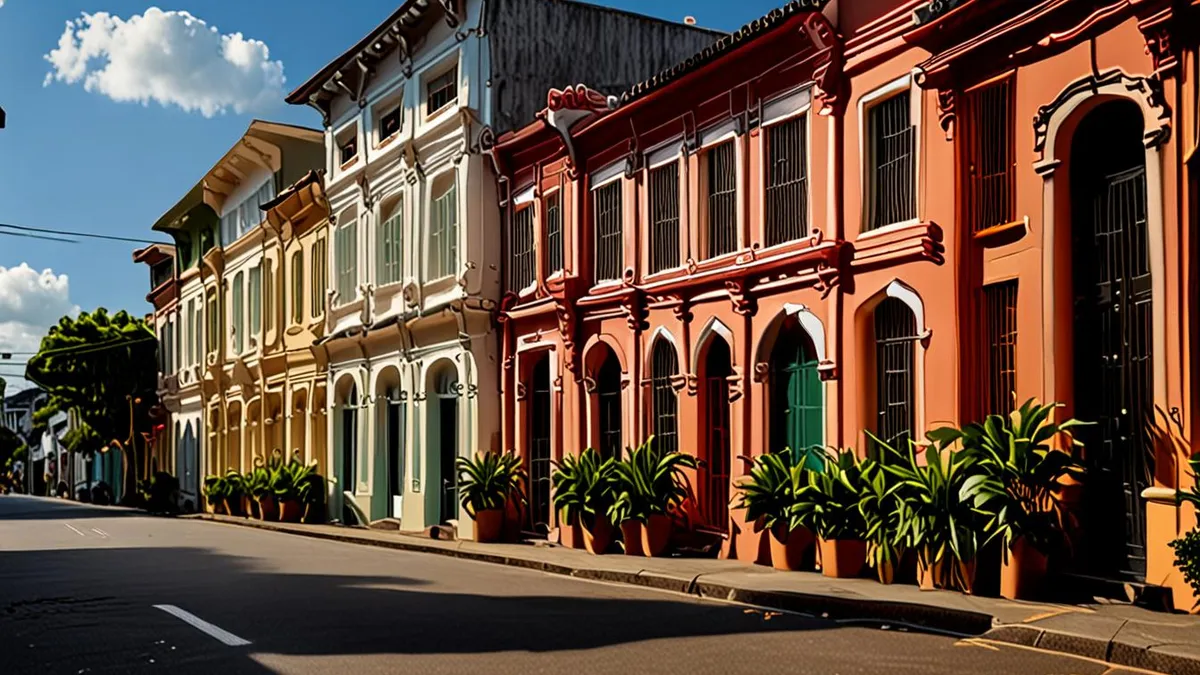
Chinatown and the riverside give you old Singapore in the middle of the city. The shophouse districts here are packed with hawker centers, temples and traditional trade streets, and the riverside quay sits within walking distance for an evening drink or dinner by the water. You get atmosphere that Marina Bay’s malls and towers cannot offer, without giving up a central location.
Location and access
Chinatown sits about 2 km southwest of Marina Bay, which means the icons are roughly a 20 to 25 minute walk away, or a short MRT hop if the heat wins. That proximity is the area’s key selling point: you stay in a heritage quarter yet remain firmly inside the city center, close enough to sightsee on foot in the cooler morning hours.
Where you’ll sleep
Accommodation is a good mix of boutique hotels in restored shophouses and straightforward mid-range options, typically costing SGD 120 to 250 per night. That puts it below Marina Bay and roughly level with, or slightly under, Orchard Road, while offering far more character.
This is the best pick for travelers who want street food and heritage on their doorstep without leaving the center. Step out of your hotel and you can eat your way through a hawker center, visit a temple and stroll to the river, all before hopping on the MRT to the bay.
Little India and Kampong Glam: Budget and Character
If the thought of spending SGD 250 or more a night makes you wince, Little India and Kampong Glam are where your budget breathes again. These are the most affordable central neighborhoods in Singapore, with stays typically running around SGD 80 to 200 per night. That range covers everything from simple hostel dorms to small boutique hotels in restored shophouses.
The two areas have distinct personalities. Kampong Glam centers on Arab Street and the lanes around it, where independent cafes, textile shops and colorful street art draw a steady crowd of photographers and coffee hunters. Little India, just to the north, is louder and livelier, with flower garland stalls, spice shops, markets and some of the city’s most atmospheric temples. Both feel genuinely local in a way the mall districts do not.
Neither neighborhood is remote. Both sit directly on MRT lines, putting you 10 to 20 minutes by train from Marina Bay and Orchard Road. Here is what each area does especially well:
- Kampong Glam for boutique character: many hotels here occupy narrow shophouses, so rooms tend to be small but full of personality, often with courtyard cafes downstairs.
- Little India for 24-hour food: the area’s hawker stalls and Indian restaurants keep long hours, making it one of the best bases in the city for late dinners.
- Hostel and guesthouse density: both neighborhoods have the highest concentration of dorm beds and budget guesthouses in central Singapore, ideal for solo travelers meeting people.
- Walkable temple and street art circuits: you can spend a morning on foot visiting temples, murals and markets without ever boarding a train.
Choose this pair if you are backpacking, staying a week or more, or simply care more about street food and culture than a rooftop pool. The trade-off is polish, not location.
Sentosa and the East Coast: Resorts, Beaches and Families
Not every Singapore trip needs to revolve around the downtown skyline. If you are traveling with kids or planning a stay of a week or longer, two areas outside the core deserve a serious look: Sentosa island and the East Coast neighborhoods of Katong and Joo Chiat. Both trade centrality for space, calm and often lower prices.
Sentosa for resort-style family trips
Sentosa is Singapore’s resort island, connected to the mainland by a short causeway, monorail and cable car. Families come for the theme parks, the beaches and the big resort hotels where you can park yourselves for days without leaving the property. The catch is the commute: getting into the city for sightseeing or dinner adds time and planning to every outing, so it works best when the island itself is the main attraction.
The East Coast for a local pace
Katong and Joo Chiat offer something quite different: a Peranakan neighborhood feel, with pastel shophouses, family-run eateries and quiet residential streets. Rates here tend to sit below what you would pay in the city center, and you get a glimpse of everyday Singaporean life rather than a tourist bubble. Expect roughly 20 to 30 minutes by MRT or car to reach downtown.
Both areas make the most sense on trips of 4 nights or more, where a slower pace justifies the distance from the icons. On a short first visit, you will likely regret spending your limited days in transit.
When to Book and How to Choose Where to Stay in Singapore
Singapore is a compact city, so choosing where to stay matters less than in sprawling destinations, but choosing when to book matters a lot. Hotel rates swing noticeably with the seasons, and the best rooms in popular neighborhoods sell out first. A little planning goes a long way, especially if you are visiting during the busy stretches of the calendar.
- Book 2 to 3 months ahead for high season. The busiest periods run roughly from November to January and June to August, when school holidays and festivals fill rooms. Early booking gives you the widest choice of hotels and the best chance at decent rates in areas like Marina Bay.
- Use the shoulder months to your advantage. Quieter months like April and September typically let you wait until 3 to 4 weeks before your trip, and you will often find better rates than high-season travelers pay for the same rooms.
- Match the neighborhood to your trip length. On a short stay of 2 or 3 nights, Marina Bay puts the icons at your door and maximizes every hour. For stays of 4 nights or more, the East Coast or Little India offer more space and lower rates that make the extra commute worthwhile.
- Check MRT proximity before you commit. A hotel within a 5 to 10 minute walk of a station saves you daily transport costs and time, since the MRT connects all the major neighborhoods across the island.
One final tip: once you have narrowed it down, compare the walking distance from the hotel entrance to the actual station exit, not just the station name. Some hotels advertise themselves as MRT-adjacent when the walk is longer than it looks on a booking site’s map. In Singapore’s heat and afternoon downpours, those extra 300 meters on foot are felt every single day of your trip, so it pays to verify before you book.
Wrapping Up Your Singapore Neighborhood Choice
Singapore is compact, but its neighborhoods feel completely different once you are inside them. Picking the wrong base can quietly add cost and commute time to your trip, so it pays to match the area to what you actually want. Marina Bay puts you next to the icons, Orchard Road gives you value in the center, and Chinatown delivers heritage with street food at your doorstep. Little India and Kampong Glam cover the budget end, while Sentosa and the East Coast suit families and slower trips.
Two final habits make a real difference. Book earlier for high-season dates, when rates climb and availability drops. And use MRT access as your final filter before you commit, because a station close by saves money and time every single day. If this helped you choose, leave a comment or share the article with a fellow traveler.