Santorini is a dream destination for a villa holiday, but picking the wrong month can turn that dream into a headache. Arrive in the wrong season and you might face shoulder-to-shoulder crowds in Oia, find your dream caldera villa closed for winter, or pay double the price for the exact same terrace and private pool. The best time to visit Santorini depends entirely on what you want from your stay, whether that is hot weather, lower rates or quiet mornings on your own terrace.
This guide breaks the year down for you. We compare peak-season July and August with the milder shoulder months of May-June and September-October, explain what happens on the island from November to March, and share practical advice on how far ahead to book and which village suits your travel month best. By the end, you will know exactly when to plan your villa stay and how to secure the right one.
Why Timing Matters for a Santorini Villa Stay
Timing shapes almost everything about a villa stay in Santorini. The same property that offers sparkling caldera views, a warm private pool and attentive hosts in June can be shuttered behind closed shutters in February, or booked solid and priced at a premium in August. Availability, views from your terrace and even whether you can actually use that pool all shift dramatically between peak and off-season.
Villas follow their own seasonal calendars
Unlike large hotels, which often stay open year-round, many private villas in Santorini operate on seasonal calendars. Owners frequently close their properties entirely from November to March, using the quiet months for maintenance, repainting and pool work. That means a winter search can return surprisingly few options, and the villas that do open may have limited services nearby, since many restaurants and tourist businesses close for the season too.
Pool access is another seasonal question. Outdoor pools on the caldera side are genuinely inviting in the warm months, but in cooler, windier weather they become more of a backdrop than a feature. If a heated pool matters to you, confirm it with the owner before booking rather than assuming.
What do you value most?
The best time to visit Santorini comes down to your priorities. If you want guaranteed heat, warm seas and a lively atmosphere, peak season delivers. If you prefer lower rates, softer light and quieter terraces, the shoulder months are hard to beat. And if solitude matters more than swimming, the off-season offers a very different, local side of the island. The rest of this guide walks through each option so you can match your travel month to your style of stay.
Peak Season: July and August at a Glance
July and August sit at the heart of Santorini’s peak season, and the island knows it. Temperatures often climb above 30°C, the sun is intense from morning to evening, and cruise ships arrive in the caldera almost daily, sending thousands of day visitors into Fira and Oia. The famous villages feel energetic rather than peaceful, and sunset spots fill up well before the sun actually sets.
What peak-season villa rates look like
Villa rates in July and August typically run 50-100% higher than in shoulder months. Premium caldera-view villas, the ones with infinity pools perched above the caldera, can command €400-800+ per night in August. That premium buys you the very best inventory, but it also means the same villa you admired in May may be out of reach two months later. If you have your heart set on a specific caldera villa in peak season, expect to book early and pay for it.
Who peak season suits best
Despite the crowds and the cost, July and August are the right choice for certain travelers. This is when the island runs at full capacity: nightlife is in full swing, beach clubs and restaurants are guaranteed to be open, and the sea sits at its warmest for swimming, around 23-25°C. If your ideal villa day involves swimming until late afternoon, then heading out for dinner, drinks and live music, peak season delivers exactly that.
Just plan around the crowds. Book sunset dinners well in advance, use your villa’s private terrace for the quiet hours, and schedule caldera walks for early morning before the day-trippers arrive. With those adjustments, a peak-season villa stay can be spectacular, as long as the higher rates and busier streets fit your budget and temperament.
The Shoulder-Season Sweet Spot: May-June and September-October
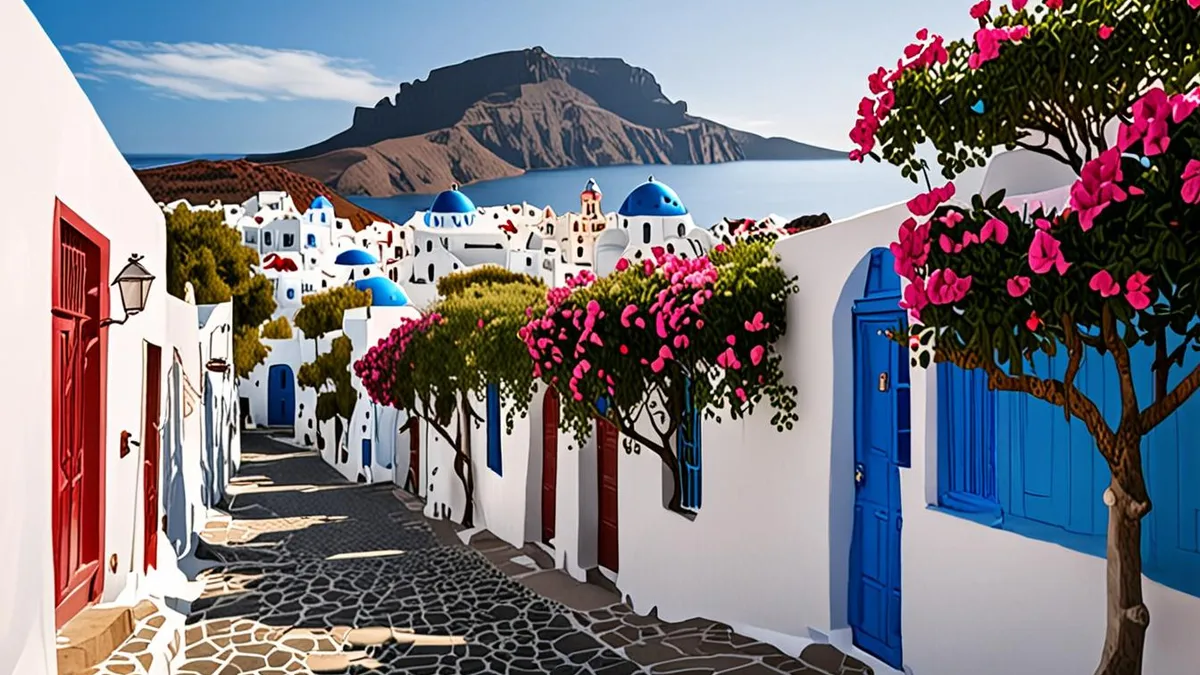
The shoulder-season sweet spots of May to mid-June and mid-September to October are when a villa stay in Santorini truly shines. Weather is mild, typically around 20-27°C, warm enough for lazy afternoons on the terrace without the punishing peak-season heat. Crowds thin out noticeably, and villa rates often settle into the €150-300 per night range, a fraction of what the same property commands in August.
The two windows each have their own character. September keeps the sea warm from the summer months, so swimming off your villa’s edge or at the beach remains genuinely pleasant. June, on the other hand, brings long daylight hours and a landscape still green and blooming from spring, which makes the caldera views especially photogenic.
For a private pool villa in particular, shoulder season strikes the ideal balance. Terraces are quieter, the famous photo spots in Oia and Imerovigli are easier to capture without a crowd in frame, and hosts have more time to give you relaxed, personal attention. If you want to understand what a private pool villa experience actually involves day to day, this guide on what to expect when staying in a private pool villa in Bali covers many of the same comforts and considerations that apply here.
A few practical points worth knowing before you pick your shoulder-season month:
- May can still bring cool evenings. Pack a light layer for dinners on the terrace, as caldera breezes stay brisk after sunset even on warm days.
- Mid-September is the swimming sweet spot. The sea retains its summer warmth while the peak-season crowds have largely gone home, making it the best single month for pool-and-beach combinations.
- Shoulder months offer more flexible bookings. With less pressure on inventory, you can often secure villas closer to your travel date and choose cancellation terms that suit you.
- Light is better for photography. The softer autumn and spring sun makes caldera sunsets and white-washed village shots easier to capture than the harsh midsummer glare.
If your priorities are comfort, value and calm, the shoulder season is the window to aim for. You keep the views, the pool and the sunshine, and lose most of the crowds and the premium pricing.
Winter and Off-Season: What to Expect from November to March
Winter is the one season when Santorini stops being a villa destination. From November to March, many private villas shut down entirely, along with a large share of restaurants, tours and tourist services around the caldera. Even villas that technically stay available often cut back on housekeeping, pool maintenance and host support, which can take much of the polish out of a self-catered stay.
The weather plays its part too. Winter days tend to be cool, wet and windy, and the meltemi-style gusts that sweep the caldera can make terraces genuinely uncomfortable. A private heated pool loses its appeal when the air temperature hovers in the teens, and sunbathing on a caldera-edge deck is rarely on the agenda. Shorter days also mean you’ll see far fewer of those famous golden-hour views the island is known for.
Who winter might still suit
There is a case for visiting in the off-season, but it’s a narrow one. If you want to experience Santorini as a living island rather than a resort, winter delivers: locals go about their routines, tavernas in the inland villages stay open for residents, and the famous viewpoints are nearly empty. Photographers who enjoy moody skies and dramatic clouds can also find it rewarding.
For a villa holiday specifically, though, winter is hard to recommend. Between closed properties, reduced services and unpredictable weather, you’re paying for amenities you may not be able to use. If a private pool and sunset terrace are the reason you chose Santorini, the shoulder-season months of May to mid-June or mid-September to October will serve you far better. If you do consider a winter trip, confirm directly with the villa owner or manager that the property is fully operational, and check which restaurants and services near your chosen area remain open.
How Far in Advance to Book Your Villa
Villa timing on Santorini is not just about when you travel, but when you click “book.” The best caldera-view properties are limited in number, and the most sought-after ones fill up long before summer arrives. A little forward planning makes the difference between securing your first-choice villa and settling for whatever is left. Here is a simple timeline to follow.
- For July and August, book 6-9 months ahead. These are the peak weeks when the top caldera-view villas are often fully committed by spring. Reserving early gives you the widest choice of views, pool setups and layouts, and it usually means better rates too.
- For May-June and September-October, aim for 3-4 months in advance. Shoulder-season demand is gentler, so you can usually book later and still find excellent options. Booking in this window also tends to come with more flexible cancellation choices, which is handy if your plans are not fixed yet.
- Lock in rates before the seasonal surge. Owners and managers typically raise prices as availability shrinks, and private pool villas are often the first to climb. Booking earlier pins down a lower rate before the summer price wave hits.
If you like comparing booking strategies across destinations, the same early-booking logic applies elsewhere in the Mediterranean and beyond — it is a pattern we also break down in our guide to when to book a villa in Bali for the best rates and weather. Wherever you are headed, the rule of thumb holds: the more exclusive the property, the earlier you should commit. Check cancellation terms carefully before paying a deposit, since villa owners often have stricter policies than hotels.
Choosing the Right Villa Area for Your Travel Month
Santorini is small, but where you base your villa changes your experience dramatically depending on the month you travel. The caldera villages deliver those famous cliff-edge views, while the beach side offers a more laid-back, sand-between-your-toes stay. Matching the area to your travel month is one of the easiest ways to get your timing right, because some villages feel completely different once the season shifts. A terrace that feels romantic in June can feel exposed on a windy October evening, while a beachside base that seems sleepy in spring comes fully alive at the height of summer.
Oia and Imerovigli are the classic caldera choices, and they shine brightest in peak season. That is when the premium you pay for a sunset-facing terrace feels justified by the long, lively evenings and everything being open around you. Fira, the island’s main town, is the practical all-rounder, with banks, pharmacies, shops and a good share of restaurants that keep operating deeper into the shoulder months. Perissa and Kamari, on the beach side, are seasonal by nature — their black-sand beach scene comes alive when the weather does, and quietens down noticeably outside the warm months.
- Oia: expect the island’s most photographed sunset views, plus boutique shopping and fine dining steps from your villa door — at the highest nightly rates on the island.
- Imerovigli: a quieter caldera village between Fira and Oia, popular with travelers who want the same views with more privacy and a shorter walk to Fira’s services.
- Fira: the island’s transport and business hub, with the main bus station and a port connection, making it the easiest base if you plan day trips or arrive outside peak months.
- Perissa: a long black-sand beach with beach bars, sunbeds and water sports that operate through the warm months, plus a more relaxed, family-friendly pace than the caldera side.
- Kamari: a beach resort with a promenade lined with tavernas and an open-air cinema, and quick access to the airport side of the island.
Wrapping Up Your Santorini Villa Timing
Santorini is a dream villa destination, but picking the wrong month can mean crowds, closed caldera villas or paying double the price. The short answer: the weeks just before and after the summer rush give you the best mix of weather, rates and calm, with mild temperatures around 20-27°C and villa stays often in the €150-300 per night range instead of the €400-800+ you can face in August.
Peak season still has its place. If you want heat, buzzing nightlife and warm 23-25°C seas for swimming, July and August deliver all three, as long as you accept higher rates and book 6-9 months ahead. Shoulder-season travelers can usually secure their villa 3-4 months in advance with more flexibility. Whichever month you choose, locking in your dates early is what gets you the view and the price you want. Have a favorite time to visit Santorini? Share it in the comments or pass this article along to a friend planning their own villa escape.