You arrive at the lodge after a long flight, the safari is booked and paid for, and then the checkout bill shows a line you never consciously agreed to: a conservation fee, charged per person, per night. If your first reaction is to wonder whether this is a sneaky upsell dressed up in green language, you are not alone. It is one of the most common sources of confusion on safari invoices.
The good news is that conservation fees at lodges are usually a legitimate and important charge, not a hidden extra. But that does not mean you should accept them blindly. In this guide we explain what these fees actually are, what your money funds, where the fee shows up on your bill, and how it differs from park entry fees. We also cover how to compare fees before you book, whether they are worth paying, and the key takeaways to keep in mind for your next trip.
What Are Conservation Fees at Lodges?
A conservation fee is a daily, per-person charge added on top of your room rate. Its purpose is straightforward: the money funds the protection of the reserve or park your lodge sits in or borders. Think of it as a direct contribution to keeping the wildlife and habitat intact, rather than a generic hotel surcharge.
At safari lodges across East and Southern Africa, this has become standard practice. Fees typically range from about USD 10 to USD 50 per person per night, depending on the reserve, the country and the level of the lodge. A small camp on the edge of a community conservancy may charge at the lower end, while a private concession in a prime Big Five area often charges more.
Not the same as other charges
One reason travelers get confused is that conservation fees are distinct from park entry fees, tourism levies and service charges, yet bills often group them together on a single invoice. A park entry fee is paid to a state-managed authority for access, while a tourism levy or service charge goes elsewhere entirely. Knowing which is which makes it much easier to check whether your final bill makes sense, and it helps you compare lodges on a like-for-like basis.
What Your Money Actually Funds
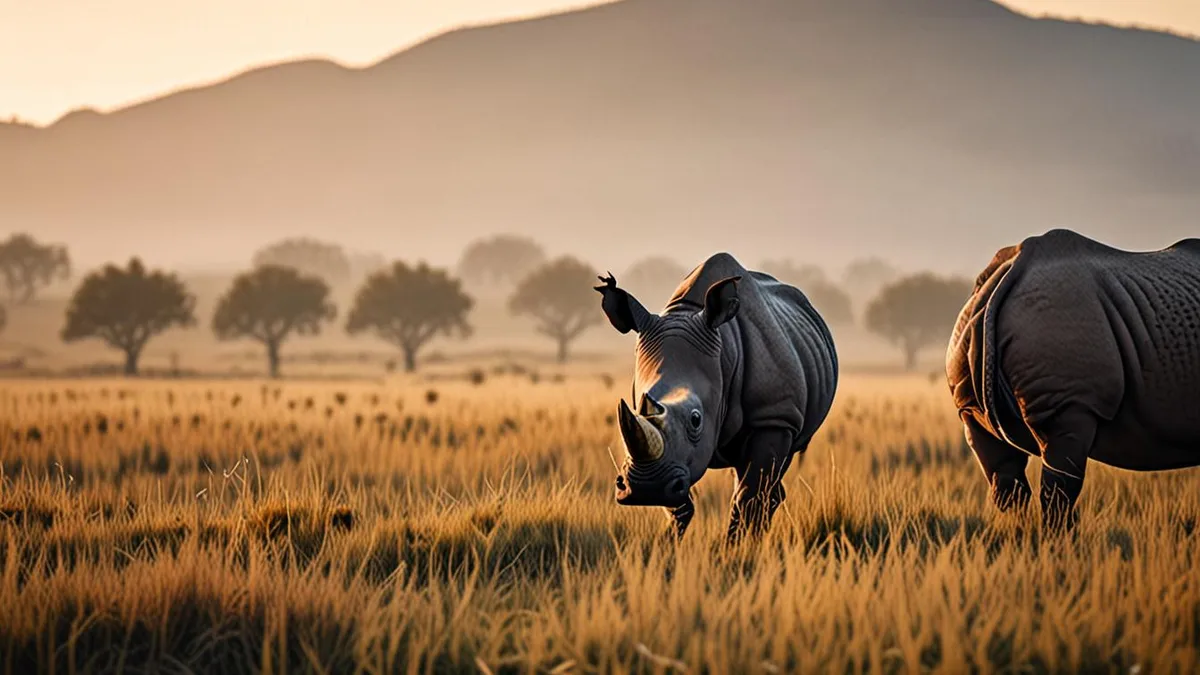
So where does the money actually go? In well-run reserves, the conservation fee is not a vague goodwill gesture but the operating budget for a range of on-the-ground work. The biggest slice usually goes to anti-poaching: salaries and provisions for ranger patrols, vehicles, fuel, radios, tracking equipment and sometimes aircraft or drone support. Without this funding, patrols in remote corners of a reserve simply could not happen at the required frequency.
The rest is spread across habitat management, research and community programs. The exact split varies from reserve to reserve, which is why some lodges publish an annual breakdown of how fee revenue is used. Here are the main categories you are typically supporting:
- Anti-poaching operations — daily ranger patrols on foot and by vehicle, plus the kit that keeps them effective, from two-way radios and GPS units to night-vision gear and vehicle maintenance.
- Habitat management — practical work like maintaining the road network used for game drives, controlling erosion along drainage lines, and carrying out controlled burns that keep grasslands healthy for grazers.
- Wildlife research and monitoring — tracking collars on key species such as lions, elephants and wild dogs, camera-trap surveys, and population counts that guide management decisions.
- Community programs — environmental education at nearby schools, support for local employment at the lodge itself, and projects that give surrounding villages a stake in keeping wildlife alive.
The community element matters more than many travelers realize. When people living around a reserve benefit from tourism through jobs and education, pressure on the land and its animals tends to drop. Your fee helps fund that relationship.
Where the Fee Appears on Your Bill
On most quotations, the conservation fee is easy to spot if you know where to look. Lodges typically state it as a separate per-person, per-night line item, listed just below the accommodation rate. So if a quote shows a nightly rate for the room and then an additional amount multiplied by the number of guests and nights, that is usually the conservation levy at work.
Bundled or added at checkout?
Private reserves often handle things differently. Instead of charging the fee separately, many bundle it into the nightly rate, particularly at all-inclusive properties. That means the headline price already contains the levy, and there is nothing extra to pay on site. The catch is that you cannot tell from the outside which approach a lodge uses, so it pays to ask directly whether the quoted rate is fully inclusive or whether a conservation fee will be added later. This matters even more when you are working through a full breakdown of what a safari lodge stay really costs, since small per-night charges add up over a week-long trip.
How children are charged
Conservation fees are calculated per adult, and children usually pay a reduced levy, often roughly 30-50% of the adult rate. Many lodges also have age thresholds below which children are not charged at all, but these rules vary, so confirm the details for your own family when you book rather than assuming the fee simply doubles for a couple traveling with kids.
Conservation Fees vs Park Entry Fees
The easiest way to understand the difference is to ask who receives the money. Park entry fees go to the state-managed park authority, the government body that maintains the public roads, gates and infrastructure inside the national park itself. You pay this fee for the right to enter and drive through the park, whether you sleep in a tent, a lodge or a day-visitor car park.
Conservation fees work differently. They go to the lodge or the private reserve itself, and they apply even inside private concessions where no state park authority is involved. This is the money that funds the reserve’s own rangers, fences, habitat work and monitoring projects, so it applies on top of any government charges rather than replacing them.
When you may pay both
Location matters here. If you stay at a lodge adjacent to Kruger National Park, for example on a private reserve along its boundary, you can easily end up paying both charges: the lodge’s conservation fee for the private land, plus the park authority’s entry fee if your itinerary includes game drives inside the park itself. On the park side, daily levies commonly fall in the USD 10-25 range per adult, though rates change regularly, so check the current figures before you travel. If you are weighing up lodges around Kruger, our guide on the best time to book a lodge stay in Kruger National Park covers how rates and availability shift through the year.
How to Compare Fees Before You Book
Conservation fees can quietly add a meaningful amount to a multi-night stay, so it pays to understand exactly what you are being quoted before you confirm a booking. A lodge that looks cheaper at first glance may not be once levies are added at checkout. A few simple questions will give you a clear, honest comparison.
- Ask whether the rate is fully inclusive. When you request a quote, ask directly whether the price covers all levies or whether conservation fees and other charges are added when you check out. Get the answer in writing, ideally in the quotation itself, so there are no surprises on your final bill. Some lodges bundle everything into one nightly rate, while others list levies separately, so the wording matters.
- Compare total nightly costs, not headline rates. When weighing two or three lodges, add each per-person fee to the room rate and compare those totals across your whole stay. On a week-long trip for a family, a seemingly small daily charge multiplies quickly, and a lodge with a higher headline rate but levies included can easily work out cheaper overall.
- Check how the fee revenue is used. Look at the lodge’s website or ask whether they publish a report or breakdown showing where conservation contributions go. Lodges that can point to specific ranger patrols, research projects or community programs give you confidence the money is doing real work on the ground.
Spending twenty minutes on these steps before booking protects your budget and, just as importantly, helps you choose a lodge that handles conservation money responsibly. Well-run reserves are usually proud to explain exactly how their fees are spent, and a vague answer to a direct question is itself useful information when you are deciding where to stay.
Are Conservation Fees Worth Paying?
It is fair to ask whether conservation fees are simply another way to pad the bill. In practice, the daily contribution is modest next to safari lodge rates, which often run to several hundred dollars or more per night. Yet that small amount funds core wildlife protection work: ranger patrols, vehicles, habitat management and monitoring of key species. Set against the total cost of a safari, it is rarely the line item that decides whether a trip is affordable.
Look for transparency
The strongest signal of a worthwhile fee is transparency. Lodges that publish a report or breakdown showing where fee revenue goes tend to reinvest in rangers, research and community programs rather than letting the money disappear into general operations. If a lodge can name its projects, describe its results and explain how the levy connects to them, the fee is doing what it promises. If staff cannot tell you what the money supports, that is worth noting before you book.
The bigger picture
There is also a simple logic to the whole arrangement. The wildlife, the landscapes and the game drives you came for only exist because someone pays to protect them. Rangers, fences, research and community education are what keep an ecosystem healthy enough to support a safari in the first place. Paying the fee means you are contributing to the very thing that makes your trip possible, and helping ensure it is still there for the next traveler.
Key Takeaways on Lodge Conservation Fees
That conservation fee line on your bill is not a hidden upsell. It is a standard charge at most African safari lodges, and the money goes directly toward the anti-poaching patrols, habitat management, research and community programs that keep the reserve you are visiting healthy. Without it, the wildlife you came all this way to see would be far harder to protect.
The main thing to remember is how it appears on your paperwork. Some lodges list it as a separate line item on the quotation, while private reserves often fold it into the nightly rate instead of charging it on its own. Always confirm which system applies before booking, and compare the total cost including levies rather than headline room rates to get a true picture of what a stay actually costs. If this helped clear things up, leave a comment or share the article with a fellow traveler planning their first safari.