Every traveler has seen it: a lodge website plastered with words like “eco-friendly,” “green” and “sustainable,” but with nothing behind them to back it up. Some eco lodges genuinely run on solar power, recycle their water and employ people from the village next door. Others simply hang a “green” sign over business as usual, and it can be hard to tell the difference before you book.
This guide cuts through the noise. We explain what an eco lodge actually is, which third-party certifications give the label real meaning, and how to spot greenwashing before it costs you money. You will also learn what a genuine eco stay typically costs, how to choose one that fits your trip, and what your role is once you arrive. By the end, you will know exactly which questions to ask and which claims to trust.
What Is an Eco Lodge?
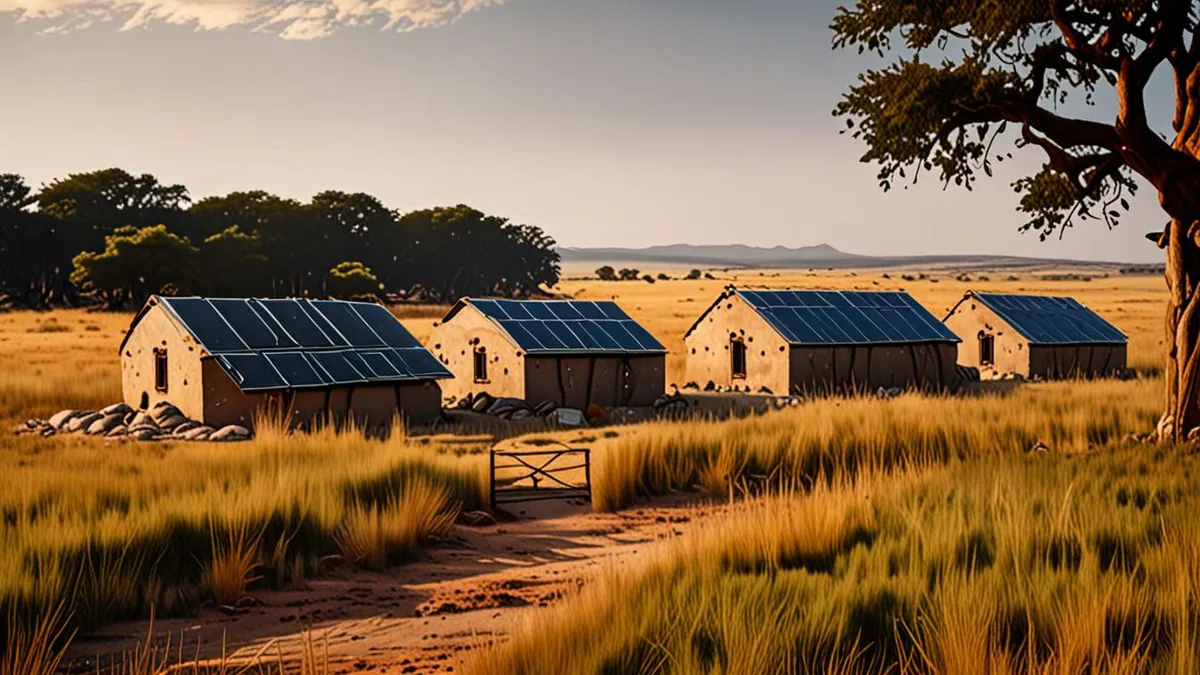
An eco lodge is accommodation designed from the ground up to minimize its environmental impact through how it handles energy, water and waste. That is more than a recycling bin in the lobby. A genuine eco lodge treats its infrastructure as part of the guest experience: power often comes from solar panels or other renewables, greywater from showers and sinks gets filtered and reused, and waste is sorted, composted or removed responsibly rather than burned or buried on site.
Core features you can look for
The most convincing eco lodges share a few practical traits. They typically source a large share of their energy from solar or other renewables. They use water-saving systems that commonly cut consumption by 30-50% compared with conventional lodges, through low-flow fixtures, rainwater collection or treatment and reuse. Construction relies on local materials such as stone, timber or bamboo, often built with low-impact techniques that avoid heavy concrete footprints and blend into the landscape instead of clearing it.
So how do eco lodges differ from standard lodges beyond marketing language? A conventional lodge buys its power from the grid, pipes water in and out, and ships food and furniture from far away. An eco lodge makes different engineering and sourcing choices that you can often see and measure: where the electricity comes from, what happens to the shower water, who built the rooms and where the food on your plate was grown. If a lodge cannot answer those questions with specifics, the label is probably just decoration.
Certifications That Give the Eco Label Meaning
Anyone can print a leaf logo. What separates a genuine eco lodge from a clever one is third-party certification, where an independent body audits the property against published standards. Some of the best-known schemes include Green Globe, labels accredited or recognized by the Global Sustainable Tourism Council (GSTC), and the Rainforest Alliance. Each of these involves annual audits, so a certified lodge has to keep performing, not just pass a one-time inspection.
What the audits actually check
An annual audit is not a quick walk-through. Auditors look at measurable performance across energy, waste, water and community impact. On the energy side, they verify where power comes from and how consumption is tracked. For water and waste, they check whether the lodge has treatment, reuse and reduction systems that actually work. Community impact covers hiring practices, sourcing and whether the lodge contributes to the local economy. Notably, locally sourced menus and staff from nearby communities are core criteria in most certification standards, not optional extras.
Why a logo alone is not enough
Even a real-looking certificate can be misused, so treat any logo as a claim to verify rather than proof. Certification logos should be verifiable on the certifier’s own website, not just displayed on the lodge’s site. Before booking, find the certifier’s public directory or member list and search for the property by name. If the lodge claims a certification you cannot find on the certifier’s site, email the certifier directly or ask the lodge for its current certificate. A legitimate property will answer quickly and happily; hesitation is its own answer.
Greenwashing: How to Spot a Fake Eco Lodge
Greenwashing works because it costs nothing. Slapping “eco-friendly” or “green” on a website requires no audit, no evidence and no accountability, which is exactly why vague buzzwords with no certification or supporting detail should make you pause. Genuine eco lodges talk in specifics: kilowatts of solar, liters saved, percentages of staff hired locally. Greenwashers talk in feelings.
The red flags tend to cluster. A lodge with no published sustainability policy is asking you to take its word for everything. A property with no measurable targets has nothing to be held to, so there is no way to know if it is improving. And operations tell the truth even when websites do not: a lodge handing out single-use plastic bottles, straws and packaging at every turn is not running the systems that real eco lodges depend on.
Questions to email before booking
A short, polite email sorts genuine properties from pretenders fast. Ask these three questions:
- Where does your energy come from? Genuine eco lodges can usually state what share of their power comes from solar or other renewables, and many source a large majority of it that way.
- How do you handle waste and wastewater? Look for a concrete answer about sorting, composting, treatment or reuse systems, not a generic promise to “care for the environment.”
- What share of your staff comes from nearby communities? Local hiring is a core criterion in most certification standards, so a real eco lodge will know its number and be proud to share it.
How quickly and specifically a lodge answers is often as revealing as the answers themselves. Vague, slow or evasive replies are a signal to keep looking.
What Staying at an Eco Lodge Actually Costs
If you have compared prices, you have probably noticed that genuine eco lodges often cost 10-30% more than a comparable conventional lodge. That premium is rarely arbitrary. Running a lodge on solar panels and battery banks, treating greywater on site, and hauling out or composting waste in a remote location all require serious infrastructure and ongoing maintenance.
The question is what that extra money actually buys. A legitimate premium covers tangible systems: renewable energy capacity, water treatment and recycling, waste management, and fair wages for local staff. Marketing alone does not. If a lodge charges an eco premium but the only green feature is a card asking you to reuse towels, you are paying for a slogan, not infrastructure.
How to tell real value from a green markup
Ask the lodge to explain where the surcharge goes. Properties with genuine systems can usually describe their setup in specific terms, such as the share of energy drawn from renewables or how wastewater is handled. Vague answers about being “deeply committed to nature” deserve skepticism.
There are also ways to experience an eco stay without paying top-tier rates. Smaller, family-run eco lodges often cost less than flagship properties while operating with the same principles. Traveling in shoulder season, booking simple rooms rather than suites, and staying longer in one place rather than hopping between lodges all reduce the per-night cost. The same logic applies to other high-end accommodation types, as we explain in what you really pay for at a safari lodge. A modest eco lodge with working systems beats a luxurious one with a green sticker every time.
How to Choose a Genuine Eco Lodge for Your Trip
Choosing a genuine eco lodge is mostly a research exercise, and it does not take long once you know where to look. The goal is to match a lodge’s credentials to both your destination and the way you like to travel, then confirm that the green claims hold up. A little preparation here saves disappointment later, because the gap between a lodge with real solar arrays, water treatment and community programs and one with a leafy logo on its homepage can be enormous. The good news is that most of the checking can be done from your sofa, in under an hour, using the lodge’s own website, the certifier’s site and a handful of honest guest reviews. Here is a practical sequence to follow before you book.
- Define your priorities first. A remote rainforest lodge lives or dies by its energy and waste systems, while a lodge near a village matters most for its community impact. Decide which issues matter most for your trip so you can judge credentials in context rather than expecting perfection everywhere.
- Verify any certification. If a lodge displays a logo from a scheme like Green Globe or a GSTC-recognized label, check that it appears on the certifier’s own website. Logos should be verifiable independently, not just on the lodge’s booking page.
- Read reviews with sustainability in mind. Search guest reviews for words like solar, water, waste, staff and community. Comments from past guests often reveal whether systems actually work day to day, or whether the hot water runs out by mid-morning.
- Assess the location’s impact. Look at where the lodge sits and how it was built. Properties that use local materials, employ nearby residents and protect the land around them create far more benefit than those that simply occupy a scenic spot.
- Weigh eco priorities against practical needs. A lodge with impeccable credentials is no good if it is a five-hour drive from the activities you came for, or if it offers no options for your dietary needs. The right choice balances both.
This process works for any lodge-based trip, and much of it overlaps with the advice in our practical guide to choosing a safari lodge. The same logic applies whether you are heading to a savanna, a jungle or a coastline: define what matters, verify the claims, then cross-check them against the experiences of people who have already stayed. Take an hour with the lodge’s website, its certifier and a few honest reviews, and you will book with far more confidence.
Your Role as a Guest at an Eco Lodge
Staying at an eco lodge is a partnership, not a passive purchase. The systems that make the lodge sustainable, from solar arrays to water treatment, only work if guests cooperate with them. That usually means accepting a few small limits on comfort, and understanding why they exist in the first place.
Water and energy are the two big ones. Many eco lodges run on limited solar capacity and stored rainwater, so hot water may only be available during certain hours and pressure may be lower than at a city hotel. A shorter shower is not a sacrifice so much as a direct contribution to the lodge’s ability to keep operating responsibly. Similarly, switching off lights and fans when you leave your room eases the load on the solar system.
Your impact goes beyond utilities, though. The choices you make about guides, food and souvenirs shape how much the surrounding community benefits from your visit. A few specific habits make a real difference:
- Book excursions with guides the lodge employs from nearby communities, since their training and wages are often a core part of the lodge’s social program.
- Buy crafts directly from local makers the lodge partners with, rather than mass-produced souvenirs imported from elsewhere.
- Eat the local menu when it is offered, because locally sourced food is a certification criterion for many eco lodges and supports area farmers.
- Ask staff questions about the lodge’s systems, which shows management that guests value these efforts and notices the work behind them.
Finally, leave feedback that rewards the real thing. In your review, name the practices you appreciated, such as the refillable water stations, the community-led tours or the composting system. Specific praise helps genuine lodges stand out in search results and booking platforms, and it tells other travelers what to look for. It also signals to owners that sustainability is worth investing in, which is how the whole industry improves.
The Bottom Line on Eco Lodges
Plenty of lodges call themselves eco, but the word alone proves nothing. What separates genuine eco lodges from greenwashed marketing is third-party certification with annual audits and verifiable practices you can check on the certifier’s own website. Real sustainability shows up in the infrastructure: renewable energy, water-saving systems and a measurable benefit to the nearby community.
The good news is that you don’t need to be an expert to tell the difference. A few pre-booking questions about energy sources, waste handling and local staffing will quickly reveal whether a lodge’s eco label means something or is just decoration. Ask, verify, and book with confidence. If this guide helped you sort genuine eco lodges from the fakes, leave a comment or share it with a fellow traveler.