Many first-time safari guests book a beautiful lodge without really knowing what happens on a game drive. What time does someone knock on your door? What can you bring on the vehicle? And what are you actually paying for when the daily rate mentions two outings per day?
This guide walks you through the whole experience, step by step. We explain what a game drive is and how the vehicle works, break down the typical daily schedule from wake-up knock to sundowner, and cover the best times of day and season for wildlife sightings. You’ll also find the difference between shared and private drives, the etiquette rules that keep everyone safe, and simple ways to prepare before your first outing. By the end, you’ll know exactly what to expect the moment that ranger pulls up in the dark with coffee in hand.
What Is a Game Drive at a Safari Lodge?
A game drive is a guided wildlife outing in an open 4×4 vehicle, led by a professional ranger and, at many lodges, joined by a local tracker seated on a perch at the front of the vehicle. The tracker reads the sand and dust for fresh footprints, broken twigs and other signs, while the ranger drives, communicates with other vehicles over the radio and interprets everything you encounter.
Drives follow dirt roads and tracks through the lodge’s own concession or a nearby reserve, typically covering 20-40 kilometers per outing. The route is never fixed. Rangers adjust it daily based on recent sightings, water levels and the season, so no two drives follow exactly the same path.
More Than Just Ticking Off the Big Five
While the goal is finding animals, a good game drive is about far more than the headline species. Your ranger will stop to interpret a set of tracks pressed into the mud, explain how a termite mound works, point out a brightly colored bird you would never have noticed, and describe how grasses, trees and rainfall shape the ecosystem around you. Many guests say these smaller moments end up being the most memorable part of their stay, so treat every stop as part of the experience rather than a delay on the way to the next big sighting.
The Daily Game Drive Schedule
Most lodges run two game drives daily, and the rhythm of the day is built around them. Morning drives depart around 05:30-06:00, which means an early wake-up knock at your door, usually 30 minutes or so before departure. Light refreshments such as coffee, tea and rusks or pastries are served before you climb aboard, so you head out with something warm in your hands rather than on an empty stomach.
Afternoon drives leave roughly 15:30-16:30, giving you time for lunch and a rest during the hottest hours. These outings end with a sundowner stop at sunset, when drinks are poured at a scenic spot and the day’s sightings are relived. Each outing lasts 3-4 hours in total, including a break for coffee in the morning or drinks at dusk.
Night Drives: A Different World After Dark
Some lodges, especially those in private concessions where night driving is permitted, offer an additional outing after dinner. These drives usually depart around 19:00-20:00 and use spotlights to find nocturnal species. Expect a completely different cast of animals from the daytime drives:
- Spotlight etiquette matters: the tracker sweeps a powerful light for eyeshine, and red filters are often used on some animals to reduce disturbance, so never ask for the light to be shone directly at an animal’s eyes.
- Nocturnal species come out: bushbabies, genets, civets, porcupines and owls are far easier to find at night, and predators such as lions or leopards may be spotted on the move after dark.
- Dress even warmer: temperatures drop quickly once the sun is down, so bring an extra layer beyond what you wore on the afternoon drive.
What You’ll See and When: Timing Your Game Drives
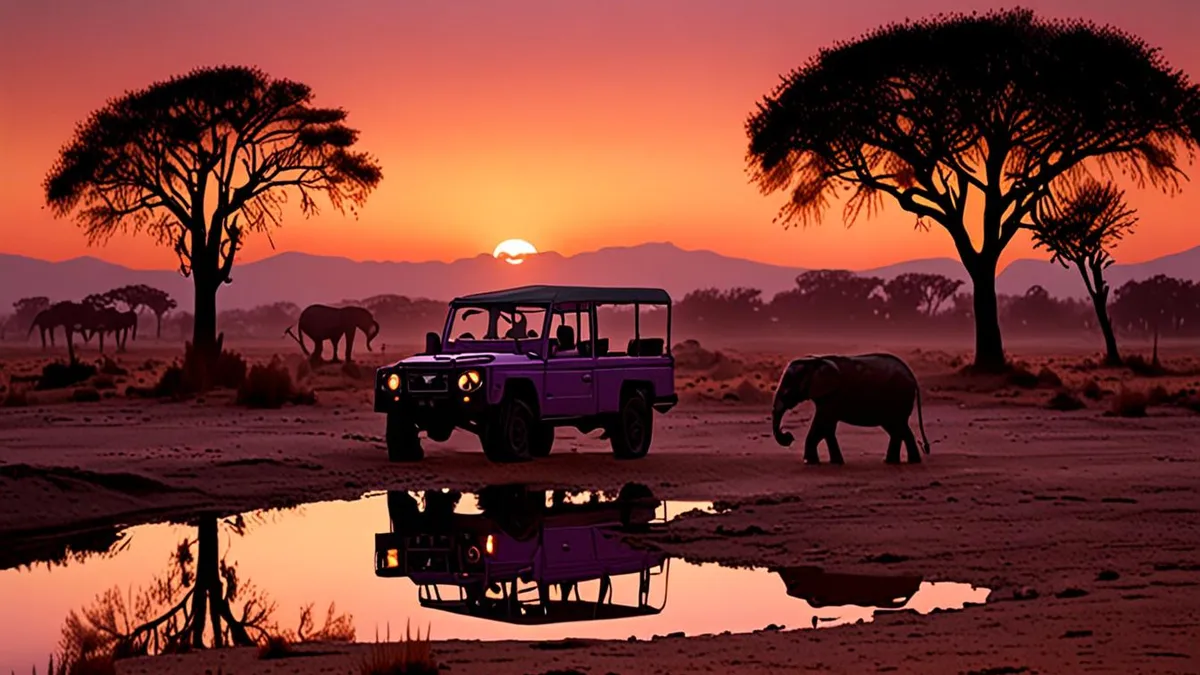
If you remember one thing about timing, make it this: dawn and dusk drives deliver the best sightings. Predators are most active in the cooler hours, hunting and moving between resting spots, so lions, leopards and wild dogs are most likely to be found on the move when the sun is low. Herbivores are also more active before the heat builds, grazing in the open rather than sheltering in the shade.
Season Makes a Difference Too
Season matters as much as time of day. During the dry season months, vegetation thins out and animals concentrate at permanent waterholes and rivers, which makes sightings easier and more predictable than in the green season, when rain spreads wildlife across a wider area and thicker foliage offers more cover. The green season has its own rewards, such as newborn animals and migrant birds, but if your priority is sheer volume and visibility of game, plan your trip around the dry months and check with your lodge about conditions in the year you travel.
Midday, by contrast, is quiet for wildlife. Most animals rest in the shade during the hottest part of the day, which is exactly why lodges schedule drives around breakfast and dinner instead, sending you out at first light and again in the late afternoon when the bush wakes up.
Shared vs Private Game Drives: What You Pay For
On most safaris, the game drive you join each morning and afternoon is a shared one. Vehicles typically carry 6-10 guests in tiered rows so everyone gets a clear view, and these drives are usually included in the nightly lodge rate. You’ll be paired with other travelers, and your ranger will try to balance everyone’s interests, from big cats to birdlife.
If you want more control, ask the lodge about booking a private vehicle. This gives you a dedicated ranger and tracker, and it usually adds around USD 50-150 per day to your bill. The upside is significant: you can linger at a leopard sighting for an hour, skip lions in favor of wild dogs, or focus entirely on photography without worrying about other guests’ preferences. Private vehicles are especially popular with serious photographers and families with young children.
Specialist drives
Beyond the standard outings, many lodges offer specialist options such as full-day drives into remote areas of the concession or dedicated photographic drives with gimbal mounts and extra seating space. These are priced separately from your nightly rate and should be booked well in advance, as availability is limited. To see how these extras fit into your overall budget, it helps to read a breakdown of what a safari lodge stay really costs before you book.
Game Drive Etiquette and Vehicle Rules
A game drive brings you remarkably close to wild animals, and the rules exist to keep both you and the wildlife safe. The golden rule is simple: stay seated for the entire drive, and keep your arms, hands and cameras inside the vehicle at all times. Animals generally ignore the vehicle’s shape, but a moving limb can change that perception in an instant.
Keep your voice low when the ranger approaches a sighting, and always follow the ranger’s instructions, even if that means backing away from an animal you were excited to see. Rangers read animal behavior constantly, and their calls are made for good reason. If you have a question, wait for a calm moment rather than talking over a sighting.
Dress for the conditions, not the photo. Early mornings can be 10-15°C cooler than midday, so layers you can peel off as the sun climbs are essential. Stick to neutral, earthy colors that blend into the surroundings. Before you leave your room, run through this packing checklist:
- Binoculars — a pair per person is ideal, since animals often appear in different directions at once and sharing means someone misses the action.
- Camera with a zoom lens — a lens in the 200-400mm range lets you fill the frame without asking the ranger to get closer than is safe or appropriate.
- Sunscreen — open vehicles offer no shade, and even overcast mornings turn into strong sun by mid-drive.
- Windproof jacket — the windchill from a moving open vehicle makes cold mornings feel far colder than standing still.
How to Prepare Before Your First Game Drive
A little preparation before you travel makes your first game drives far smoother. Start when you book: tell the lodge about any mobility needs, dietary requirements and photography interests. Lodges can often assign you to a vehicle with easier access, arrange step-free seating, plan vegetarian or allergy-friendly snacks for the drive, or pair you with a ranger who shares your passion for birds or big cats. Most are happy to tailor the experience, but only if they know in advance.
Sort your gear the night before
Charge every camera battery and clear space on your memory cards the evening before each drive. There are no charging points on the vehicle, and a dead battery at a leopard sighting is a disappointment no one can fix. It’s also worth packing your bag the night before, so the pre-dawn wake-up call feels relaxed rather than rushed.
Finally, confirm the practical details with your lodge before arrival: whether drives are shared or private, and whether children are allowed on the vehicle. Policies vary between lodges, and some impose minimum ages for safety reasons. If you’re still deciding where to stay, a practical guide to choosing the right safari lodge covers these questions in more depth and helps you match a property to your travel style.
Wrapping Up Your Game Drive Experience
A game drive is simpler than many first-timers fear: a guided outing in an open 4×4, led by a ranger who knows the tracks, the animals and the stories behind both. Lodges typically run two drives a day, one at dawn and one in the late afternoon, each lasting 3-4 hours with a coffee or sundowner break along the way. Everything else, from the wake-up knock to the vehicle rules, flows from that basic rhythm.
On costs, shared drives seating 6-10 guests are usually included in your nightly rate, while a private vehicle with a dedicated ranger often adds USD 50-150 per day. Dress for the chill before sunrise with warm layers, keep your voice down when the ranger finds a predator, and let the tracker do the hard work of reading the road ahead. With sensible timing and a little courtesy on the vehicle, even complete beginners can come home with memorable sightings. If this guide helped you plan your first safari, leave a comment or share it with a fellow traveler.