You want a nature escape in Portugal without roughing it, but you’re unsure which regions offer real glamping and what the experience actually involves. That’s a fair worry: listings can blur the line between a basic campsite cabin and a proper safari tent with an en-suite bathroom, and choosing the wrong region or season can make or break the trip.
This guide to glamping in Portugal walks you through everything you need to plan with confidence. We’ll look at why the country works so well for this style of travel, the best regions from the Algarve coast to the mountain parks, and the smartest times to book. You’ll also find typical nightly prices, advice on choosing between safari tents, domes, yurts and cabins, and a realistic picture of what you’ll find on site. By the end, you’ll know where to go, when to reserve and what to expect once you arrive.
Why Glamping in Portugal Works So Well
Portugal has become one of Europe’s most rewarding countries for glamping, and the reasons are practical rather than trendy. The first is climate. A mild Mediterranean-style climate means the outdoor season stretches from spring well into autumn, so operators can keep safari tents and domes open for months at a time instead of a short summer window. Warm, dry weather also makes sleeping under canvas genuinely comfortable rather than a test of endurance.
The second reason is size. Portugal is a compact country, and most regions sit within a 2–3 hour drive of Lisbon or Porto. That means you can land, pick up a rental car and be sipping wine on a vineyard terrace or watching the sun drop over coastal cliffs the same afternoon. It also makes multi-stop trips easy: two or three glamping sites in a single week without marathon drives.
Different landscapes in one trip
The third advantage is variety. Few countries this size pack in so many contrasting settings. You can wake up to the sound of Atlantic surf, spend the next night among rolling cork-oak plains under a dark sky, then finish in a mountain park where nights turn cool enough for a blanket. Coast, vineyard valleys and highland scenery are all within easy reach of each other.
For travelers, that variety changes how you plan. Instead of committing to one landscape for a whole trip, you can match each stop to the season and your mood: a beach-focused stay early in the season, a cooler mountain escape at the height of summer, and a quiet inland retreat as autumn arrives. The rest of this guide breaks down each region so you can decide which mix suits you best.
The Best Regions for Glamping in Portugal
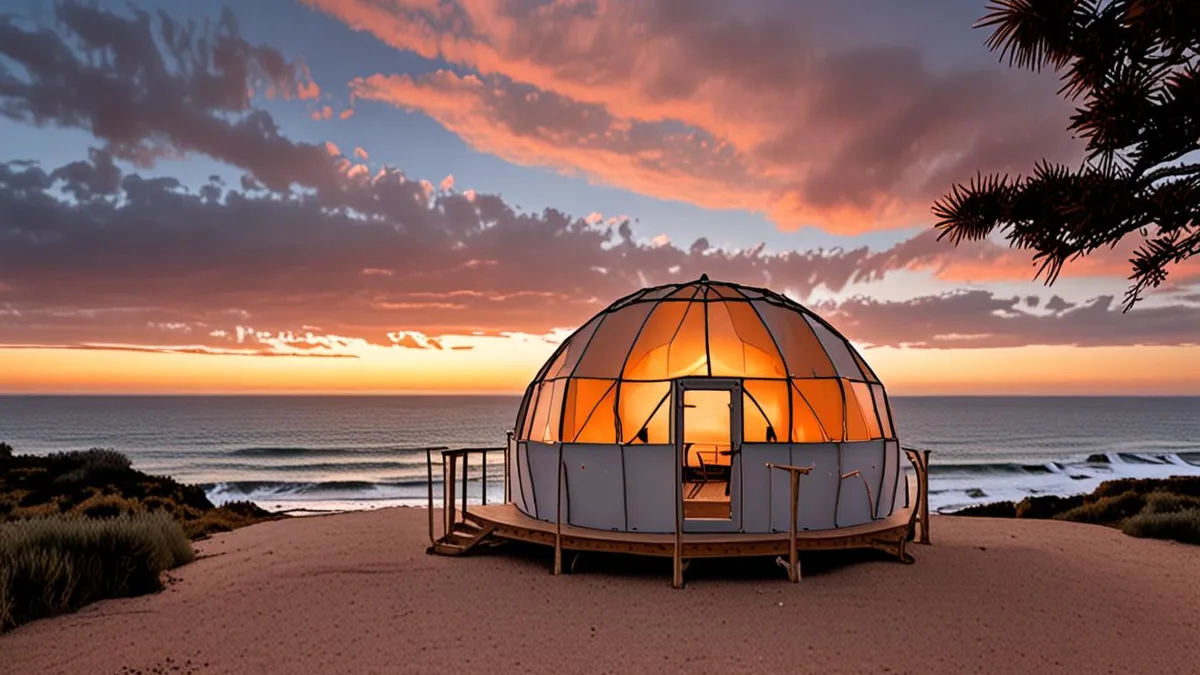
Portugal’s regions offer genuinely different glamping experiences, so the first real decision is which landscape you want outside your tent door. The Algarve leads the country in both supply and season length: its coastal cliffs and beaches draw the biggest operators, and the glamping offer here is the most developed, from family-friendly resorts to secluded cliffside domes. If you want the widest choice of sites and unit types, start here.
Alentejo, just inland and roughly 2–3 hours by car from Lisbon, is the quietest and most romantic option. Glamping sites sit among rolling cork-oak plains, and large stretches of the region are recognized dark-sky areas, so stargazing from your deck is a genuine highlight rather than a bonus. With fewer towns and less traffic, evenings feel wonderfully still.
Head north and the character changes again. The Douro Valley pairs steep vineyard terraces with wide river landscapes, and glamping here is best in late summer, when the grape harvest atmosphere is at its peak and the terraces glow gold. Further inland, the central mountains offer a fourth option entirely.
- Algarve: because the season is longest here, you’ll find the broadest range of stay dates, including spring and autumn weeks when coastal sites are calm and the water is still warm enough for swimming.
- Alentejo: many sites sit on working farm or estate land, so you can often combine your stay with tastings of local olive oil, wine or cheese without leaving the property.
- Douro Valley and northern Portugal: river viewpoints and terrace-edge locations mean some units have dramatic drop-away views, so it’s worth asking about orientation when you book.
- Serra da Estrela and central mountains: elevations here bring cooler nights even in July and August, making these sites a smart escape when the coast and plains feel too hot.
Whichever region you choose, the packing basics stay similar, and a good glamping packing checklist will cover the layers, footwear and extras each landscape demands.
When to Book: Seasons and Lead Times
Timing makes a bigger difference to a glamping trip than to most hotel stays, because canvas and outdoor decks are far more weather-dependent. The sweet spot in most of Portugal is May to June and September to October. These months combine reliably warm weather with noticeably fewer crowds, so you get sunny days by the pool or on the coast without peak-season prices or packed sites.
How the seasons differ by region
Regional calendars vary more than first-time visitors expect. On the Algarve coast, the season runs roughly April to October, with hot, dry summers at its center, so you’ll find open sites and full facilities across a long stretch of the year. Inland sites, from Alentejo plains to the central mountains, are best from May to October: spring and autumn bring pleasant days, while the height of summer can be intense away from the coast. If you’re weighing regions against each other, our guide to the best season for glamping by region breaks the timing down in more detail.
How far ahead to book
Lead times matter too. For summer stays anywhere in the country, booking 2–4 months ahead is usually enough to secure the unit you want, especially at smaller sites with limited inventory. August in the Algarve is the exception: it’s the busiest stretch of the year on the coast, and you should book 6+ months ahead to get a good dome or safari tent with a view. For May–June or September–October trips, booking a couple of months out typically gives you real choice, and midweek dates are easier to find than weekends.
One practical tip: smaller sites often release their calendars early, so if you have your heart set on a specific unit, reserving as soon as dates open beats waiting for last-minute deals. Glamping units rarely get discounted the way hotel rooms do.
What You’ll Pay: Typical Prices
Glamping in Portugal costs less than you might fear, but more than camping. Most Portuguese glamping sites charge between €80 and €250 per night for two people, which puts them firmly in the boutique-accommodation bracket rather than the budget one. For that price you typically get a proper bed, privacy and a setting that a standard hotel could not offer.
At the top end, luxury domes and safari tents in peak season can exceed €300 per night. These units usually come with extras such as private plunge pools, large decks with a view, or interiors designed by someone with real taste. If you want one of these in the height of summer, expect to pay the premium and plan well ahead.
Timing makes a real difference to your bill. Shoulder-season stays often fall toward the lower end of the range, so the same dome that costs a peak rate on a summer weekend might drop close to €80–€100 on a midweek night in May or October. If your dates are flexible, ask the site directly about midweek rates before you book.
What’s usually included
Most rates cover the accommodation itself, linens and towels, and use of shared facilities like a pool or communal kitchen. Cleaning fees, extra guests and extras such as breakfast or firewood are often charged separately, so read the price breakdown carefully. For a broader comparison of what glamping typically costs across Europe, see this guide to typical glamping prices.
Choosing Your Stay Type and Site
Safari tents and geodesic domes dominate the Portuguese glamping market, and for good reason: both handle summer heat and occasional rain well while offering plenty of space. Yurts and wooden cabins also appear, usually at smaller, family-run sites where the owner has built things by hand. The stay type you pick shapes the whole experience, so it pays to look closely before booking.
The single biggest variation between sites is the bathroom situation. Some luxury domes come with a full en-suite bathroom and hot water on tap, while some safari tents share a clean but basic bathroom block a short walk away. Neither is wrong, but if you imagined stepping straight from bed to your own shower, a shared block will disappoint you.
Photos can also mislead. Many booking pages show the site’s best unit from its most flattering angle, so always ask for or look for real photos of the exact unit you’ll sleep in, not just a representative one.
- Bathroom setup: confirm whether your unit is en-suite or shared, and if shared, how far the block is and how many units use it.
- Kitchen facilities: some tents have a full private kitchenette, others only a two-burner camp stove, and some rely on a shared communal kitchen.
- Cooling for summer: check for shade over the deck, fans or air conditioning, since canvas and dome structures heat up fast in the Algarve sun.
- Unit placement: ask whether your tent sits close to neighbors or has spacing and vegetation for privacy, especially at smaller sites.
Taking ten minutes to verify these details before you pay saves you from the most common glamping letdowns, and it usually takes just one short message to the host.
What to Expect On Site
Forget everything you associate with sleeping on the ground. Portuguese glamping units come with real beds dressed in proper linens, and most run on solar power or a mains connection, so you can charge phones and keep lights on after dark. Many units add an outdoor deck, and at the more upscale end you may even find your own plunge pool overlooking the hills or coast.
Small sites, big skies
Most Portuguese glamping sites are deliberately small, often somewhere between 5 and 15 units. That means no noisy resort atmosphere, no queues for the pool, and evenings that stay genuinely quiet. In rural areas, especially the Alentejo plains, light pollution is minimal, so stargazing from your deck becomes part of the nightly routine rather than a special event.
Pack for the temperature swing
Here’s the detail that catches the most first-timers: even in midsummer, inland and mountain sites cool down sharply after sunset. A day that hit the low thirties can drop to something close to chilly once the sun goes, and canvas walls hold far less warmth than hotel walls. Pack layers, including a warm top and socks for evenings, even if your suitcase is otherwise full of summer clothes.
Bring a torch or headlamp as well. Paths between units and shared facilities are often lit only dimly, if at all, which is part of the charm but awkward without a light. Beyond that, there is little you need: the whole point is that the essentials are already waiting for you.
Wrapping Up Your Portugal Glamping Plan
Glamping in Portugal answers a simple question: how do you get a real nature escape without giving up comfort? The country pairs a long outdoor season with regions suited to very different stays, whether you want beach days on the Algarve coast, quiet nights under dark skies on the Alentejo plains, or cooler mountain air in the center. Most sites offer real beds, linens and private decks, so you get the scenery without the sleeping bags.
On budget, expect nightly rates for two people to run from around €80 up to €250 at most sites, with luxury domes and safari tents in peak summer sometimes exceeding €300. Timing matters most: booking 2–4 months ahead secures the best units in May–June or September–October, when the weather is warm and the crowds are thinner. If you have been on a glamping trip in Portugal, share your experience or tips in the comments below.