You booked a standard room, but the suite in the photos keeps calling your name. The good news: a hotel room upgrade often costs nothing but a little strategy and a friendly question. Front desks hand out complimentary upgrades every day to travelers who know when to ask and how to book in the first place.
This guide walks you through the whole process. First, we explain why hotels give free upgrades at all, because understanding their side of the deal changes how you approach the desk. Then we cover booking tactics like direct reservations and flexible rates, the best timing for your request, and the exact words that work. We also look at how loyalty status and a few simple travel hacks stack the odds in your favor, what an upgrade actually gets you once you have it, and some final thoughts on upgrading for free. By the end, you will know exactly what to do on your next trip.
Why Hotels Give Free Hotel Room Upgrades
Here is the counterintuitive truth: hotels would rather give a suite away than let it sit empty. An unsold high-category room tonight has no value tomorrow, so selling the highest available category at any price beats holding out for full rate. That empty suite at check-in is an asset the hotel wants to put to work, and a polite guest is one easy way to do it.
The math of empty rooms
During shoulder season, occupancy often sits around 60-70%, which means plenty of higher-category rooms are simply unoccupied. Housekeeping has already cleaned them, and the front desk knows exactly which ones will go unsold. In that situation, staff can give them away to a friendly guest without anyone losing money. This is why the same hotel that would never upgrade you during a packed holiday weekend happily hands over a junior suite on a quiet Tuesday in the off-season.
Goodwill beats a one-night rate difference
There is a second reason upgrades happen: loyalty. Hotels make far more from a repeat guest who books direct, joins the loyalty program and returns twice a year than from the small rate difference on one night. An upgrade builds goodwill, gets you engaged with the loyalty program and turns a one-time booker into a regular. Front desk agents know this, and many have discretion to use upgrades exactly for that purpose. Understanding this dynamic is the foundation for everything that follows in this guide.
Book Smart: Direct Bookings and Flexible Rates
Your upgrade odds are shaped before you ever reach the front desk, and it starts with where you book. Booking directly with the hotel raises your upgrade odds compared with reserving through a third-party site. Reservations made through online travel agencies often block staff from modifying the room assignment, which means even a willing front desk agent may be unable to move you. When you book direct, the hotel controls the reservation and can reassign you in seconds.
Flexible rates beat prepaid ones
The rate type matters just as much as the channel. A prepaid, non-refundable rate locks you into exactly what you bought, and front desk systems treat those bookings differently. Choose a flexible rate instead, even if it costs slightly more, because it gives the hotel freedom to reassign you to a better room without any friction. Think of that small difference as buying optionality on a suite.
Timing your booking and joining the program
When you travel matters too. Midweek stays from Tuesday to Thursday typically have lower occupancy, which means more unsold higher-category rooms and a better chance of a free giveaway. Weekend and holiday dates are the opposite: the property fills up and there is nothing left to hand out.
Finally, join the hotel’s free loyalty program even at the entry level. It costs nothing and takes a couple of minutes, and members are often upgraded 24-48 hours before arrival, before walk-in guests even get a shot. Add your membership number to the booking so the front desk sees it at check-in.
Timing Your Ask: When to Request the Upgrade
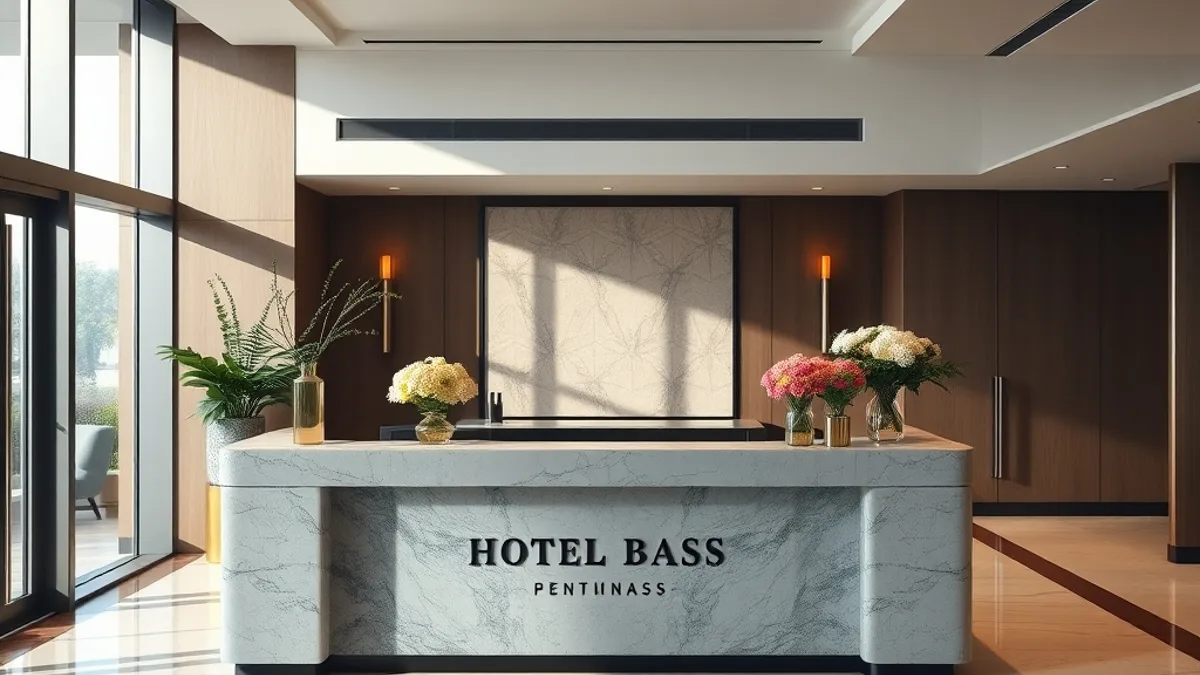
Even with the perfect booking, asking at the wrong moment can sink your chances. The single best window is check-in between 3 and 5 pm, before the evening rush. At that point the room map is still open, the day’s departures have cleared and the front desk can see exactly which higher-category rooms remain unsold. Show up at 9 pm on a Friday and the property is either full or the staff is too slammed to consider reassignments.
Ask on arrival day, not weeks ahead
It may feel natural to request an upgrade when you book, but it rarely works. Staff only know what is actually unsold on the day of arrival, so a request made weeks in advance usually gets a polite “we’ll see” and is forgotten. The front desk agent who checks you in has real information and real discretion. That is the person to ask, in person, on arrival day.
Pick your dates with the odds in mind
Just as important is knowing when not to ask. During peak season, major holidays and big city events like conferences or festivals, even the suites sell out. When the hotel is running at full occupancy, there is genuinely nothing to give, no matter how charming you are. If an upgrade is a priority, plan your stay for quieter dates instead. Combine an off-peak midweek arrival with an early afternoon check-in and you have already done most of the work before you say a single word.
How to Ask: Politeness and the Right Words
The magic phrase is short and pressure-free: “Are any complimentary upgrades available tonight?” That’s it. You’re not demanding anything, and you’re giving the agent an easy out if the hotel is full. A low-key question like this makes it comfortable for them to say yes when a suite is sitting empty.
Front desk agents handle hundreds of check-ins and they remember the friendly ones. Look at their name tag, greet them by name, and chat for a moment about your trip. Upgrades are discretionary, not owed, so the agent is essentially choosing to do you a favor. People do favors for people they like.
If you’re celebrating something, flag it ahead of time rather than waiting until you’re standing at the counter. A short email or a note in your booking comments 3-7 days before arrival gives the hotel time to flag your reservation. A honeymoon or birthday anniversary is one of the few honest reasons that genuinely moves the needle.
- Smile and make eye contact. Body language matters at a busy front desk; a warm, relaxed approach signals you’ll be an easy guest to please.
- Ask once, then let it go. If the answer is no, accept it gracefully. Pushing a second time puts the agent on the defensive and closes the door.
- Time your email right. Reaching out 3-7 days ahead lands when managers review arrivals and can annotate reservations, not when the inbox is buried.
- Thank them either way. A genuine thank-you, even after a no, often earns you a small perk like a better floor or a later checkout.
One warning: never demand an upgrade or cite bad reviews as leverage. An entitled tone is the fastest way to guarantee a standard room, sometimes in the least desirable corner of the floor. Agents deal with difficult guests all day, and they have long memories.
Loyalty Status and Travel Hacking Your Way Up
If you stay at chain hotels even occasionally, loyalty status is your most reliable upgrade tool. Mid-tier status often unlocks upgrades automatically at check-in, no asking required. The system flags eligible members when higher-category rooms are unsold, and the front desk simply assigns you a better room. You don’t need top-tier status either; the first couple of levels are usually enough to move the needle.
Joining is free, so there’s no reason not to enroll before your next trip. In many cases the upgrade is processed before you even set foot in the lobby, so it pays to sign up well ahead of your arrival date rather than at the front desk. Enrollment takes a few minutes online, and your membership number can be added to an existing reservation afterward.
Credit cards and paid upsells
Co-branded hotel credit cards frequently include upgrade priority as a cardholder perk, alongside benefits like free night certificates or bonus points. If you carry one, mention it at check-in; some properties treat cardholders as preferred guests even without elite status. Check the current benefits of any card before applying, since these perks change over time.
When a free upgrade genuinely isn’t possible, pivot to perks that cost the hotel less: late checkout, lounge access or breakfast. These are easy for an agent to grant and add real value to your stay.
Finally, listen for the paid upsell offer at check-in. Front desks routinely offer unsold suites at $50-150 per night above your booked rate, which is often far below the walk-in suite price you’d see online. If the number feels right, that can be the cheapest suite night you’ll ever book.
What an Upgrade Actually Gets You
So what do you actually get when the front desk says yes? The most common jump is from a standard room to a junior suite, which typically means more space, a better view and sometimes lounge access thrown in. For a freebie, that’s a serious return on a thirty-second conversation at the desk.
Location within the hotel matters too
Upgraded rooms usually sit on higher floors, which means quieter hallways and often a wider outlook. They’re also typically positioned away from elevators and ice machines, so you skip the foot traffic and late-night noise that plagues the rooms right next to the lift lobby. If you’re offered a choice, ask for a higher floor away from the elevators; it costs the hotel nothing and improves your stay noticeably.
It helps to know what kind of upgrade you’re getting. A view upgrade is cosmetic: same room, same square footage, same amenities, just a nicer window. A category upgrade changes the room itself, with more space, a sitting area, a better bathroom or other added amenities. Both are nice, but they’re not equal.
If the agent offers you a choice between the two, the category upgrade is usually the better prize, especially for a stay longer than a night or two. That said, don’t dismiss a view upgrade out of hand. If you’re staying somewhere scenic, a corner room overlooking the water or the city skyline can transform the whole trip, even if the room itself is identical. The trick is knowing what you value: space for a longer stay, or a view for a memorable one. Either way, a polite question costs you nothing and the answer is often yes when rooms are sitting empty.
Final Thoughts on Upgrading for Free
So, back to the question we started with: you booked a standard room, you’re dreaming of a suite, and you don’t want to spend a cent more. The good news is that free hotel room upgrades really do come down to a handful of simple moves. Book directly with the hotel, aim for a midweek stay, and ask politely at check-in, when staff can actually see what’s unsold. None of it costs you anything, and none of it takes more than a few minutes.
Loyalty status and flexible rates stack the odds in your favor before you even arrive, so it pays to set things up early. And even if the suite stays out of reach, a friendly ask can still win you perks like late checkout or breakfast. Next time you check in, give it a try and see what happens. If this article helped, leave a comment or share it with a fellow traveler.