Picture it: a stone farmhouse with shuttered windows, a private pool, and lavender fields glowing in the evening light. That’s the dream that draws most first-timers who want to rent a villa in Provence — and it’s exactly where the confusion begins. Which region? Which week? How far in advance do you book, and what will it actually cost?
This guide walks you through the whole process step by step. We’ll explain what makes Provençal villas different from resort-style rentals, compare the main regions from the Luberon to the Var, break down the seasons and the lavender calendar, and lay out realistic booking timelines and weekly budgets. You’ll also find the practical questions to ask before paying a deposit, plus how to get there and get around once you’ve arrived. By the end, you’ll know exactly how to choose a region, match your dates to your budget, and book a villa with confidence — even if it’s your very first time.
Why Provence Is Different from Other Villa Destinations
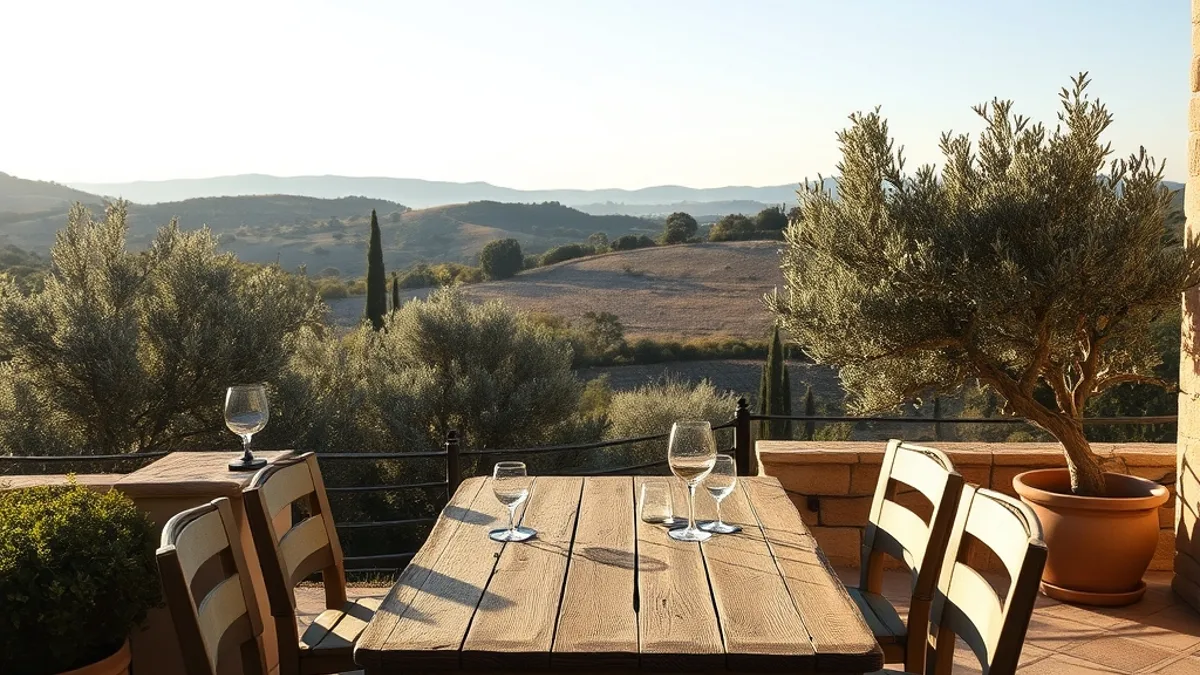
The first thing to understand is that a villa in Provence rarely looks like a villa in the Caribbean or Bali. Most rentals here are restored farmhouses known as mas, or stone bastides, often centuries old and converted from working agricultural buildings. They sit in the countryside, frequently down a narrow lane surrounded by vineyards, olive groves or cherry orchards. There’s no reception desk, no pool bar and no neighbors in the next room — and for many travelers, that’s precisely the appeal.
Because these are genuine rural homes, the experience is quieter and more private than a resort, but also more self-sufficient. You’ll shop at local markets, cook in a Provençal kitchen and rely on your own car. If you’re picturing staff on call around the clock, adjust your expectations before you book.
Private homes, not hotel operations
Most Provençal villas are private residences managed by rental agencies or by the owners themselves. Some agencies offer a local contact for emergencies and optional extras like cleaning or a private chef, but there is typically no on-site staff living at the property. Read the management details carefully so you know who to call if something breaks.
The Saturday-to-Saturday rhythm
In July and August, weekly rentals running Saturday to Saturday dominate the market. That means limited flexibility in high season: mid-week arrivals or ten-day stays can be hard to arrange when the best properties are fully booked. If your dates don’t fit the classic week, shoulder-season travel gives you far more room to negotiate.
Choosing the Right Region: Luberon, Alpilles or Beyond
Provence is a large and varied region, and where you base yourself shapes your whole trip. Each of the main villa areas has its own character, drive times and scenery, so it pays to match the region to the kind of holiday you want rather than simply picking the prettiest photo. Think about whether you picture yourself wandering hilltop villages, browsing city markets, or splitting your days between vineyards and the coast — then let that decide where you book.
The Luberon is the classic choice: hilltop villages like Gordes and Ménerbes, famous weekly markets and, in season, lavender scenery on the plateau. The Alpilles are more compact — a small range of rocky hills near Saint-Rémy-de-Provence, wrapped in olive groves, with easy day trips in every direction. The countryside around Aix-en-Provence pairs rural villa living with a lively university city of cafés and markets just 20–30 minutes away. And the Var, greener and closer to the coast, suits travelers who want vineyards one day and the beach the next.
- Luberon: the villages are spread out along the valley, so expect real driving between markets, restaurants and sights — ideal if you love slow exploration of multiple hilltop towns.
- Alpilles: distances are short, so you can base yourself in one spot and reach Saint-Rémy, Les Baux-de-Provence and surrounding olive country in quick, easy drives.
- Aix countryside: a good pick if one traveler wants quiet pool days while another wants city dinners, galleries and shopping without changing hotels.
- Var: the landscape is softer and more wooded, with vineyards and coastal towns close enough to combine wine tasting with beach afternoons.
When to Go: Seasons, Lavender and Weather
Timing shapes both the price and the feel of a Provençal villa holiday. High season runs from late June to late August: days are hot, villages and markets are busy, and weekly rates sit at their highest. It’s also when the lavender fields are at their most photogenic, which is exactly why so many travelers compete for the same weeks.
If lavender is your priority, aim for mid-July, when bloom peaks around the Valensole plateau and the Sault plateau. Exact timing shifts a little each year depending on weather and harvest schedules, so check conditions locally before locking in dates.
Why shoulder season wins for many first-timers
May–June and September through early October bring mild weather, restaurants open at full swing and noticeably lower rates. The light is softer for photography, the pool is still inviting, and hilltop villages are far easier to wander without peak-summer crowds. For a first visit focused on markets, villages and slow meals, these months are often the sweet spot.
How to Rent a Villa in Provence: Booking Timeline and Budget
Renting a villa in Provence works differently from booking a hotel or an apartment in a city, and the biggest difference is timing. The most charming properties — restored farmhouses and stone bastides with private pools and views over vineyards — are limited in number, and repeat guests rebook them year after year. If you want a specific type of home in a specific week, planning ahead matters more here than in almost any other European villa destination.
- Book 6–12 months ahead for July or August. High season is when the best mas and bastides sell out first, often to returning guests who reserve the same weeks every summer. If your dates are fixed and fall in peak summer, treat the booking like a project: shortlist properties in winter and commit by early in the new year.
- Allow 2–4 months of lead time for shoulder-season stays. May, June, September and early October offer far more availability, so you can typically wait longer before booking. Even so, the most attractive properties in popular areas like the Luberon still go early, so don’t leave it to the last few weeks.
- Set a realistic weekly budget. Expect roughly €2,000–€5,000 per week in shoulder season, rising to €5,000–€15,000 or more in peak summer for larger or exceptionally well-located homes. Price varies with pool size, views, number of bedrooms and how remote the property is.
- Budget for the extras. Pool heating, cleaning fees and a refundable damage deposit are commonly charged on top of the weekly rate. Ask for a full cost breakdown before you pay so the final invoice holds no surprises.
One more thing worth knowing: a private pool in Provence is usually a seasonal, unheated affair, which is quite different from what you might expect when staying in a private pool villa in Bali. Climate, staffing and service levels all differ, so read the fine print and confirm exactly what your rate includes.
Finally, keep some flexibility in your search. If your ideal villa is already taken, a good agency can often suggest similar homes nearby, and shifting your dates by a week or two into the shoulder season can open up both availability and better rates.
What to Check Before You Commit
Provence villa listings can look flawless in photographs, and most are honestly represented — but photos can’t tell you whether the pool will be warm in June or whether you’ll sleep through a July heatwave. Before you send a deposit, take an hour to ask a handful of practical questions. Good agencies and owners answer them easily; hesitation is itself useful information.
Distance is the question first-timers underestimate most. A villa that looks central on a map can sit at the end of a winding country road, and the reality of a 20–40 minute drive to the nearest market changes how you plan every day. Ask for the actual drive time to the nearest bakery, supermarket and restaurant, not just to the nearest famous village.
- Pool details: confirm the pool is private to your villa rather than shared, whether it can be heated, and whether it will be open and filled during your specific travel dates — many pools close outside summer.
- Cooling: ask about air conditioning by name. Many old stone farmhouses offer fans only, which is authentic but can matter on hot nights.
- Inclusions: verify whether bed linens, towels, mid-stay cleaning and end-of-stay cleaning are included in the quoted rate or billed separately.
- Practical layout: check bedroom configurations and bathroom counts, especially if your group includes teenagers or two couples who expect equal rooms.
Getting written answers to these points protects both sides and makes the whole stay more relaxed. Most problems with villa rentals trace back to an assumption someone made at booking time.
Getting There and Getting Around
Getting to your Provençal villa is refreshingly simple compared with more remote villa destinations, but the last stretch of the journey almost always requires your own wheels. Plan the arrival logistics at the same time as the villa booking, not after, because car rental availability in July and August can be tight.
Choosing your arrival point
You have two practical options. Fly into Marseille or Avignon, both of which handle international and domestic traffic, or take the TGV high-speed train from Paris to Avignon, a journey of about 2 hours 40 minutes. The train option is comfortable and scenic, and Avignon’s station has car rental desks, so you can step off the train and be on the road within the hour.
Why a car is non-negotiable
Rent a car at the airport or station, and book it well in advance for summer. Public transport rarely reaches the small hamlets where villas sit, and even villages with a bus connection won’t give you the freedom to reach markets, vineyards and hilltop towns on your own schedule. Plan on roughly 1–2 hours of driving from your arrival hub to most villa regions, and aim to reach the property in daylight — country roads are unlit and signage can be sparse. If you’re landing after a long flight, consider an overnight near the airport and picking up the car the next morning.
Your First Provence Villa, Made Simple
So where do you start with a dream that feels bigger than a single booking? Keep it simple: pick your region first, whether that is the Luberon, the Alpilles, the countryside around Aix-en-Provence or the greener Var. Then match your dates to the season and your budget, remembering that late June to late August costs the most while May–June and September–early October offer milder weather and lower rates.
From there, the rest falls into place. Book early for summer — the best stone farmhouses go first — ask the practical questions about pools, air conditioning and cleaning before you pay, and plan on having a car from the moment you land. With those basics covered, a first Provençal villa stay usually becomes a repeat tradition. If this guide helped you plan your trip, leave a comment or share it with a fellow traveler.