You’ve booked time off, you want a glamping trip, and now you’re stuck on one question: should you sleep in a yurt, a cabin or a treehouse? It’s a real dilemma. Yurts vs cabins vs treehouses is a comparison that comes down to comfort, price and experience, and each one wins on a different front. Pick wrong and you might shiver through a spring night in a canvas tent or pay treehouse prices when a cabin would have made you happier.
This guide breaks the decision into practical parts. We’ll start with what each stay type actually is, then compare comfort and amenities, typical nightly prices, how each handles different seasons and weather, and which group sizes each suits best. We’ll finish with advice on how to choose and when to book, plus a clear bottom line. By the end, you should know exactly which of the three fits your trip.
What Each Stay Type Actually Is
Before comparing anything, it helps to know exactly what you’d be sleeping in, because these three stay types differ more than their glamping-site photos suggest.
Yurts
A yurt is a round tent with canvas or fabric walls, stretched over a lattice frame and set on a raised wooden platform. The design is inspired by the nomad dwellings of Central Asia, where similar structures have been used for centuries. Modern glamping yurts usually feel nothing like a survival shelter: many have real beds, furniture, and sometimes a small kitchenette or wood stove inside. The round shape gives them a surprisingly spacious feel, with one open living area instead of separate rooms.
Cabins and treehouses
Cabins are solid wood structures with real walls, doors and windows. They behave like small houses, and many come with full kitchens, proper heating and insulation. If you want a glamping trip that feels closest to renting a home, a cabin is that option.
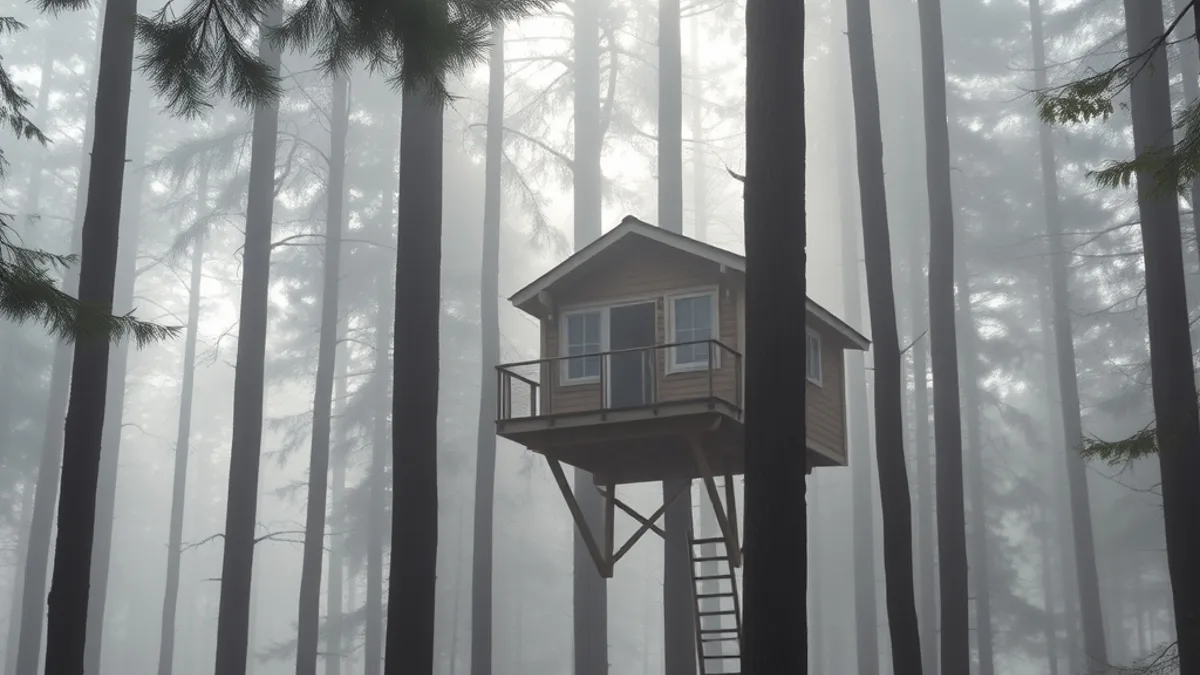
Treehouses are elevated builds on stilts or platforms set in or among trees. They range from simple platforms with a tent on top to elaborate multi-room structures with stairs, decks and wraparound views. Of the three, treehouses are the most novelty-driven option: you’re paying for the experience of sleeping up in the trees as much as for the accommodation itself. Knowing these basic differences makes the rest of the comparison much easier to weigh.
Comfort and Amenities Compared
Comfort is where these three stay types really separate. Cabins usually offer the most: private bathrooms, heating, kitchens and solid insulation that keeps the inside temperature steady. Because they’re built like small houses, a cold night outside barely registers inside.
Yurts often have real beds, wood stoves and electricity, so they’re far more comfortable than a regular tent. The trade-off is that many yurt sites use shared bathroom blocks rather than en suite facilities, so you may walk outside to reach a shower or toilet. Treehouses are the widest range of all, from rustic platforms with little more than a bed to luxury suites with full bathrooms and heating. Before booking any of them, check whether bathrooms are en suite, because this single detail changes the experience more than almost anything else.
It’s also worth thinking about what you’ll bring, since amenities vary so much between listings. A good starting point is this complete glamping packing checklist, which covers the basics for stays where you can’t count on a full kitchen or spare towels.
- Heating type matters at night: a wood stove in a yurt needs someone to feed it, while a cabin with electric or propane heating holds warmth without effort.
- Ask about linens and towels: some rustic yurts and treehouses expect you to bring bedding, while cabins almost always provide it.
- Check lighting and outlets: electricity in a yurt may mean a single lamp and one outlet, which affects charging phones or running a small cooler.
- Confirm water access: some treehouse sites have running water only in a main lodge, not in the unit itself.
Price Differences Between Yurts, Cabins and Treehouses
Price is often the deciding factor, and there’s a clear tier structure across the three stay types. Yurts typically run roughly $100–$250 per night in the US, which makes them the budget-friendly middle ground: cheaper than most cabins, but with far more comfort than a tent. Cabins average $150–$400 per night, with the price depending heavily on size and whether there’s a full kitchen. Treehouses sit at the premium tier, typically $200–$500 per night, and you’re paying for the novelty and the views as much as the bed.
Keep in mind that these are typical ranges, and prices swing with location, season and how polished the property is. A lakeside treehouse in peak summer can cost several times what a simple yurt in the same region does. If you want a fuller picture of what drives these numbers, this guide to typical glamping prices breaks down costs by stay type and season.
- Per-person math favors cabins: a large cabin sleeping eight can work out cheaper per person than a yurt sleeping four, even at a higher nightly rate.
- Kitchen access cuts food costs: a cabin with a full kitchen lets you cook, while yurts and treehouses without one mean eating out for most meals.
- Weekday rates drop noticeably: many sites charge less from Monday to Thursday than on weekends, especially in summer.
- Cleaning and service fees add up: some listings add flat fees per booking that hit one- and two-night stays hardest, so check the final total before comparing.
Season and Weather Suitability
Weather is where these three stay types really separate. A cabin with solid walls, insulation and heating is comfortable in winter snow, heavy rain and cold snaps, which makes it the only one of the three you can rely on for a true off-season trip. When a storm rolls in, you can shut the door, light the heater and forget the forecast entirely.
Yurts: great in shoulder seasons, tricky in peak summer
Yurts with a wood stove handle spring and fall well, and many stay cozy well into the cooler months depending on the site. The catch is heat: canvas warms up fast in direct sun, so a yurt can feel stuffy on July and August afternoons. If you’re booking peak season, look for yurts with shaded sites, good cross-ventilation or a nearby lake to cool off in.
Treehouses: a fair-weather favorite
Treehouses shine from May through October, when you can actually enjoy the open platforms, decks and canopy views they’re built around. In a storm, that same exposure works against you — wind, rain and lightning make an elevated platform far less appealing than a grounded structure. Operators sometimes close treehouses in severe weather, so check the cancellation policy if you’re traveling in an unpredictable month.
For a region-by-region breakdown of when to book each type, see our guide to the best time of year for a glamping trip.
Group Size and Who Each Stay Suits
Group size is often the deciding factor once you’ve settled on a season. The three stay types overlap, but each has a natural sweet spot, and picking the wrong one can mean cramped nights or paying for space you don’t need.
Yurts typically sleep between two and six guests, and their round, open layout works surprisingly well for families. Kids love the novelty of everyone sharing one big circular room, and parents can keep an eye on everyone without hallways or separate bedrooms. A family of four with a couple of sleeping bags or a fold-out can be very comfortable.
Cabins are the workhorse for larger groups, usually accommodating two to eight people. If you’re traveling with another family, in-laws, or a mix of generations from grandparents to toddlers, a cabin’s separate sleeping areas and private bathrooms keep everyone happy. This is the option where nobody has to draw straws for the sofa bed.
Treehouses mostly host two to four guests, which makes them a poor fit for big groups but a standout choice for couples. They shine for anniversaries, honeymoons, or a milestone birthday where the stay itself is the point of the trip.
- Yurts for young families: the single open room means no stairs, no doors to slam, and no wandering toddlers three rooms away at bedtime.
- Cabins for the group trip: look for listings with two or more bedrooms and a real kitchen, so eight people aren’t fighting over one coffee maker in the morning.
- Treehouses for two: most are built around one main bed, so check the listing carefully if you need a third or fourth sleeping spot, as loft mattresses can be better suited to kids than adults.
- Mixed groups: some glamping sites let you book a yurt and a cabin side by side, splitting the group while keeping everyone on the same property.
How to Choose and When to Book
Picking between a yurt, a cabin and a treehouse gets a lot easier when you work through your decisions in a set order. Season comes first, because it narrows down which structures will actually be comfortable. Group size comes next, and budget lands last as the tiebreaker. Here’s a simple way to sort it out.
- Start with your travel dates. If you’re headed out in winter or during a stretch of heavy rain, a cabin is the safest bet for staying warm and dry. For summer trips, think about how much heat the structure can hold — canvas warms up fast in July and August afternoons, while treehouses are generally at their best from May through October.
- Count your group before you fall in love with a listing. Treehouses mostly sleep two to four people, yurts handle two to six, and cabins stretch to eight. A group of six friends will have far fewer treehouse options than yurt or cabin options, so check capacity early.
- Set your budget range, then filter by it. Knowing whether you’re aiming for the yurt tier or the treehouse tier saves time, since prices overlap less than you might expect between the cheapest and priciest types.
- Book summer weekends three to six months ahead. June through August is peak season, and popular properties on weekends fill up early. If your dates are flexible, aim for May or September through October instead — you’ll typically find lower rates and far fewer crowds, plus much better availability.
- Read the fine print on every listing. Shared bathrooms are common on many yurts and treehouses, while cabins usually include a private one. Heating type matters too — a wood stove is not the same as central heat. And if you plan to cook, confirm whether you get kitchen access or just a fire ring outside.
One last tip: message the host before booking if anything is unclear. A quick question about heating, water access or parking near the platform can save you an uncomfortable surprise. Glamping listings vary enormously from one property to the next, so the details on the page matter more than the category name at the top.
The Bottom Line on Yurts vs Cabins vs Treehouses
So which one should you book? Cabins win on comfort and winter use, thanks to solid walls, private bathrooms and real kitchens. Yurts take the prize for value and space, giving families a big shared round room at the friendliest price. Treehouses deliver the experience, and nothing else comes close to waking up among the branches.
Across all three types, expect prices to span roughly $100–$500 per night, so there is a genuine choice at almost every budget. The right pick really comes down to three things: your season, your group size, and how much novelty you want from the stay. Answer those questions first, and the stay type usually picks itself. If this helped you decide, leave a comment or share the article with your travel crew.