Overwater bungalow costs can look baffling at first glance. One resort lists a nightly rate of $600, another charges $4,000 for what seems like the same thatched roof over turquoise water, and neither website makes it obvious what you are actually paying for. Then the final bill arrives, and transfers, spa treatments and other extras push the total even higher than the rate you booked.
This guide breaks down exactly where your money goes. We will cover what the nightly rate really includes, why overwater units cost more than beach rooms, and the hidden expenses that catch many travelers off guard. You will also see how all-inclusive pricing changes the math, when to book for the best rates, how to pick the right bungalow category for your budget, and what you should realistically expect to pay in total.
What Overwater Bungalow Costs Really Cover
The first thing to understand about overwater bungalow costs is the sheer width of the price range. In low season, base nightly rates typically run from $600 to $1,200. During high season from December through April, the same categories often reach $1,500 to $4,000 per night. That is not a typo or a suite upgrade; it is the same style of bungalow priced across two very different demand curves.
What you get for that rate
What justifies the premium is location. An overwater bungalow sits directly above the lagoon, usually with steps leading straight into the water, a private deck and a level of privacy that beachfront rooms rarely match. Your nearest neighbor is often another bungalow a respectful distance away, not an adjoining wall. Waking up to fish visible through the water below is the experience you are paying for, and no beach room replicates it.
It also helps to compare within the same resort rather than across resorts. Overwater categories typically cost 2-3 times more than standard beach rooms at the same property. That ratio is a useful reality check: if a resort quotes you an overwater rate that is dramatically higher than its own beach rooms, ask what extras are bundled in before assuming it is a deal.
Why Overwater Bungalows Cost More Than Beach Rooms
Supply is the simplest explanation for the price gap. Most Mexican resorts keep their overwater sections deliberately small, with only 5-20 overwater units per property. Scarcity does the rest: when a resort has a dozen bungalows and hundreds of guests wanting them, rates climb.
Construction over water is expensive
Building on stilts above a lagoon is far more complex than building on land. Materials must be barged out, foundations driven into the seabed, and everything from plumbing to electricity routed through marine environments. Ongoing maintenance is heavier too, since salt water, humidity and storms wear on structures constantly. Those costs flow directly into the nightly rate.
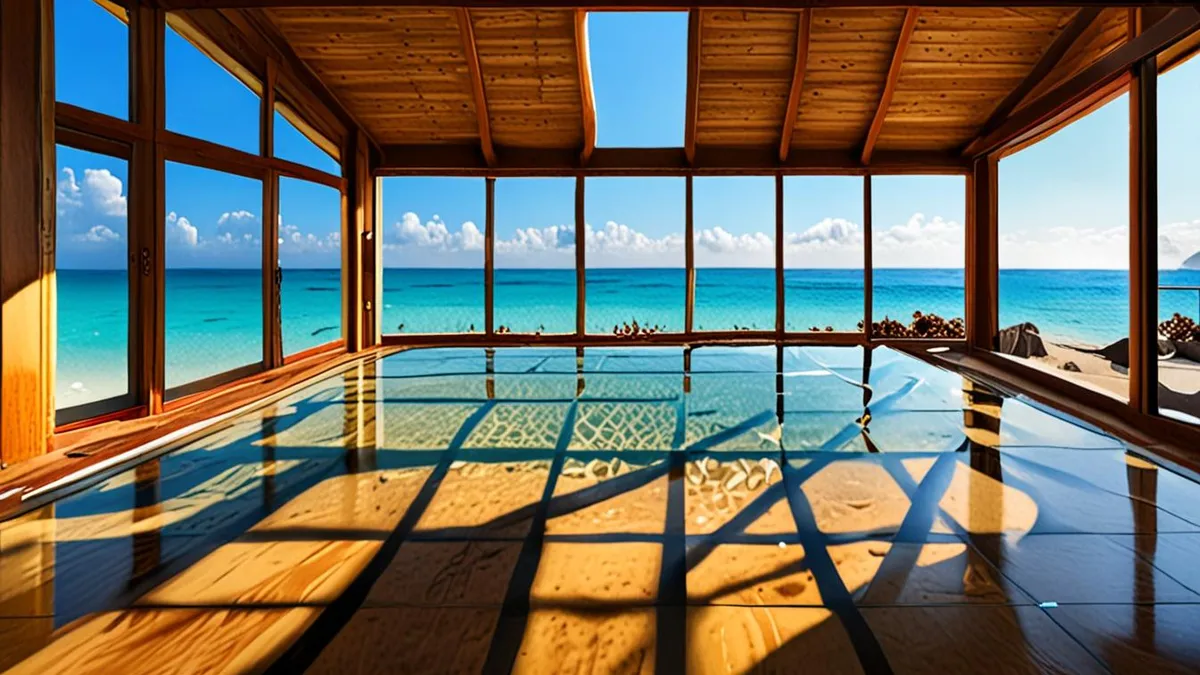
The bungalows themselves are also loaded with features that beach rooms do not have. Private plunge pools, glass floor panels over the water, swim platforms and dedicated butler service are common inclusions at the top end. These extras add real value, which is why the overwater premium is not just about the view. If you want a sense of how far service and luxury can go at Mexican resorts, this overview of all-inclusive resorts in Mexico with exceptional service and luxury shows what the highest tier of hospitality looks like.
Hidden Costs to Budget Beyond the Nightly Rate
The nightly rate is only the starting point for your budget. At room-only rates especially, plenty of everyday extras are billed separately, and they add up faster than most travelers expect. A bungalow that looks affordable on paper can easily run 10-20% higher once meals outside the resort, drinks, tips and transport are factored in. Before you book, it helps to read a broader breakdown such as this pricing guide to all-inclusive resorts in Mexico, so you know what is normally bundled and what is not. Ask the resort directly for a sample final bill, since front desk staff can usually list every item that gets charged to your room.
Transfers are the first surprise for many travelers. Getting from Cancun airport to Riviera Maya resorts adds roughly $100-$300 per couple round trip, depending on whether you book a shared shuttle or a private car. Spa treatments, premium wines and off-site excursions are also commonly priced separately at room-only rates, and a couple of massages and one boat trip can rival a night’s accommodation. Budget for these before you travel rather than after.
- Resort credits come with deadlines. Many bookings include credits toward spa or dining, but they typically expire at check-out, so unused balances are simply lost money. Plan how to spend them before you arrive, and book treatments early since slots fill up.
- Gratuities may or may not be included. Some room-only rates leave tipping entirely to you, which can add a meaningful amount over a week, especially if butler service is part of your booking.
- Premium drinks carry surcharges. Even at some all-inclusive properties, top-shelf spirits, champagne and cellar wines sit on a separate priced list, so a celebratory bottle can appear on your final bill.
How All-Inclusive Pricing Changes the Math
Once you move to an overwater bungalow, the pricing model you choose matters almost as much as the room itself. Many resorts in Mexico sell their overwater categories with an all-inclusive plan that bundles meals, drinks, activities and often room service into one nightly rate. That sounds expensive at first glance, but it changes the math in a way that can actually work in your favor.
Here’s why: once you’re paying a premium for the room, every add-on you buy separately stings a little more. On a room-only rate, breakfast delivered to your deck, a couple of cocktails at sunset and a snorkeling trip can easily add a meaningful amount per day for a couple. Over a 4-5 night stay, those extras add up quickly, and it becomes a real question whether the bundled rate is cheaper overall. The honest answer depends on how much you actually consume, which is why it helps to compare all-inclusive and pay-as-you-go pricing before you commit.
When the upgrade premium makes sense
The overwater category at an all-inclusive resort typically costs 2-3 times more than a standard beach room at the same property, so the premium is substantial. It tends to be worth it when the water access and privacy are the whole point of your trip: honeymooners and anniversary travelers who plan to spend most of their time on that private deck usually get their money’s worth. If you’d rather be at the pool, the swim-up bar and the restaurants most of the day, a beach room with the same all-inclusive plan delivers nearly the same experience for far less.
When to Book for the Best Overwater Bungalow Costs
Overwater bungalows are the scarcest rooms at any resort, and demand in Mexico’s busiest months is fierce, so timing your booking matters more than it does for a standard room. A few months of patience or planning can swing your total by hundreds of dollars per night. The good news is that the strategy is simple: lock in your travel window early, stay flexible where you can, and act the moment your booking window opens. Here is how to put that into practice.
- Pick your dates first, then book backward. If your heart is set on the sunniest months of the year, work backward from your travel dates and aim to reserve 6-12 months ahead. That window gives you the widest choice of bungalow categories and the best chance at lower rates before inventory tightens.
- Consider shifting to shoulder season. May and early November sit between the peak crowds and the busier holiday periods, and rates in these months can drop by 20-40%. The weather is generally still good for water activities, so you get the same bungalow for a noticeably smaller bill.
- Check the minimum stay before you fall in love with a resort. During peak weeks, many properties require a minimum stay of 3-5 nights for overwater categories. Confirm this early, because it affects both your total cost and whether the resort works with your schedule at all.
- Set a reminder and book the moment your window opens. Since the best rates and availability go early, decide on your budget and preferred category in advance so you can commit as soon as your target booking window arrives, rather than watching options disappear.
Whichever route you take, price the same bungalow across a couple of date ranges before committing. Compare a week in the busiest months against the same week shifted into shoulder season, and look at how the minimum stay rules change between the two. Seeing those numbers side by side is usually all the convincing a budget needs. It also helps to sign up for rate alerts from the resorts you are considering, since overwater inventory rarely gets discounted at the last minute and the strongest offers tend to appear well in advance.
How to Choose the Right Overwater Bungalow for Your Budget
Not all overwater bungalows are created equal, and the category you pick has a bigger impact on your total than almost any other decision. Before you book, be honest about which features you’ll actually use, because every upgrade tier adds a meaningful amount per night.
Start with the premium features. A private plunge pool is wonderful if you picture yourself lounging on your deck for hours, but if you plan to swim in the lagoon and spend afternoons at the main pool, it may be money you never really use. Glass floor panels are a one-time thrill for many travelers, while a swim platform with ladder access matters a lot if snorkeling off your own deck is the dream. Match the tier to your habits, not to the brochure photos.
Atmosphere matters just as much as features. Adults-only resorts tend to offer a quieter, more romantic setting, while family-friendly properties bring more energy and more activity options. Neither is better; it depends on the trip you’re planning.
- Entry-level overwater bungalow: usually the best value, with direct water access and a deck, ideal for shorter stays of 3-4 nights where the nightly premium is easier to absorb.
- Mid-tier with plunge pool or swim platform: a good fit for honeymoons and 5-7 night trips, since the extra features get real use over a longer stay.
- Top categories with butler service and multiple rooms: best reserved for special occasions or longer trips where the per-night premium is spread across a genuinely indulgent experience.
Finally, match the category to your trip length. A top-tier bungalow for two nights can cost as much as a mid-tier one for four, and the longer version usually delivers more memories per dollar. Keep the total, not the nightly rate, as your guide.
The Bottom Line on Overwater Bungalow Costs
So what are you really paying for? The nightly rate itself runs from $600-$1,200 in low season to $1,500-$4,000 in high season, and that premium buys you privacy, direct water access, and features you won’t find in a standard beach room. The price gap is real, but so is the experience.
Remember that the rate is only part of the total. Airport transfers, spa treatments, and excursions are the extras that quietly push your final bill higher, so budget for them from the start. If you want the best value, book early and aim for shoulder season, when rates drop noticeably without the experience changing much. Have you stayed in an overwater bungalow, or are you planning your first trip? Share your questions or tips in the comments below.