Choosing between a cliffside and beach villa on the Amalfi Coast is harder than it looks. Every property promises the same dreamy coastline, but the two options deliver very different holidays. Pick wrong, and you could spend your week climbing hundreds of steps, listening to street noise below, or staring at a wall instead of the sea you came for.
This guide breaks down what each villa type actually offers, the views-versus-access trade-off that defines your stay, and which towns suit each option best. You’ll find honest guidance on costs, the best time to book, and the questions to ask before you commit to either. By the end, the right choice will come down to one simple thing: how you travel.
Cliffside Villa or Beach Villa: What Each One Actually Offers
Cliffside villas are all about the view. You wake up to the Tyrrhenian Sea spread out below you, watch the light shift across the water all day, and end the evening on a terrace that feels suspended between sky and sea. Privacy is a big part of the appeal too: many of these properties sit well above the road, so your pool and sun deck are yours alone, without beach club umbrellas or foot traffic in sight.
The trade-off is that the coast’s drama comes from its vertical terrain. Reaching town, the beach or a restaurant usually means going up or down, which shapes how you use your days. A cliffside villa rewards travelers who plan to linger: long breakfasts on the terrace, an afternoon by the pool, aperitivos at sunset, then dinner cooked at home or at a restaurant worth the walk. If your ideal day is spent mostly at the villa with the sea as your backdrop, the climb is a fair price for what you get.
What a beach villa gives you instead
Beach-level villas put you right where the action is. You can swim in the morning, wander to a beach club for lunch, and walk to dinner in town without thinking about it. The views are still lovely, typically across the water toward town or along the coastline, but they tend to be more horizontal than jaw-dropping, and you share the shoreline with other visitors.
The better fit here is the traveler who treats the villa as a base. If you’re out all day exploring, taking ferries between towns, hiking or eating your way along the coast, you’ll come home tired and grateful for an easy entrance. A beach villa also replaces some of what a cliffside terrace offers: instead of a pool overlooking the sea, you have the sea itself at your doorstep.
Views vs Access: The Trade-Off That Defines Your Stay
The single biggest difference between the two villa types isn’t the view — it’s what your legs have to do to reach it. Many cliffside properties on the Amalfi Coast involve 100-300 steps or steep switchback paths between the road and the front door. That climb is part of the charm when you’re carrying nothing but a coffee, but it’s a very different story with suitcases, toddlers or a bad knee.
Beach-level villas flip the problem. You walk straight in from the street, but that street often carries coast-road traffic, and neighboring beach clubs can run music well into the evening. A villa that feels idyllic at 10 a.m. may hum with scooters and happy-hour noise after dark, so it pays to dig deeper before you book.
The most useful habit you can build as a renter: ask the owner or agency for photos of the actual path and entrance, not just the terrace and pool. Marketing shots love infinity edges and lemon groves; they rarely show the 140 steps or the road two meters from the gate. If you’re weighing this trade-off in another destination, the same logic applies — this guide to what to expect from a private pool villa in Bali shows how access questions shape a villa stay far beyond the Amalfi Coast.
- Ask whether luggage is delivered by porter, funicular or your own arms — some cliffside owners include a bag-carrying service, others expect you to haul everything up yourself.
- Request a short video of the walk from the nearest parking or drop-off point, taken at the time of day you’ll usually arrive and return.
- Check whether the path is lit at night; unlit stone steps with worn edges are a genuine hazard after a dinner out.
- If you’re traveling with kids, ask whether the path has a handrail or low wall — some switchbacks drop steeply with nothing to grab.
- For beach villas, ask which side of the property faces the road and whether bedrooms have glazing or shutters that actually mute evening noise.
- Confirm whether beach clubs next door rent loungers right in front of the villa, which can put strangers within a few meters of your terrace.
Where to Look: Amalfi Coast Towns for Each Villa Type
If you have decided on a villa type, the next decision is which town to base yourself in. The Amalfi Coast is short on flat land, so each town has a distinct personality when it comes to height, access and atmosphere. Picking the right one saves you from compromises you did not plan for.
For the classic vertical cliffside look, Positano and Ravello are the headline acts. Positano stacks pastel houses dramatically down the hillside, while Ravello sits even higher above the sea and feels noticeably quieter and more residential. If your dream is a long, slow week on a terrace with the boats far below, these two towns deliver it best.
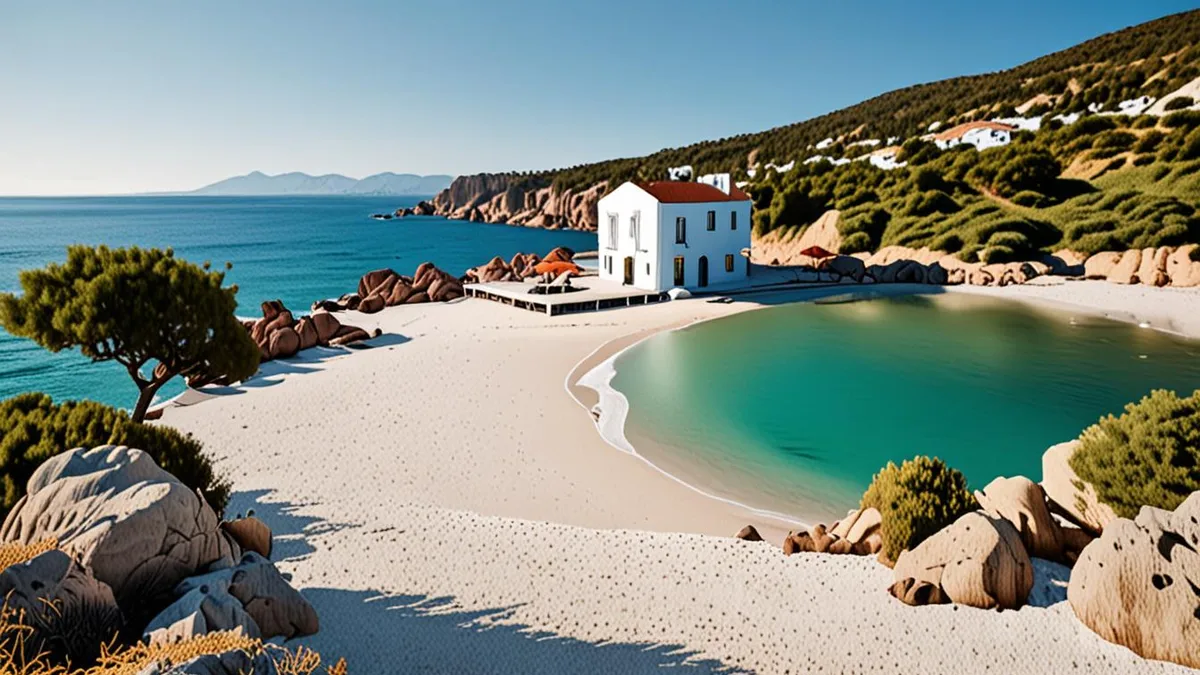
If you want to be at water level, focus on Amalfi town and Praiano. Both offer beach-level villas within walking distance of restaurants, and their beaches are pebble rather than sand, so pack water shoes. Praiano in particular has a relaxed, local feel with good swimming spots.
Smaller towns are the smart middle ground. Atrani sits just around the headland from Amalfi and Cetara remains a working fishing town, and both give you genuine beach access at gentler prices than Positano. Check current villa listings for each, as inventory is limited in the small towns.
- Atrani is compact enough that you can walk to Amalfi town along the road in roughly 10-15 minutes, giving you quiet evenings with big-town restaurants nearby.
- Cetara’s harbor is still active, so expect fishing boats and a genuine working-town rhythm rather than a resort atmosphere.
- Ravello has no beach of its own, so cliffside villa guests there should plan on driving or taking a bus down to the coast for swim days.
- Praiano spreads along the coast road, so confirm whether your villa is near the upper road or closer to the water before booking.
What a Cliffside or Beach Villa Costs on the Amalfi Coast
Villa prices on the Amalfi Coast swing more by season and view than by anything else. In the peak weeks of June through August, a weekly rental typically runs from roughly €5,000 for a smaller two-bedroom place to €20,000 and beyond for a large villa with a private pool and a postcard terrace. The spread is wide because two villas in the same town can feel like completely different products depending on how much sea they put in front of you.
That view comes at a measurable premium. Cliffside villas typically cost 20-40% more than a comparable beach-level property in the same town, so a cliff villa in Positano and a flat-by-the-sea villa in Praiano may not be an apples-to-apples comparison at all. If budget is tight, dropping down to the waterline in the same town often buys you more space, a better kitchen or a pool for the same money.
How to Pay Less Without Giving Up the Coast
Timing is the easiest lever. Shift your stay to May, September or early October and rates often drop 30-50% below peak, with noticeably better availability on the most photographed terraces. The sea is still warm enough for swimming, the towns are calmer, and the same villa that books out a year ahead in July may have open weeks in late September. Ask owners or agencies directly about shoulder-season pricing, since some offer weekly discounts that never appear on booking platforms.
When to Book Your Amalfi Coast Villa
On the Amalfi Coast, the best villas are not the ones that get discounted last — they are the ones that never discount at all. Summer demand is strong and predictable, so the properties with the widest terraces and the best views are usually gone long before casual searchers even start looking. Owners of top villas know exactly what they have, and they rarely need to drop prices to fill the calendar. If you have your heart set on a specific villa in July or August, treat the reservation like booking a wedding venue, not a hotel room: commit early, read the cancellation terms carefully and be prepared to pay a deposit to hold your dates.
For high-season stays, plan to reserve 6-9 months ahead. That window matters even more for cliffside properties, where there are fewer truly great terraces than the photos on listing sites suggest, and the standout options are booked first by returning guests. For May, September or early October, a 3-4 month lead time is usually enough, and you will often still have a genuine choice between several properties in the same town.
Booking outside peak season pays off well beyond the lower nightly rate. Shoulder-season travel comes with practical perks:
- Easier parking: garages and roadside spots in towns like Positano and Amalfi that are nearly impossible in August become manageable, which matters if you rent a car for day trips.
- Shorter ferry lines: boats between Positano, Amalfi and Salerno run on summer schedules with a fraction of the queues, so hopping along the coast by sea becomes genuinely spontaneous.
- Cooler walking weather: the 100-300 steps at many cliffside properties are far more pleasant in May or October sun than under a July afternoon, when you will want to tackle them before breakfast.
- Easier restaurant reservations: the table with the sea view you could never get in August is suddenly within reach, even on short notice.
Questions to Ask Before You Commit to Either Villa
Photos of a villa’s terrace tell you almost nothing about what it is actually like to stay there. A wide-angle shot of an infinity pool can hide a punishing stairway, a road running behind the hedge or a terrace that bakes in the sun all afternoon. The questions below separate a dream week from a frustrating one, and owners or agencies can usually answer them in a single email. Ask before you pay a deposit, not after, and keep the replies on file in case anything does not match reality when you arrive.
- Vehicle access and luggage: ask whether a car can reach the entrance and where you would park, or whether a porter carries bags up the steps — and whether that service costs extra per bag or per stay. On the Amalfi Coast, where many towns are closed to through traffic in summer, this matters more than most travelers expect.
- Pool versus sea access: confirm whether the villa has a private pool, its size, and whether it is heated; a beach villa without a pool should compensate with genuinely direct water access, so ask exactly how many steps down to swim and whether the swimming spot is sandy, pebbly or a rocky platform.
- Walking distances in real numbers: get the nearest restaurant, beach and ferry stop measured in minutes and steps, not “close by” — five minutes flat is very different from five minutes of climbing, especially in the heat of a July afternoon.
- Afternoon shade: ask whether the terrace is shaded in the afternoon, which decides whether you can actually use it in the hottest months or retreat indoors until sunset.
One extra tip: request photos of the path and entrance itself, not just the view from the top. A porter can solve luggage on arrival day, but not a daily routine of climbs with groceries, beach towels and tired children. If anyone in your group has limited mobility, get these answers in writing before booking, and consider a ground-floor or beach-level option instead.
The Right Choice Comes Down to How You Travel
Both villa types deliver the Amalfi Coast you came for, but they shape your days in very different ways. Cliffside villas reward you with sweeping views, real privacy and terraces that make staying in the best part of the trip. Beach villas trade some of that drama for easy access, walkable evenings and gentler prices, typically running less than clifftop equivalents in the same town.
The right answer depends on how you travel. Think honestly about your mobility and tolerance for steps, your budget, and how much time you actually plan to spend at the villa versus out exploring. Once that is clear, choosing the right town and booking early matters just as much as picking cliff or shore. If you’re torn between the two, tell us where you land in the comments, or share this with a travel partner still deciding.