Picture yourself in an overwater villa, turquoise water stretching to the horizon — then picture paying double for it or watching rain fall sideways instead. That gap between the dream and the reality is exactly why so many travelers struggle to pin down the best season to visit Maldives resorts. The weather, the prices and the overall value of your trip can shift dramatically depending on the month you choose.
This guide breaks it all down for you. We’ll explain the two monsoon seasons and what they actually mean for your beach time, walk through the dry season and the wet season in detail, and highlight the shoulder months that often deliver the best compromise. You’ll also find practical booking advice on how far in advance to reserve, plus tips for matching the season to your travel style — whether you’re diving, surfing, honeymooning or traveling on a budget. By the end, you’ll know exactly which months fit your plans and your wallet.
Understanding the Best Season to Visit Maldives Resorts
The Maldives sits close to the equator, so it stays warm year-round. What changes through the year is not temperature but rainfall, wind and sea conditions — and those are shaped by two monsoon seasons. The dry northeast monsoon runs from November to April, while the wet southwest monsoon takes over from May to October.
During the dry season, you get less rain, calmer seas and noticeably more sunshine. That makes it the most reliable window for classic beach weather: flat, glassy lagoons, long days on the sand and smooth conditions for boat transfers between the airport and your resort. If your trip revolves around sunbathing, swimming and that postcard-perfect horizon, these months deliver it most consistently.
There is no single “best” month for everyone
Here’s the honest answer most guides skip: the right time to visit the Maldives depends entirely on you. A honeymooner chasing guaranteed blue skies will choose differently from a surfer chasing waves or a family stretching a budget across two weeks. Your budget, the activities you care about most and your tolerance for a passing shower all matter more than the calendar itself.
The good news is that every season in the Maldives offers something real. The wet season brings lower prices and fewer crowds, the shoulder months balance weather and value, and the peak months deliver the most dependable sunshine. The sections below walk through each one so you can match the season to your trip rather than forcing your trip into someone else’s ideal month.
Dry Season (November to April): Sunshine at a Premium
The dry season from November to April is when the Maldives shows off. Rainfall drops to a minimum, the lagoons turn calm and glassy, and the skies stay blue for days on end. For most travelers, this is the Maldives they pictured when they booked the trip — white sand, turquoise water and long, uninterrupted afternoons in the sun.
Underwater conditions are just as impressive. Visibility for snorkelling and diving is typically at its best from January to April, when the calmer seas keep the water clear and plankton levels low. Whether you’re drifting over a house reef or heading out on a dive boat, this stretch of months gives you the sharpest views of rays, turtles and colorful reef life.
What peak season means for your booking
December to March is peak season, and it shows in both demand and price. The most desirable overwater villas and beach villas sell out first, and rates sit at their highest of the year. To secure your preferred villa category and a reasonable rate, plan to book 6-12 months ahead — especially if you’re targeting the festive period or a specific resort that’s high on your list. The same early-planning logic applies elsewhere in the tropics; for example, this guide on when to book all-inclusive resorts in Mexico for lower prices shows how booking windows shape pricing across popular destinations.
This season is ideal for honeymooners and first-time visitors who want the classic experience without weather worries. If a week of gray skies would genuinely disappoint you, paying the premium for dry-season sunshine is usually money well spent. Just remember that “guaranteed” weather doesn’t exist anywhere in the tropics — but November to April comes as close as the Maldives gets.
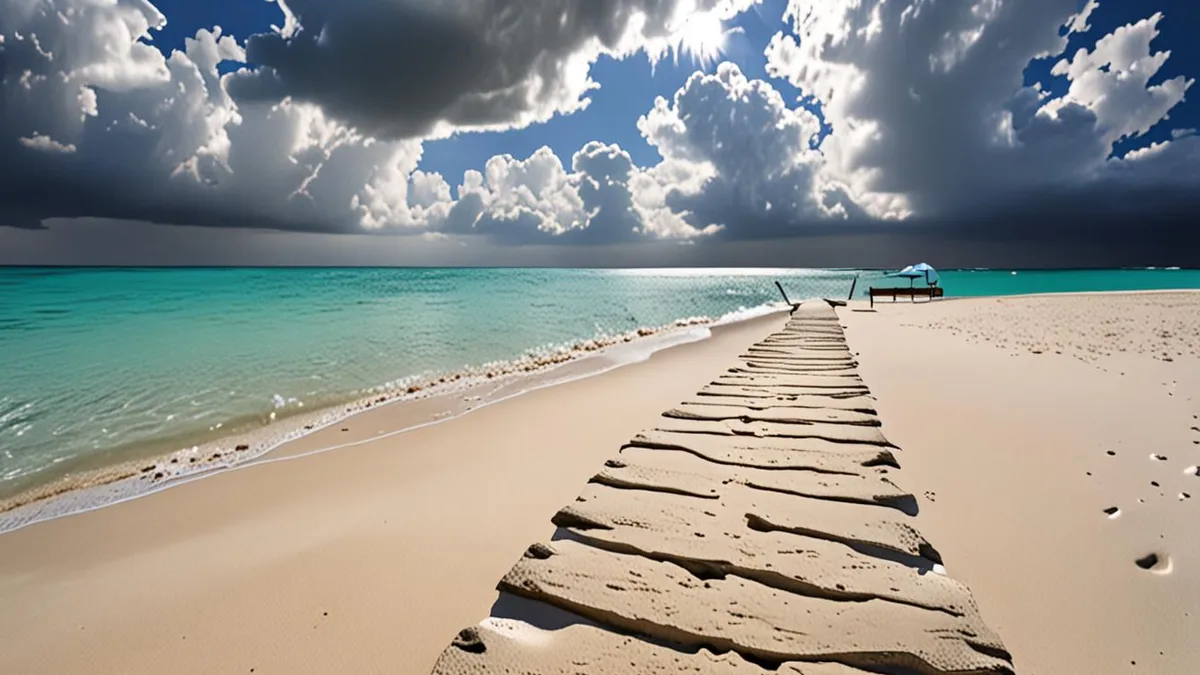
Wet Season (May to October): Lower Prices and Fewer Crowds
From May to October, the southwest monsoon brings the wet season to the Maldives — and with it, some of the best value of the year. Resort rates often drop 30-50% compared with peak season, and that’s before you count the promotions. Many resorts run seasonal offers, free-night deals and added-value packages during these months precisely because demand is softer.
What the rain is actually like
The wet season sounds worse than it is. Rain typically arrives in short, sharp bursts rather than all-day downpours, and you’ll usually get plenty of dry hours between showers to swim, sunbathe and enjoy the water. Humidity runs higher than in the dry months, but temperatures stay warm, and the sea remains inviting. Many travelers find that a passing shower is a small price to pay for half-price luxury.
Fewer crowds are part of the deal too. Resorts are quieter, restaurants are easier to book, and staff have more time for guests. If you’re flexible on weather and would rather spend your savings on a villa upgrade or extra nights, this is the season for you.
Surfers have their own reason to love these months: the surf season on Maldives atolls runs roughly from March to October, when swells generated by the monsoon winds light up the famous right-hand breaks. If riding waves is the point of your trip, the wet season isn’t a compromise — it’s the main event.
Shoulder Months: November and April for Balanced Value
If you want the Maldives at its best without paying peak-season prices, look closely at the two shoulder months that sit at the edges of the dry season: November and April. Both fall within the November to April window, so you still get the sunshine, calm lagoons and reliable beach weather the dry season is known for, but resort rates tend to be noticeably softer than during the December to March rush.
April is one of the warmest months of the year, with very calm seas and long stretches of clear water. That makes it a favorite for travelers who want glassy lagoons, easy swimming and excellent conditions on the water, all with fewer crowds than the heart of peak season. November works a little differently: it marks the transition back to drier conditions after the wet southwest monsoon, so you may catch the occasional shower, but dry, sunny days quickly become the norm as the month progresses.
Why the shoulder months make sense
For many travelers, November and April are the smart compromise. You get near-peak conditions, quieter airports and transfer boats, and rates that sit well below the December to March premium. If your dates are flexible, try pricing the same villa category in April versus January or February; the difference often covers an upgrade, a better meal plan or a few extra nights. Just remember that weather in a transition month is never a certainty, so build a little flexibility into your plans and confirm current rates and availability with your chosen resort before booking.
How to Book Maldives Resorts at the Right Time
Timing your booking matters almost as much as timing your trip. The same villa can swing wildly in price depending on when you reserve it, and the most sought-after overwater and beach villas in the Maldives often sell out long before the peak months arrive. A little planning goes a long way.
- Match your booking window to your travel dates. If you want a stay during December to March, reserve 6-12 months in advance. That is when demand is highest and the best villas disappear first. For a trip in May to October, booking 2-4 months ahead is often enough, and you may even catch last-minute deals.
- Hunt for promotions before you commit. Shoulder-season stays frequently come with discounted rates, and many resorts run early-bird offers if you book well ahead. Half-board and all-inclusive packages are also worth comparing, since they lock in your meal and drink costs and protect you from surprise resort pricing.
- Price out transfers separately. Seaplane and speedboat transfers are usually charged per person, per stay, and they can add a significant amount to your total, especially for couples or families. Ask the resort what the current transfer cost is before you book, and factor it into your comparison between islands.
One last tip: once you have a shortlist, check the cancellation terms carefully. Flexible rates cost a little more, but they let you rebook if a better promotion appears later. And before paying any deposit, confirm current rates and transfer fees directly with the resort or your booking platform, since these change from year to year.
Matching the Season to Your Travel Style
The best season for you depends less on the calendar and more on what you actually want to do once you arrive. A diver chasing manta rays, a couple celebrating an anniversary and a family stretching a budget will each find a different month ideal. Matching your travel style to the season is the simplest way to feel like you got the timing right.
Underwater enthusiasts should aim for January to April, when water visibility is typically at its clearest and the calm seas make boat transfers to dive sites smoother. Surfers, on the other hand, play by a different schedule: the surf season on the Maldives atolls runs roughly March to October, so the wetter months actually deliver the better waves. Couples and luxury travelers chasing that classic postcard experience of glassy turquoise lagoons and cloudless skies will find it between December and March, though this peak window comes with the highest rates and the need to book well ahead. Budget travelers and families get far more for their money from May to October, when resorts are noticeably quieter and the atmosphere more relaxed.
- Divers and snorkellers: book January to April stays near house reefs with easy shore access, since calm dry-season seas make daily snorkeling sessions far more predictable.
- Surfers: look for resorts or guesthouses on atolls with known surf breaks, as boat transfers to famous spots are shorter during the March to October season.
- Honeymooners: target December to March for overwater villas and sunset cruises in peak conditions, but expect premium pricing across dining, spa and excursion extras.
- Budget travelers and families: use the May to October window to negotiate, since lower occupancy means resorts are more open to room upgrades, late checkouts and added perks.
- Families with young children: quieter wet-season resorts often mean shorter waits at kids’ clubs and restaurants, plus gentler crowds around the pool and lagoon.
Wrapping Up Your Maldives Season Choice
If reliable sunshine tops your list, plan your trip for November to April, when the dry northeast monsoon delivers the most dependable beach weather. Just remember that December to March is peak season, with the highest rates and the least availability, so booking 6-12 months ahead is the way to secure your preferred villa.
Travelers with flexible schedules can trade some rain for real savings: from May to October, resort prices often drop 30-50% and the atolls feel noticeably quieter. For a middle path, the shoulder months of November and April balance good weather with softer prices. Match the timing to your budget and travel style, and the Maldives delivers in any month. Have a question or a trip planned? Leave a comment or share this article.