Studio, deluxe, suite, superior, executive… hotel room types can feel like a language invented to confuse you. You book what sounds good, arrive, and discover the “deluxe” room looks nearly identical to the standard one down the hall. Knowing what you actually get for your money shouldn’t require a decoder ring.
This guide breaks down the most common hotel room types in plain terms: what a standard room and a studio really offer, what a deluxe upgrade typically buys, when a suite is worth the price, and how connecting rooms work for families. You’ll learn how to compare rooms by size, bed dimensions and amenities instead of marketing labels, and how to book the right room type for your trip. By the end, those confusing category names will be a simple checklist you can run through in minutes.
Why Hotel Room Types Confuse Travelers
Here’s the frustrating truth about hotel room types: there is no global standard. A deluxe room in one chain can be the same size and layout as a standard room in another. One hotel’s “superior” room might simply mean a slightly better view, while another uses the same word for a room that’s two square meters larger. Without a shared definition, the labels themselves tell you very little.
Marketing terms make this worse. Words like superior, executive and premium are chosen to sound like an upgrade, but they mean nothing until you check the actual details. An “executive room” at one property might include lounge access and a bigger desk; at the property next door, it might just be a standard room on a higher floor with a different bedspread.
What to compare instead of the name
The reliable way to compare rooms is to ignore the label and look at three things: bed size, room size in square meters, and the listed amenities. A 30 square meter room with a king bed and a bathtub is a better deal than a 22 square meter “deluxe” with a queen, no matter what either is called. Most hotel websites list these details if you dig past the category name, and booking sites often show them in a room details tab. Two minutes of checking beats a disappointing check-in every time.
Standard and Studio Rooms: The Basics
The standard room is the baseline of every hotel: a bed, a private bathroom, usually a desk and a closet or wardrobe. Sizes typically range from around 20-30 square meters in Europe to 25-35 in the US, and this is the cheapest category on the menu. If you’re staying one or two nights and plan to be out sightseeing all day, a standard room usually covers everything you need. The main variables to check are bed size (a queen versus two doubles matters a lot for couples and families) and whether the bathroom has a shower, a tub or both.
What a studio adds
A studio room takes the standard layout and adds a kitchenette: a small counter with a sink, a microwave or two-burner cooktop, a mini fridge and basic dishes. That modest addition changes the math on longer trips. Preparing even one simple meal a day can save roughly $20-40 per day on restaurant meals, which adds up fast over a week. Studios are common in apartment-style hotels and residence-style properties, though many city hotels offer them too.
So when should you pick a studio over a standard? Two situations stand out. First, any stay of a week or more, where food savings and the ability to eat something light at night make the trip more comfortable and cheaper. Second, travel with small children, when early dinners, heated milk and picky eaters turn a kitchenette from a luxury into a daily lifesaver. For a short city break with no kids, the standard room is usually the smarter spend.
Deluxe Rooms: What the Upgrade Really Buys
Deluxe is the most common upgrade label in the hotel world, and also the vaguest. Typically, a deluxe room costs 10-25% more than a standard room in the same hotel, and what you get for that premium usually falls into three buckets: a better view, a higher floor, or slightly more space. Sometimes you get all three; often you get just one. That’s why the same “deluxe” booking can feel like a bargain at one hotel and a rip-off at another.
Check what the premium actually includes
Before paying the deluxe rate, check whether the category includes anything beyond the room itself. Some hotels bundle real extras into the deluxe tier: lounge access, breakfast, late checkout, or a better bathroom with a tub instead of a shower. If breakfast for two is included, the price gap can shrink to almost nothing once you price the meal separately. If the only listed difference is “higher floor,” you’re paying for an elevator ride.
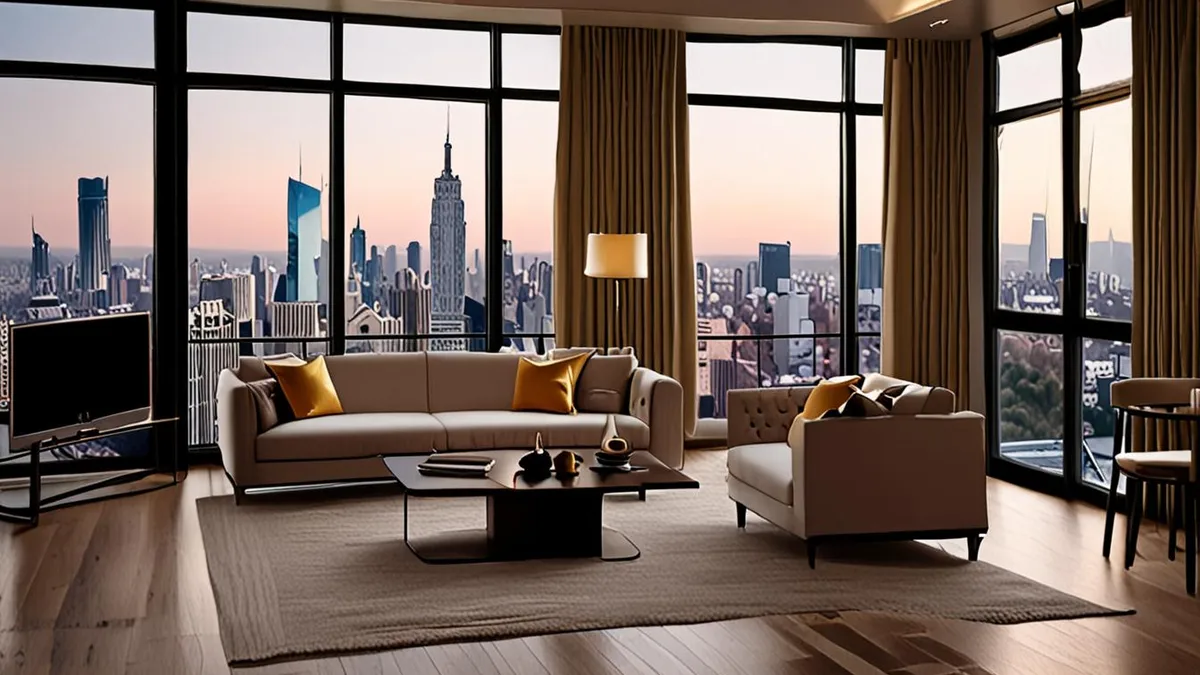
So is the upgrade worth it? It often is at city-view hotels, where a deluxe room facing the skyline or waterfront genuinely changes your stay, especially if you like to open the curtains to a view with your morning coffee. It’s also reasonable when the deluxe room is meaningfully larger or includes breakfast. But when the only difference is floor level, or the “view” faces a parking lot, save the money and put it toward a better dinner. Read the room description carefully, and if it’s unclear, a quick message to the hotel before booking will usually get you a straight answer.
Suites: Space, Layout and When They Are Worth It
A true suite is defined by one thing: a separate living area, usually behind a wall or a partial partition, with its own sofa, seating and often a second television. That separation is what you are paying for. Suites typically run 50-150% above the price of a standard room in the same hotel, so it pays to know exactly what separates one from a spacious standard before you commit.
Junior suites blur the line. In many hotels, a junior suite is simply a larger open-plan room where the sleeping and living areas share one space, sometimes divided by a low wall or a curtain. That can still be pleasant, but it is not the same as closing a door between a napping toddler and a working adult. Before you pay the suite rate, check the floor plan on the hotel’s website or ask directly whether the living area is a genuinely separate room.
When a suite is worth the premium
Suites earn their price in three situations. First, longer stays: if you are in town for more than 4-5 nights, having a living area to relax in keeps a single room from feeling cramped. Second, remote work: a separate space means you can take calls in the evening without sitting on the edge of the bed. Third, trips where you entertain guests, whether that is business contacts or friends joining for a drink before dinner.
For a one- or two-night city break where you will spend most of your time out exploring, a well-chosen standard or deluxe room often delivers more comfort per dollar. Save the suite for trips where the extra space will actually be used.
Connecting Rooms for Families and Groups
Connecting rooms are two separate rooms joined by an internal door. Each has its own bathroom, beds and entrance from the hallway, but the shared door means parents can keep the door open at night while still enjoying a private room of their own. For families of 4-6, this setup is often the most practical option a hotel offers.
The alternative arrangements each come with trade-offs. A single large family room can feel cramped with older children, and adjoining rooms (side by side but with no door between them) offer no supervision at all. Connecting rooms solve both problems: privacy when you want it, immediate access when you need it.
What connecting rooms cost
Expect to pay roughly 30-60% more than a single standard room for the pair. That sounds like a lot until you compare it with booking two suites or even two deluxe rooms, which can easily cost more. For a family of four or five, connecting rooms are frequently the better-value route to genuine space.
Here is the important part: connecting rooms are limited in number and rarely guaranteed through online booking engines. Many hotels only have a handful of connecting pairs, and they are assigned first to guests who request them directly. After you book, call or email the hotel to confirm your request, mention your booking reference, and ask them to note it on your reservation. A polite follow-up a few days before arrival is also smart. Availability is never certain, but a direct request dramatically improves your odds compared with hoping the front desk has a pair free at check-in.
How to Choose and Book the Right Room Type
Choosing a room type gets much easier once you stop reading labels and start matching the room to your trip. A studio with a kitchenette makes sense for a week-long stay, connecting rooms fit a family of four to six, and a suite suits a special occasion or a trip where space really matters. The trick is to treat the booking page like a checklist rather than a menu of tempting names. Labels such as “superior” or “premium” are marketing choices, while square meters, bed widths and listed amenities are facts you can actually compare. The steps below turn that logic into a simple routine you can run for any hotel, in any city, before you commit to a rate.
- Match the room type to your trip length and group size. Solo travelers and couples on a short trip usually do fine with a standard or deluxe room. Longer stays favor a studio with a kitchenette, families do best with connecting rooms, and milestones like anniversaries or honeymoons justify a suite.
- Compare square meters and bed dimensions on the hotel’s own site. Category names vary wildly between chains, so a “deluxe” at one hotel can be smaller than a “standard” at another. The hotel’s own listing usually shows room size in square meters and bed widths, which lets you compare rooms on facts rather than marketing labels.
- Check what the upgrade actually includes. Before paying for a deluxe room or suite, look at the listed amenities: a better view, a higher floor, lounge access or breakfast can justify the premium, while floor level alone often does not.
- Book 2-3 months ahead. Hotels allocate a limited number of each room type, and the most desirable categories sell out first. Booking early usually secures both the widest choice of room types and the best rates.
- Confirm special requests directly with the hotel. For anything specific, such as connecting rooms or a particular floor, contact the hotel after booking so your request is noted on the reservation.
Follow this routine and the confusing jargon on the booking page turns into a short checklist. You compare two or three room types on size, bed and amenities, decide which extras genuinely matter for your trip, and lock in your choice early. That approach also protects your budget, because you pay a premium only when it buys something you will actually use, whether that is a kitchenette for family meals, a separate living area for remote work, or a second room for the kids. In the end, you get a room that fits your trip, at a rate you chose deliberately rather than by guessing what “superior” was supposed to mean.
Picking Your Room Type with Confidence
Hotel room names are not a shared language, and that is exactly why the jargon feels so confusing when you are trying to figure out what you actually get for your money. The same category label can describe noticeably different rooms depending on the hotel, so the fix is simple: ignore the name and look at the numbers.
Room size in square meters, bed dimensions and listed amenities tell you far more than any marketing word. Once you compare those, the choices fall into place: studios save on food with a kitchenette, deluxe rooms add comfort for a modest premium, suites buy real space, and connecting rooms fit families who want privacy plus supervision. Check the floor plans on the hotel’s own site and book early, and the confusing jargon becomes a simple choice. If this guide helped you sort out your next booking, leave a comment or share it with a fellow traveler.