Istanbul spans two continents, and that simple fact creates the first big decision of every trip: which side of the Bosphorus should you sleep on? The European side holds most of the famous sights, while the Asian side offers lower prices and a more residential rhythm. Choosing wrong can mean long daily commutes or missing out on the atmosphere you came for.
This guide breaks down where to stay in Istanbul, neighborhood by neighborhood. We compare the main areas on both sides, explain how the ferries and rail connections work between them, look at typical prices and booking windows, and finish with clear recommendations based on the kind of trip you are planning. By the end, you should know exactly which side fits your itinerary, budget and travel style.
Where to Stay in Istanbul: The Two Sides at a Glance
The European side is where most of Istanbul’s headline attractions sit. Sultanahmet packs the Hagia Sophia and the Blue Mosque within a few minutes’ walk of each other, while Galata Tower rises over the northern shore and Taksim Square anchors the modern city center. If your itinerary is built around sightseeing, this is where the map works in your favor.
The Asian side tells a different story. Centered on the neighborhoods of Kadikoy and Moda, it feels local and residential: markets, tea gardens, cafes and apartment blocks rather than tour groups. Prices for comparable hotels typically run 20-40% lower than on the European side, which matters if you are staying a week or watching your budget.
How the two sides connect
Crossing the Bosphorus is easier than most first-time visitors expect. Frequent passenger ferries shuttle between the shores, the Marmaray commuter rail runs through a tunnel under the strait, and two road bridges carry traffic and metro lines above it. Most Asian side neighborhoods sit 20-40 minutes by ferry or Marmaray from the main sights.
The short version: choose the European side for sightseeing convenience, the Asian side for value and local atmosphere. The sections below break both down in detail.
European Side Neighborhoods Compared
The European side offers the widest choice of neighborhoods, and each has a distinct personality. Where you base yourself here shapes how much walking you do each day, how late the noise carries on and how much of your budget goes to the room. Expect European side hotel prices to run 20-40% higher than comparable Asian side properties, so it pays to match the neighborhood to what your trip is actually about.
Sultanahmet is the classic first-timer’s choice. You can walk to the Hagia Sophia, Blue Mosque and Topkapi area in minutes, and the streets calm down noticeably after the day-trippers leave. The trade-off is limited nightlife and restaurants that cater heavily to tourists.
Karakoy and Galata sit just north along the waterfront, blending old trade buildings with a trendy cafe and gallery scene. Taksim and Beyoglu, further up the hill, are the city’s nightlife and shopping engine along Istiklal Street. Beşiktaş and Ortakoy, further north along the Bosphorus, draw a younger crowd with water views. From any of these, Sultanahmet to Taksim is roughly 4 km, walkable in about 50 minutes or one tram plus funicular ride, so sightseeing stays easy even if you skip the hills.
- Sultanahmet: many hotels occupy restored Ottoman-era buildings, so the setting itself becomes part of the experience; expect steep, cobbled side streets around the core and pack comfortable shoes.
- Karakoy and Galata: the Galata Tower area is packed with independent coffee roasters and small design shops, and the tram from Karakoy connects quickly toward Sultanahmet.
- Taksim and Beyoglu: Istiklal Street stays busy late, with side streets off it holding bars, meyhanes and music venues; light sleepers should ask for rooms facing away from the street.
- Beşiktaş and Ortakoy: Ortakoy’s square sits right at the water with the mosque-and-bridge view that fills photographers’ feeds, and Beşiktaş has a lively fish market and student population.
Asian Side Neighborhoods Compared
The Asian side rewards travelers who want to live like a local rather than tick off monuments. It is calmer, greener and noticeably cheaper, and it gives you a glimpse of everyday Istanbul: students in tea gardens, families strolling the seawall and shops that have nothing to do with tourism. The trade-off is simple. You will budget extra travel time to reach the Old City sights, so this side works best when you plan your days around the crossings rather than expecting to pop back and forth.
Kadikoy is the practical hub. Its ferry terminal links you to the European side, the surrounding streets hold produce markets, fishmongers and coffee shops, and the bar streets come alive after dark. For most visitors staying on this side, Kadikoy is the easiest base because you can walk to food, transport and nightlife without needing a taxi.
Moda, a short walk southwest of Kadikoy center, adds a seaside promenade, a small lighthouse and leafy streets of cafes. Uskudar, further north, is the closest Asian side point to the Old City, connected by frequent ferry and the Marmaray rail line, which makes it a smart pick if you still want reasonably quick access to Sultanahmet.
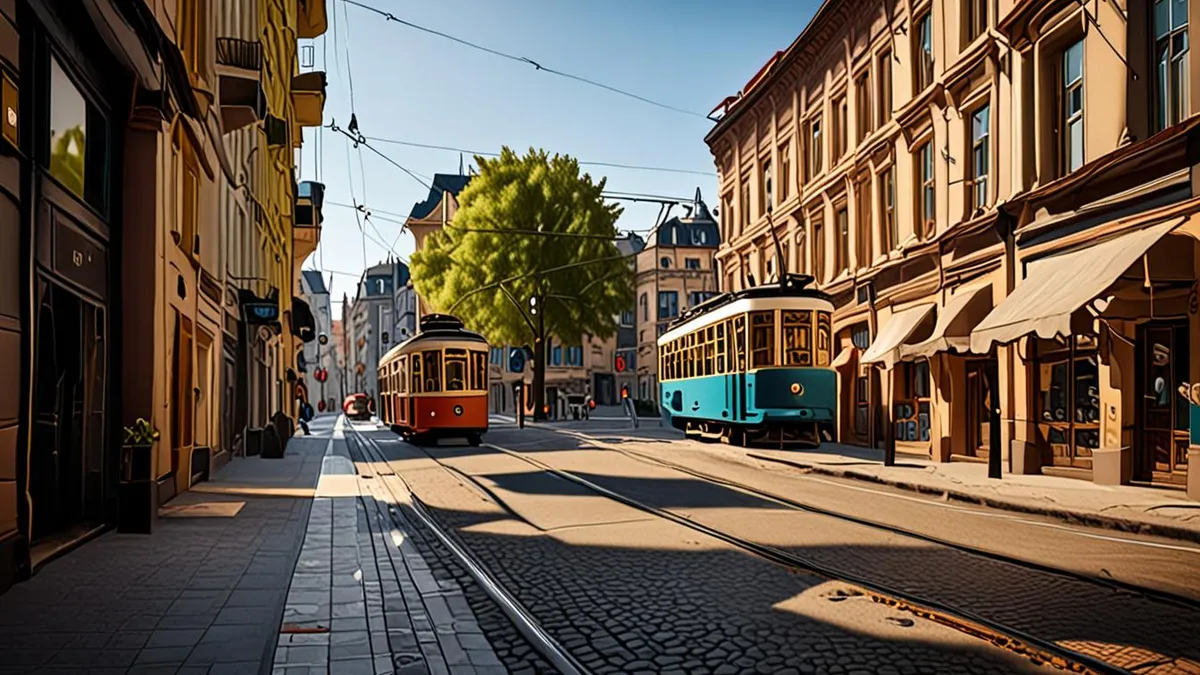
- Kadikoy: the Tuesday market in the streets behind the center is a favorite with local shoppers, and the Kadikoy-Moda nostalgic tram loops through the neighborhood.
- Moda: the seawall walk around the headland is popular for sunset, with benches facing the European side skyline across the water.
- Uskudar: the Mihrimah Sultan Mosque stands right by the waterfront, and Marmaray trains from here reach the Old City area without a transfer.
- Who it suits: the Asian side works best for longer stays, return visitors and anyone prioritizing budget over sight distance, since hotel rates here typically undercut comparable European side rooms by a meaningful margin.
Getting Around Between the Two Sides
The good news is that the Bosphorus is far less of a barrier than it looks on a map. The classic Eminonu-Kadikoy ferry route runs roughly every 15-20 minutes through the day, and the crossing itself takes around 20 minutes. Sit outside on the rear deck if the weather allows: you get a full skyline panorama of minarets, the Galata Tower and the suspension bridges, and it is arguably the best-value sightseeing ride in the city.
If you would rather skip the water, the Marmaray commuter rail runs in a tunnel under the Bosphorus and links Uskudar on the Asian side directly toward the Old City area. It is fast, frequent and unaffected by fog or rough seas, which occasionally slow ferry service in winter.
How long does a cross-side commute really take?
Here is the honest math. If you base yourself on the Asian side and want to see Sultanahmet or Taksim, allow 30-60 minutes door-to-door once you factor in walking to the pier or station, waiting, crossing, and the tram or funicular on the European side. That is perfectly manageable for a couple of outings a day, but it will eat into early-morning monument visits if you want to beat the crowds at Hagia Sophia.
Whichever side you pick, get an Istanbulkart transit card at your arrival airport or any major station. One card covers ferries, trams, metro and funiculars, and multiple people can share a single card by tapping it in turn. Top it up at the machines as you go, and check current fares before your trip since they adjust periodically.
Prices and When to Book
Prices differ noticeably between the two shores. Mid-range double rooms typically run 60-120 EUR per night on the European side, while comparable properties on the Asian side generally charge 45-90 EUR. In practice, the same budget that buys a compact room near Taksim gets you a larger room, often with more space and better breakfast, in Kadikoy or Moda.
Timing matters just as much as location. The best value windows are the shoulder seasons of March-May and September-November, when the weather is mild and rates sit at their lowest. During the July-August peak, prices climb 30-50% above shoulder season levels, and popular European side hotels often sell out their better rooms first.
The same booking logic applies almost anywhere in Europe, and the principles in this guide to the best time to book hotels for lower prices translate well to Istanbul.
- Weekends skew differently by side: European side leisure hotels fill Friday and Saturday, while Asian side business-oriented properties can be cheaper on those same nights.
- Events move prices sharply: major conferences, marathons and public holidays can push rates well beyond normal seasonal levels, so check the events calendar before locking in dates.
- Refundable rates are worth the small premium in shoulder season, when short weather swings and flight schedules change more often than in high summer.
- Longer stays open up apartment discounts that hotels rarely advertise, particularly on the Asian side where serviced apartments compete for weekly guests.
As for lead time, book 2-3 months ahead for spring or autumn trips and 4-6 months out if you are traveling in summer. Rates are not guaranteed to rise linearly, but the best-located rooms on both sides tend to go first.
Which Side Fits Your Trip
If this is your first visit and the monuments are the whole point, base yourself in Sultanahmet on the European side. Being able to walk to the Hagia Sophia and Blue Mosque before breakfast, then duck back to your hotel midday, is a genuine advantage that no ferry schedule can replace. The area is quiet at night, which suits travelers who want early starts rather than late evenings.
If nightlife and dining lead your list
Choose Beyoglu if you want to be in the middle of it: Istiklal Street and the surrounding lanes hold most of the city’s bars, meyhanes and late-night energy, and you pay for the convenience. Kadikoy is the budget-friendlier alternative with a lively bar and dining scene of its own, just a ferry ride from the Old City sights. Both work; the choice comes down to whether your evenings or your sightseeing budget take priority.
For longer stays and remote workers, the Asian side is the stronger fit. Kadikoy and Moda offer more space for your money, a residential rhythm, neighborhood cafes that welcome laptops, and a real local life that continues after the tour groups go home. The main sights are still reachable by ferry or Marmaray without an exhausting commute, which is a fair trade if you only make the crossing a few times a week.
Finally, think about the type of accommodation itself. Serviced hotels suit short trips of a few nights: daily cleaning, front desk help and easy logistics. Apartments become the smarter pick from a week onward, when a kitchen, washing machine and separate living space start to matter more than a concierge. Match the property type to your trip length and you will get more out of whichever side you choose.
The Bottom Line
So, European or Asian side? If your trip is short and built around the big sights, the European side wins on sheer convenience—you can walk from your hotel to Hagia Sophia or hop a tram to Taksim without much planning. If you are staying longer, watching your budget, or craving a more local rhythm, the Asian side delivers, with mid-range doubles often costing noticeably less than comparable rooms across the water.
Whichever side you pick, timing matters: trips in the shoulder seasons, booked 2-3 months out, tend to get the best rates on either side of the Bosphorus. And thanks to the frequent ferries and the Marmaray rail tunnel, you can easily sample both continents from a single base—no need to feel locked in. Where would you stay? Leave a comment or share this article if it helped you decide.