Many travelers assume glamping shuts down when temperatures drop, yet winter sites operate with heating systems and setups most guests never see. Glamping in winter is a real and growing option: insulated tents, heated domes and hard-wall cabins stay open through the cold months, often with wood stoves crackling and snow piled right outside the door. The trick is knowing how these sites actually work, because cold-weather glamping follows different rules than a summer booking.
This guide walks you through the essentials. We’ll cover what makes a site genuinely winter-ready, how the heating systems inside these units function, and where in the world cold-weather glamping works best. You’ll also find advice on when to book and what winter stays typically cost, what to pack for sub-freezing nights, and the specific questions worth asking hosts before you commit. By the end, you’ll know whether a snowy night under canvas—or under a glass roof—is the right kind of adventure for you.
What Makes a Glamping Site Winter-Ready
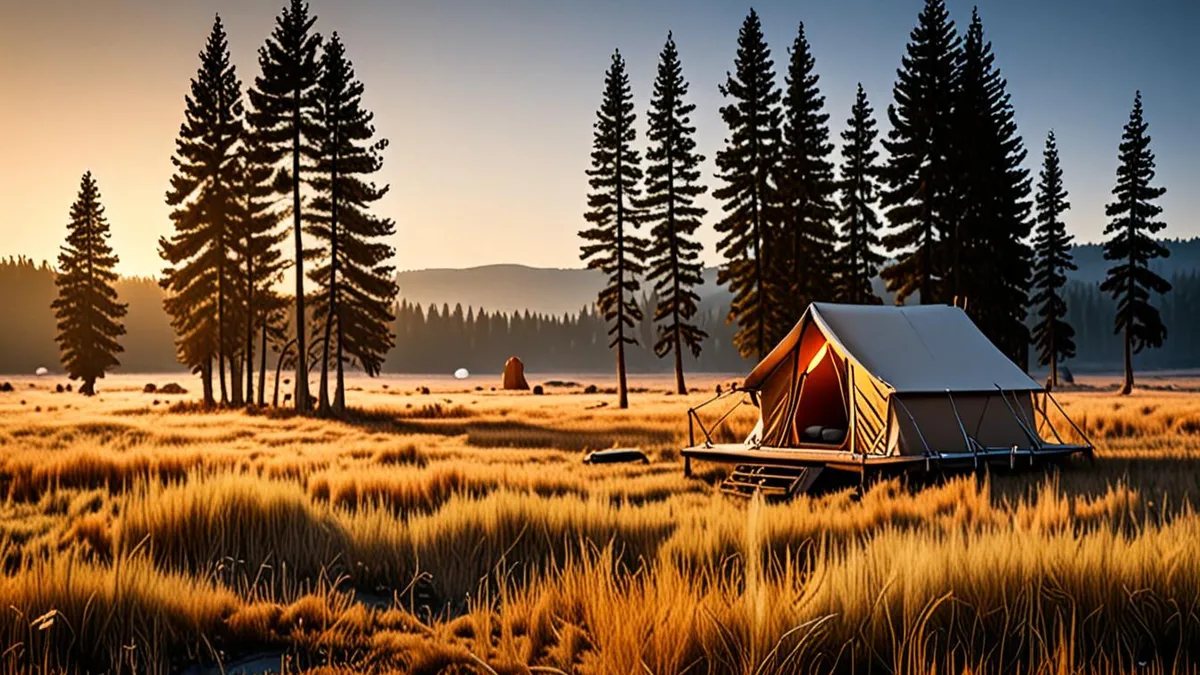
A summer glamping tent and a winter one are two very different structures. Sites that operate in genuinely cold conditions rely on four-season tents built with insulated canvas, geodesic dome shapes or hard walls. These designs handle snow loads on the roof and keep interiors livable through sub-freezing nights, rather than simply blocking wind and bugs the way a three-season tent does.
Access matters just as much as the structure itself. Well-run winter sites keep their grounds usable after storms with elevated decks, snow-cleared paths and, at some properties, enclosed walkways that connect units to shared facilities. That means you can still reach the bathroom or the dining lodge in a blizzard without wading through knee-deep snow.
How to spot a true winter site in the listing
The clearest signal is the wording. Look for listings that state a “four-season” or “year-round” rating rather than “seasonal” operation. A seasonal site may close once overnight temperatures drop, while a four-season property has been set up—structurally and logistically—to keep running through winter. If the description is vague, ask the host directly whether the unit you want is rated for snow and sub-freezing temperatures, and whether the paths and decks are maintained after storms.
How Heating Works in Winter Glamping Units
Heating is the heart of any winter glamping setup, and hosts use a few proven systems to keep interiors comfortable. Wood stoves are the classic option: at many sites, staff pre-light the stove before you arrive so the tent is already warm, or they leave kindling, firewood and instructions for you to manage it yourself. There’s real charm in feeding a stove through the evening, but it does mean the fire needs attention if you want heat through the night.
Propane and electric heaters offer a more set-and-forget approach. You set a thermostat or switch them on, and they run without refueling, often paired with heated blankets and insulated flooring to keep the space cozy from the ground up. High-end domes and cabins go further still, and may include underfloor heating or a private hot tub kept at 100-104°F—hard to beat after a day in the snow. Most cold-weather units aim to hold interiors around 65-75°F.
- Thermostat control: electric and propane systems often let you set a target temperature, so the heater cycles on and off automatically instead of running flat out.
- Insulated flooring: raised or insulated floor panels stop the cold from seeping up through the deck, which matters more than most first-timers expect.
- Hot tub placement: at high-end properties, tubs are usually on the private deck or just outside the unit, so you can go from steaming water to a heated interior in seconds.
- Fuel logistics: wood-stove sites typically stock firewood near each unit; ask whether refills during your stay are included or charged separately.
Before you book, it also pays to know exactly what to bring, since even the best heating works better with the right clothing and gear—our complete glamping packing checklist covers the basics you shouldn’t leave home without.
Where Glamping in Winter Works Best
Some regions do winter glamping far better than others, and the difference usually comes down to infrastructure and scenery. The US and Canadian Rockies and the Alps are the classic choices: both offer snow-dome and cabin stays with ski access nearby, so you can spend the day on the slopes and return to a heated dome with a wood stove waiting. These mountain regions have the snowfall to make the setting dramatic and the tourism infrastructure to keep sites plowed and staffed.
Chasing the northern lights
Scandinavian Lapland specializes in something the Rockies can’t offer: glass-roofed units built for northern lights viewing from November to March. You lie in a warm bed and watch the sky through a clear panel above you, which turns even a quiet night into the main event of the trip.
Milder winter options
If sub-zero nights aren’t your thing, the US Southwest and the Mediterranean offer a gentler version of the experience. In these regions you can glamp in 40-60°F days without heavy snow, getting crisp evenings and empty off-season landscapes without needing a four-season tent or traction gear. It’s a good middle ground for travelers who want winter light and quiet without genuine cold-weather conditions, and it’s often easier to reach than remote mountain sites.
When to Book and What Winter Stays Cost
Winter glamping books up faster than most travelers expect. For a regular weekend between January and March, reserving 2-3 months ahead is usually enough to get your pick of units. Holiday dates are a different story: mid-December through early January often needs 4-6 months of lead time, especially at popular ski-adjacent sites.
On price, expect roughly $150-$400 per night for a heated, winter-ready unit. Holiday and New Year dates sit at the top of that range, and heated sites typically charge about 10-20% more than their summer peak rates because of the extra fuel, staffing and snow clearing involved. If you want a fuller picture of how these rates compare across the year, this guide to typical glamping prices by season and unit type breaks down the numbers in detail.
The core season runs November through March. Outside the holidays, January and February tend to be the cheapest months to book, with midweek dates often dipping below weekend rates. If your schedule is flexible, a Sunday-to-Tuesday stay in late January can deliver the same snow scenery for noticeably less.
- Midweek stays in January or February frequently cost less than weekend dates at the same site, since demand drops sharply after Sunday checkout.
- Booking directly with a site rather than through a booking platform can sometimes unlock multi-night discounts, so it pays to compare both channels before committing.
- Some sites offer reduced rates for unheated or partially heated units in the shoulder weeks of November and March, which can suit travelers who tolerate cooler interiors.
- Ask whether firewood or propane refills are included in the nightly rate, since fuel charges can add up on a multi-night winter stay.
What to Pack for Sub-Freezing Nights
Packing for a winter glamping trip is closer to packing for a winter hike than for a hotel stay. You will be walking between your unit, shared bathrooms and the main lodge on snowy or icy ground, so insulated layers, wool socks and waterproof boots are the foundation of your bag. Think in layers you can shed indoors, since a good wood stove will warm the interior quickly once you arrive.
Timing matters more than most people realize. In midwinter, darkness arrives by 4-6 PM, and paths between units are often dimly lit to preserve the night sky. A headlamp with fresh batteries lets you find your way to dinner or the fire pit without tripping over a snowbank, and it keeps your hands free for carrying gear.
Two small items earn their space quickly. Traction cleats that slip over your boots make icy walkways far less nerve-racking, especially after a freeze-thaw cycle. And a thermos filled before you settle in by the fire means hot drinks survive the walk back to your tent instead of going cold halfway there.
- Bring a spare headlamp or extra batteries, since cold temperatures drain batteries faster than usual and a dead light at 5 PM is a real problem.
- Pack a small dry bag or stuff sack for wet gear, so snowy boots and gloves do not soak the rest of your clothing overnight.
- Moisturizer and lip balm matter more than in summer, because wood stoves and propane heaters dry the air inside tents and domes noticeably.
- A pair of camp shoes or slippers for inside the unit keeps frozen boot soles off insulated flooring and makes evenings far more comfortable.
Winter-Specific Questions to Ask Before You Book
Winter glamping sites vary more than summer ones, so a few direct questions before booking can save you a miserable surprise. The most important one is heat: does the wood stove or heater run all night, or does it need refueling at 2 AM? Some sites have staff pre-light stoves and leave kindling and instructions, while others expect guests to manage the fire themselves. Also ask whether staff are on site overnight in case a heater fails or you need help.
Access is the second big variable. A unit that takes ten minutes to reach on a dry summer day can be a very different proposition after a snowstorm. Ask specifically how you get to your accommodation in winter: a plowed road to the door, a shuttle from the parking area, or a walk-in with gear carts provided. If you are arriving after a long drive, knowing this changes how you pack and when you set out.
Finally, read the cancellation terms carefully. Winter storms are the most common reason plans change, and policies differ widely between operators. For a broader view of how timing shapes a trip, this breakdown of the best season for glamping by region is a useful starting point.
- Ask whether the site requires arrival before dark, since many winter locations expect guests by 4-6 PM in midwinter and may not check in late arrivals.
- Confirm what happens if a storm blocks access on your arrival day: whether you get a refund, a credit or a rescheduled stay.
- Find out if meals, firewood and snow gear like sleds or snowshoes are included, or available to rent on site.
- Check cell coverage or Wi-Fi reliability at the unit, since remote winter sites sometimes have limited connectivity if you need to monitor road conditions.
Is Cold-Weather Glamping Right for You?
Glamping doesn’t shut down when temperatures drop. Many sites operate right through the winter months with heating systems, insulated structures and snow-cleared access that most summer guests never see. Four-season tents and domes are built to handle snow loads and sub-freezing nights, while wood stoves, propane heaters and underfloor heating keep interiors comfortably warm after dark.
The key takeaways are simple: book 2-3 months ahead for regular winter weekends, budget roughly $150-$400 per night depending on the dates, and pack proper layers, traction cleats and a headlamp for sub-freezing nights. Before you commit, ask whether the heating runs all night and how the unit is reached in snow — the right answers turn a snowy novelty into a genuinely comfortable trip. If you’ve tried winter glamping or have questions, leave a comment or share this article.