Eco Villas in Bali are leading the way in sustainable tourism by implementing environmentally-friendly practices and promoting responsible tourism. These villas prioritize sustainability in their design, construction, and daily operations, aiming to minimize their ecological footprint while providing a unique and luxurious experience for visitors. Through their commitment to sustainable practices, eco villas in Bali are setting an example for the tourism industry and inspiring others to follow suit.
The Benefits of Eco Villas in Bali for Sustainable Tourism
Bali, known for its stunning beaches, lush landscapes, and vibrant culture, has long been a popular tourist destination. However, with the rise of sustainable tourism, a new trend has emerged in the form of eco villas. These eco-friendly accommodations are leading the way in sustainable tourism, offering a range of benefits for both travelers and the environment.
One of the key benefits of eco villas in Bali is their minimal impact on the environment. These villas are designed and built with sustainability in mind, using locally sourced materials and renewable energy sources. From solar panels to rainwater harvesting systems, eco villas are reducing their carbon footprint and conserving resources. This not only helps to preserve Bali’s natural beauty but also sets an example for other accommodations to follow suit.
In addition to their eco-friendly design, eco villas also promote sustainable practices among their guests. Many of these villas offer educational programs and activities that raise awareness about environmental issues and encourage responsible tourism. Guests can learn about local ecosystems, participate in beach clean-ups, or even take part in organic farming. By engaging visitors in these activities, eco villas are fostering a sense of environmental stewardship and inspiring travelers to make more sustainable choices in their everyday lives.
Furthermore, eco villas in Bali often collaborate with local communities, supporting local businesses and providing employment opportunities. By sourcing their food from nearby farms and hiring local staff, these villas contribute to the local economy and help to alleviate poverty. This not only benefits the community but also enhances the overall cultural experience for guests, as they have the opportunity to interact with locals and learn about Balinese traditions and customs.
Another advantage of staying in an eco villa is the unique and immersive experience it offers. Unlike traditional hotels, eco villas are often nestled in secluded locations, surrounded by nature. Guests can wake up to the sound of birds chirping, take a dip in a natural pool, or simply relax in a hammock while enjoying the breathtaking views. This connection with nature allows travelers to unwind and reconnect with themselves, providing a truly rejuvenating experience.
Moreover, eco villas prioritize the well-being of their guests by offering a range of wellness activities. From yoga and meditation classes to spa treatments using organic products, these villas provide a holistic approach to relaxation and rejuvenation. Guests can indulge in self-care while knowing that their stay is aligned with their values of sustainability and environmental responsibility.
In conclusion, eco villas in Bali are leading the way in sustainable tourism by offering a range of benefits for both travelers and the environment. From their eco-friendly design and educational programs to their support of local communities and unique experiences, these villas are setting a new standard for responsible travel. By choosing to stay in an eco villa, travelers can enjoy a memorable and meaningful vacation while making a positive impact on the planet. So, why not choose an eco villa for your next trip to Bali and be a part of the sustainable tourism movement?
How Eco Villas in Bali are Reducing Environmental Impact
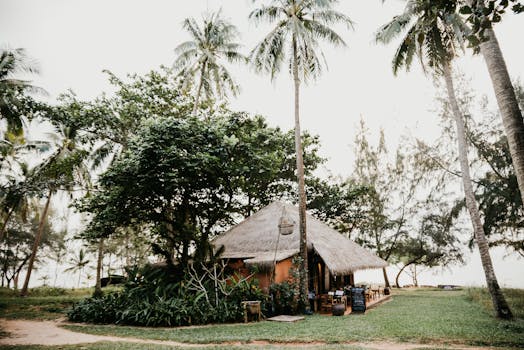
Bali, known for its stunning beaches, lush landscapes, and vibrant culture, has long been a popular tourist destination. However, the rise in tourism has also brought about environmental challenges, such as increased waste and carbon emissions. In response to these issues, eco villas in Bali have emerged as leaders in sustainable tourism, taking innovative steps to reduce their environmental impact.
One of the key ways in which eco villas in Bali are reducing their environmental impact is through the use of renewable energy sources. Many of these villas have installed solar panels on their roofs, harnessing the abundant sunlight to generate electricity. This not only reduces their reliance on fossil fuels but also helps to lower their carbon footprint. In addition, some eco villas have implemented energy-saving measures, such as LED lighting and energy-efficient appliances, further reducing their energy consumption.
Water conservation is another area where eco villas in Bali are making a difference. Bali is known for its water scarcity issues, particularly during the dry season. To address this, eco villas have implemented various water-saving measures. For instance, they have installed low-flow showerheads and toilets, as well as rainwater harvesting systems. These systems collect rainwater and store it for later use, reducing the need for groundwater extraction. Some eco villas have even gone a step further by treating and reusing wastewater for irrigation purposes.
Waste management is a significant concern in Bali, where the volume of waste generated by tourism is overwhelming. Eco villas are tackling this issue by implementing comprehensive waste management systems. They have set up recycling stations where guests can separate their waste into different categories, such as plastic, paper, and glass. Some eco villas have even partnered with local recycling facilities to ensure that the waste is properly processed. In addition, these villas are actively promoting the use of reusable products, such as refillable water bottles and cloth shopping bags, to reduce the amount of single-use plastic waste.
To further minimize their environmental impact, eco villas in Bali are embracing sustainable building practices. Many of these villas are constructed using locally sourced, natural materials, such as bamboo and reclaimed wood. These materials not only have a lower carbon footprint but also support the local economy. Additionally, eco villas are designed to maximize natural ventilation and lighting, reducing the need for artificial cooling and lighting systems. Some villas even incorporate green roofs and vertical gardens, which not only provide insulation but also contribute to biodiversity.
In conclusion, eco villas in Bali are leading the way in sustainable tourism by taking proactive measures to reduce their environmental impact. Through the use of renewable energy sources, water conservation efforts, comprehensive waste management systems, and sustainable building practices, these villas are setting an example for the tourism industry. By choosing to stay in eco villas, tourists can not only enjoy a unique and eco-friendly experience but also contribute to the preservation of Bali’s natural beauty for future generations. So, the next time you plan a trip to Bali, consider staying in an eco villa and be a part of the sustainable tourism movement.
The Role of Eco Villas in Bali in Promoting Local Communities and Culture
Bali, known for its stunning beaches, lush landscapes, and vibrant culture, has long been a popular tourist destination. However, with the rise of sustainable tourism, a new trend has emerged in the form of eco villas. These eco-friendly accommodations are not only providing a unique and immersive experience for travelers but also playing a crucial role in promoting local communities and culture.
One of the key ways in which eco villas in Bali are promoting local communities is through their commitment to sourcing local materials and supporting local artisans. Many of these villas are built using traditional Balinese techniques and materials, such as bamboo and thatch. By using these locally sourced materials, eco villas are not only reducing their carbon footprint but also supporting local businesses and preserving traditional craftsmanship.
In addition to using local materials, eco villas in Bali often collaborate with local communities to offer authentic cultural experiences to their guests. These experiences can range from traditional Balinese cooking classes to guided tours of nearby villages. By involving local communities in these activities, eco villas are not only providing employment opportunities but also helping to preserve and showcase the rich cultural heritage of Bali.
Furthermore, eco villas in Bali are also making a conscious effort to minimize their impact on the environment. Many of these accommodations have implemented sustainable practices such as rainwater harvesting, solar power, and waste management systems. By reducing their reliance on non-renewable resources and minimizing waste, eco villas are setting an example for other businesses in the tourism industry.
Another way in which eco villas in Bali are promoting local communities and culture is through their support of local initiatives and organizations. Many of these accommodations actively contribute to community development projects, such as education and healthcare programs. By investing in these initiatives, eco villas are not only improving the lives of local residents but also creating a positive ripple effect within the community.
Moreover, eco villas in Bali often prioritize hiring local staff members, providing them with stable employment and fair wages. This not only helps to empower local communities but also ensures that guests receive a genuine and authentic experience during their stay. The local staff members are often knowledgeable about the surrounding area and can provide valuable insights and recommendations to guests, further enhancing their experience.
In conclusion, eco villas in Bali are playing a significant role in promoting local communities and culture. Through their commitment to sourcing local materials, supporting local artisans, and offering authentic cultural experiences, these accommodations are helping to preserve and showcase the rich heritage of Bali. Additionally, their sustainable practices and support of local initiatives are contributing to the overall well-being of the community. By choosing to stay in an eco villa, travelers not only have the opportunity to experience the beauty of Bali but also contribute to the sustainable development of the island. So, the next time you plan a trip to Bali, consider staying in an eco villa and be a part of the movement towards sustainable tourism.Eco Villas in Bali are leading the way in sustainable tourism by implementing various environmentally-friendly practices and promoting responsible tourism. These villas prioritize the use of renewable energy sources, such as solar power, and employ sustainable building materials and techniques. They also focus on water conservation, waste management, and organic farming practices. Additionally, these eco villas actively engage with the local community and support local businesses, contributing to the overall sustainability of the region. Overall, the eco villas in Bali serve as a model for sustainable tourism practices and inspire other destinations to follow suit.