Glamping in the UK sounds simple until you start planning. Should you book a sea-view yurt in Cornwall, a shepherd’s hut in the Dales, or a remote cabin in the Highlands? And which months actually deliver good weather, quiet sites and fair prices? Pick the wrong region for the wrong season and your countryside escape can turn soggy and crowded fast.
This guide breaks down the UK region by region, from Cornwall’s long coastal season to the wild, short-lived summer of the Scottish Highlands. You’ll find out why glamping has exploded in popularity, when to book popular summer weekends, what a typical weekend stay costs, and how to choose between pods, safari tents and treehouses. By the end, you’ll know exactly where to go, when to go, and how to get the best value from your trip.
Why Glamping in the UK Is Booming
Glamping has moved firmly into the mainstream. As more travelers choose staycations over trips abroad, demand for comfortable outdoor accommodation has surged, and site owners across every UK region have responded. Villages that once had a single campsite now host yurts, pods and cabins, giving you far more choice than even a few years ago.
The range of stay types is remarkable. Safari tents with proper kitchens and wood burners suit families who want space. Cozy glamping pods work well for couples on short breaks. If you want something memorable, you’ll find treehouses perched in the canopy and traditional shepherd’s huts tucked into fields. Many sites now add hot tubs, fire pits and covered cooking areas, so the experience feels closer to a small cabin rental than a night under canvas.
No gear, no problem
The biggest draw for most first-timers is simple: no equipment required. Traditional camping means buying or borrowing a tent, sleeping bags, mats, a stove and cool boxes, then storing it all between trips. Glamping removes that investment entirely. You arrive, drop your bags, and the bed is already made.
That convenience also lowers the barrier for anyone unsure whether they’ll enjoy the outdoors at all. A one-night pod stay is a low-risk way to test the waters before committing to a longer trip. And because sites are spread across the country, you can usually find somewhere within a couple of hours of home, which keeps travel days short and leaves more time to enjoy the countryside.
Cornwall and the South West: Longest Season, Coastal Charm
Cornwall and the wider South West enjoy the mildest climate in the UK, and that shows in the glamping calendar. While much of the country shuts its sites down in early spring, the season here runs roughly April to October. That’s the longest glamping window in Britain, and it means more flexibility if your dates don’t fit the standard summer holidays.
The accommodation leans coastal. Expect yurts and safari tents positioned on farms and headlands with sea views, many within walking distance of the South West Coast Path. Mornings can start with a short cliff walk and end with fish and chips in a harbor village. Sites near popular spots fill quickly, so check how far your tent sits from the coast before booking if sea access matters to you.
Shoulder season sweet spots
May and September are the smart traveler’s months here. The weather stays warm enough for beach days and coastal walking, but the crowds that descend on Cornwall in July and August thin out considerably. School holidays are over or yet to begin, roads are calmer, and sites have more availability.
Pack with the coast in mind whatever month you choose. Sea breezes can make evenings feel cooler than inland forecasts suggest, so layers matter. A good glamping packing checklist will cover the basics, but add windproof outer layers and sturdy walking shoes for the coastal path. Even in September, the sea can stay warm enough for a swim, so a towel and swimsuit are worth the space in your bag.
Lake District and Yorkshire Dales: Classic Countryside
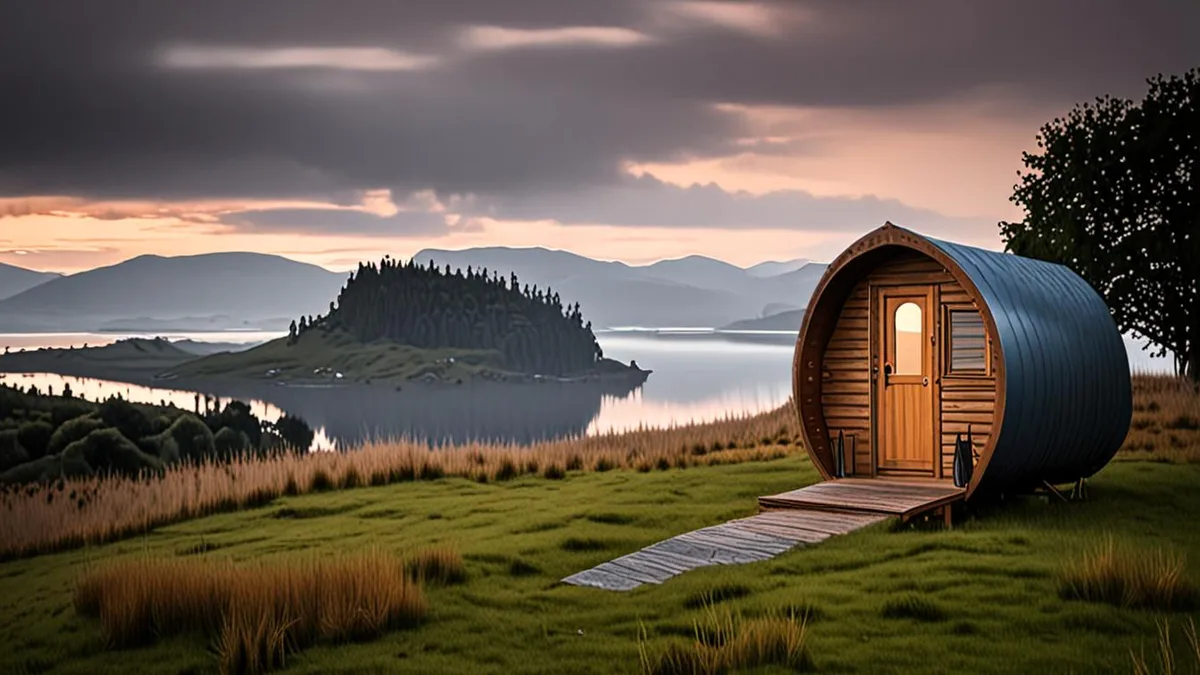
The Lake District and Yorkshire Dales are the classic English countryside, and the glamping here matches the setting. Dry stone walls, sheep-filled valleys and stone villages create the postcard scenery many travelers picture when they imagine rural Britain. Sites tend to sit on working farms at the edge of walking country, so you can often start a hike straight from your pod.
Timing matters more here than in the milder South West. The best windows are May to June or September, when trails are drier, sites are quieter and the midges and crowds of high summer haven’t peaked. The weather in these northern uplands is less predictable than Cornwall’s, so build some flexibility into your plans and pack for changeable conditions even in summer.
Shepherd’s huts and pods lead the way
The accommodation mix here is dominated by shepherd’s huts and glamping pods, and for good reason. Both suit the climate: solid walls and good insulation keep them comfortable on cool evenings, and their compact size fits neatly into small farm fields. Huts often come with wood burners and proper beds, while pods range from basic insulated cabins to larger units with kitchenettes.
What makes this region special for glamping is what surrounds your stay. Villages with welcoming pubs are rarely more than a short drive or walk away, and many sites sit close to market towns like Keswick, Ambleside or Grassington. After a day on the fells, a pub dinner and a pint beat cooking in the rain. If you’re planning a walking holiday, choose a site near a village rather than an isolated field, and check whether the local pub takes evening bookings in busy months. Base yourself well and you can leave the car parked for days at a time.
Scottish Highlands and Wales: Wild Escapes
If you want your glamping trip to feel like a genuine escape, the Scottish Highlands and Wales are hard to beat. Both regions trade convenience for scenery, and the sites tend to be smaller, quieter and further from the nearest town. That remoteness is exactly the point.
The Highland season is short, mainly May to September, so planning matters more here than almost anywhere else in the UK. June is a sweet spot: daylight hours stretch long into the evening, which means you can hike, cook outside and sit by the fire without rushing. Weather is never guaranteed in Scotland, so pack layers even in midsummer.
Where to aim in Wales
Wales offers two very different moods. Snowdonia gives you rugged mountain backdrops and walking straight from your tent door, while Pembrokeshire adds a coastal edge with clifftop paths and sandy bays. Sites in both areas typically open from spring to early autumn, with spring and early autumn offering the quietest experience.
Remote pods and cabins suit travelers chasing dark skies and solitude. Several rural areas in both regions have low light pollution, so on clear nights the stars can be a genuine highlight of the trip. Bring a red-light torch, check the moon phase before you book, and choose a site that advertises its distance from the nearest settlement if stargazing is a priority.
When to Book: Timing Your Glamping in the UK Trip
Glamping in the UK rewards early planners. The most sought-after sites, especially those with sea views, private hot tubs or a handful of units only, fill up fast for peak summer weekends. A good rule of thumb is to reserve popular summer weekends 3-6 months ahead if you have your heart set on a specific site or a large group booking.
Why shoulder months pay off
Timing your trip outside the school holidays can make a real difference to your budget. Shoulder months like May and September can be 20-30% cheaper than July and August, and you often get better weather than the price suggests. Sites are calmer too, which suits travelers who want space rather than a busy family atmosphere.
Midweek stays are the other reliable way to save. Availability is better and rates are lower year-round, and some sites offer check-in flexibility on quieter days. If your schedule allows a Monday-to-Friday trip, you can often book the same site for noticeably less than a weekend stay.
If you want to match your dates to a specific region rather than the calendar in general, it helps to see how each area’s season works. The guide on the best time to go glamping by region breaks down seasonal patterns destination by destination.
What Glamping Costs and How to Pick Your Stay
Glamping prices vary more than most people expect, so it pays to know the ballpark before you fall in love with a listing. Weekend glamping stays typically cost £100-£250 per night depending on region and season. A basic pod in the Yorkshire Dales in May sits at one end of that range; a sea-view safari tent in Cornwall in August sits firmly at the other. For a fuller breakdown of what drives those numbers, the guide on typical glamping prices explained is a useful reference.
Beyond price, the biggest decision is matching the stay type to your trip. Pods suit couples who want a cozy base with minimal fuss, while safari tents give families real space, separate bedrooms and room to spread out on rainy afternoons. Treehouses and shepherd’s huts sit somewhere in between, trading size for character.
Finally, check exactly what’s included before you book. Two sites charging similar rates can offer very different experiences, and the details below are the ones most likely to catch you out.
- Bedding: some sites make beds before arrival, others provide duvets and pillows but expect you to bring linen, so read the listing carefully.
- Cooking facilities: setups range from a full kitchen in a shared lodge to a single fire pit with a grill, which changes how you need to plan meals.
- Private bathrooms: en-suite toilets and showers are a big comfort upgrade, but many pods and tents still rely on shared facilities a short walk away.
- Heating and power: wood-burning stoves, electric heaters and USB charging points are not standard everywhere, which matters more in the Highlands than in Cornwall.
Wrapping Up Your UK Glamping Plan
Choosing your region comes down to what you want from the trip. Cornwall offers the longest season, with stays possible from roughly April to October, while the Scottish Highlands deliver the wildest scenery in a shorter window from May to September. The Lake District and Yorkshire Dales sit comfortably in between for classic countryside.
For the best mix of weather and value, aim for May or September, when conditions are often pleasant and prices can be 20-30% lower than peak summer. If you have your heart set on a July or August weekend, book 3-6 months ahead to secure the best sites. Wherever you choose, glamping in the UK makes an outdoor escape simple. Have a favorite region or a trip planned? Leave a comment or share this article.