Most of us have done it: found a room that looked good online, booked it in a hurry, and only realized halfway through the trip that the stay type itself shaped everything. The lodge vs hotel decision affects how much you pay, how far you travel each day, and even how many people you meet along the way. A room is never just a room.
This guide walks through the real differences between the two. We cover what actually defines a lodge versus a hotel, how the costs compare once meals and extras are counted, what location and access mean in practice, and how atmosphere and service style differ. We also look at when to book each type and which trips suit which stay, so you can match your accommodation to your plans instead of discovering the mismatch on arrival.
What Defines a Lodge vs Hotel Stay
A lodge is a small, nature-focused property, usually with 10 to 30 rooms or units. These places are often built with local timber and stone, designed to sit quietly in the landscape rather than dominate it. Think of a safari camp overlooking a waterhole, a timber cabin beside a lake, or a stone retreat on a mountainside. The setting is the reason the lodge exists.
A hotel, by contrast, is a larger urban property, ranging from 50 rooms to well over 500. Hotels are designed around standardised service: the same check-in process, the same room categories, the same amenities whether you arrive in June or November. That consistency is a genuine strength, especially for business travelers and short city stays.
How the rates are structured
The biggest practical difference shows up in what you actually pay for. Lodges typically bundle meals, activities and guiding into one rate, so dinner, a game drive and a walking safari may all be included. Hotels usually sell the room on its own, with dining, spa treatments, tours and parking billed separately. That structure changes how you budget, which is why it deserves its own look in the price comparison below. It also changes the daily rhythm: at a lodge, the schedule often revolves around shared meals and guided outings, while at a hotel you come and go as you please.
Price Comparison: Lodge vs Hotel Costs
On paper, hotels look cheaper. A mid-range city hotel usually costs $80 to $250 per night, and that rate covers the room only. Add restaurant dinners, airport transfers, tours and drinks, and the real nightly cost climbs quickly. Lodge rates typically run from $150 to $800 per night, with luxury safari lodges exceeding $1,000 — but those figures usually include far more than a bed.
Because lodges are typically all-inclusive or full-board, the honest comparison is total trip cost, not the sticker price on the booking page. A $400 lodge night that covers three meals, two guided activities and a transfer can undercut a $180 hotel night once you tally everything you would buy separately in town.
- Meals: at a full-board lodge, breakfast, lunch and dinner are in the rate, while hotel guests often pay $30 to $60 per person per day for equivalent dining in a city.
- Activities: guided game drives, walks and cultural visits are commonly built into lodge pricing, whereas city tours and excursions are booked and paid for separately.
- Transfers: many lodges include pickup from the nearest airstrip or town, which removes a cost city travelers handle on their own.
- Hidden extras: hotels frequently add resort fees, parking, minibar and Wi-Fi charges that never appear in the base rate.
Before booking either, list what your ideal day actually costs — food, transport, activities — and compare the all-in figure. The gap between the two stay types is usually smaller than the nightly rates suggest.
Location and Access
Lodges sit where the wildlife, wilderness or scenery is, and that usually means remoteness. A typical lodge is 30 minutes to 3 hours from the nearest airport, and reaching it may require a pre-arranged transfer, a self-drive on rough roads, or even a light aircraft hop onto a dirt airstrip. That journey is part of the experience, but it needs planning: confirm transfer options with the lodge before you book, and build buffer time into your itinerary in case of delays.
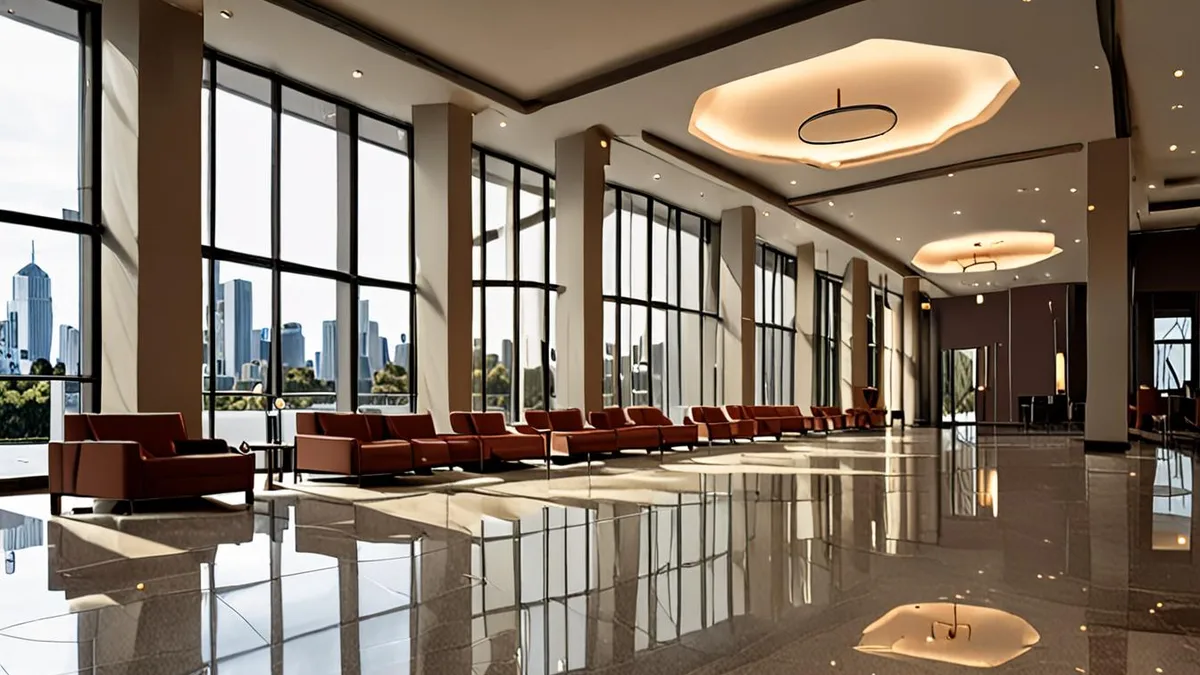
City hotels solve the opposite problem. They put you within walking distance or a short ride of restaurants, museums, transit and nightlife. You can land, drop your bags and be at a gallery or dinner table within the hour, with no transfers to arrange and no schedule to follow.
Matching location to your purpose
The rule of thumb is simple: choose a lodge when the destination itself is nature — a national park, a lake, a mountain range — and the stay is the point of the trip. Choose a hotel when the city is the attraction and you want flexibility to explore on foot. If you spend your days in meetings or museums, a remote lodge adds hours of travel for little benefit. If you have flown a long way to watch wildlife at dawn, a downtown hotel defeats the purpose. Let the reason for your trip decide the address.
Atmosphere, Space and Service Style
Walk into a lodge and the first thing you notice is the quiet. With only a handful of other guests around, the shared spaces feel more like a friend’s living room than a lobby. Expect fire pits for evening drinks, wide decks facing the water or the bush, and communal dining tables where conversation with strangers is part of the experience.
Service at a lodge is personal by design. Because guest numbers are small, the staff learn your name, your dietary preferences and which animals you still hope to see. Your guide for the morning game drive is often the same person pouring your coffee at dinner, which creates a continuity you rarely find elsewhere.
The hotel rhythm
Hotels run on consistency. A 200-room property delivers the same check-in experience for every guest, every day, backed by departments that each handle one thing well: housekeeping, concierge, room service, events. You get 24-hour front desks, gyms, pools and business facilities that a remote lodge simply cannot support.
Neither style is better; they serve different moods. If you want to feel like a guest in someone’s home, choose a lodge. If you want things to work exactly as expected, at any hour, a hotel delivers.
When to Book: Timing for Lodges and Hotels
Lodges and hotels live on very different booking calendars, and understanding that difference can save you both money and disappointment. Because lodges have far fewer units, often just a handful of rooms or cottages, a handful of late bookings can fill an entire property, especially in high-demand wildlife regions. City hotels, with their much larger room counts, absorb last-minute travelers far more easily, which is why their booking rules are so much more relaxed.
For safari lodges, plan far ahead. Peak season in East Africa runs from June to October, when wildlife viewing is at its best, and the most sought-after properties are typically booked 6 to 12 months in advance. Waiting until a few weeks before your trip usually means choosing from whatever units remain, not the ones you actually wanted. If you have your heart set on a specific lodge or a particular view, early booking is the only reliable way to secure it.
City stays are far more forgiving. Outside major events and holidays, you can usually book a hotel 2 to 8 weeks ahead and still find good availability at reasonable rates. That flexibility makes hotels a natural fit for shorter trips or spontaneous getaways.
Quick timing tips
- Shoulder-season lodges: March to May in East Africa brings lower rates and fewer guests, plus greener landscapes that photographers love.
- Shoulder-season trade-off: Rain is more likely in these months, so some roads and walking trails can be muddier than in peak season.
- Event watch: Conferences, festivals and public holidays can empty a city hotel’s inventory fast, so check the local events calendar before booking late.
- Group trips: If you need several lodge units for family or friends, add extra lead time, since small properties have limited capacity for parties traveling together.
Which Stay Type Fits Your Trip
The best stay type depends less on the property and more on the trip you are actually taking. Some journeys are built around immersion, while others need flexibility and speed.
Choose a lodge when the experience is the point
Lodges shine on honeymoons, wildlife trips, photography tours and digital detox getaways. The remote setting, small guest numbers and bundled guiding mean everything is arranged for you, so your days revolve around the landscape rather than logistics. These trips also reward longer stays: three or more nights give you time to settle into the rhythm, and guides can pace the activities around your interests.
Choose a hotel when the destination is urban
Hotels fit city breaks, business travel, short stopovers and family trips that need flexibility. Being within walking distance or a short ride of restaurants, museums and transit lets you change plans on a whim, and paying separately for meals suits travelers who want to eat out every night. One or two nights is exactly what hotels are built for; check in, drop your bags and get on with the city.
If your itinerary mixes both, there is no rule against it. Many travelers pair a few hotel nights in the arrival city with a lodge stay in the countryside, getting the strengths of each where they matter most.
Wrapping Up the Lodge vs Hotel Choice
Most of us have grabbed the first decent room we found, only to realize mid-trip that the choice of accommodation had quietly defined the entire experience. That is the real lodge vs hotel question: not which property, but which style of stay matches your trip. Lodges trade location and flexibility for immersion, all-inclusive value and small-scale service. Hotels trade atmosphere for convenience, predictable pricing and easy city access.
The right answer comes down to three things: your destination, your budget range and how long you plan to stay. A wildlife trip deep in nature points one way; a two-night city break points the other. Decide that before you start searching, and the booking itself becomes simple. If this helped you think it through, leave a comment or share the article with a fellow traveler.