Searching for a trip online, you keep running into the word “lodge.” One result shows a timber cabin by a trout stream, the next a luxury tented camp on the savanna, and a third a slopeside building with a roaring fireplace. So what is a lodge, exactly, and what should you expect when you pull up to one?
The honest answer is that the label covers a wide range of properties, but most share a few traits: a natural setting, a main building for meals and lounging, and rates that often bundle in activities. This guide breaks down the main types – safari lodges, mountain and ski lodges, and fishing, hunting and wilderness lodges – then walks you through the arrival routine, from check-in times to meal schedules. It closes with practical advice on how to choose and book the right lodge, so you know what your rate actually covers before you commit.
What Is a Lodge? The Simple Definition
A lodge is accommodation built around a natural setting – a forest, lake, savanna or mountain – rather than an urban address. That is the core idea that separates it from a hotel or a city resort. The location is not just scenery; it usually shapes the whole stay, from the activities on offer to how you get there.
The layout you’ll usually find
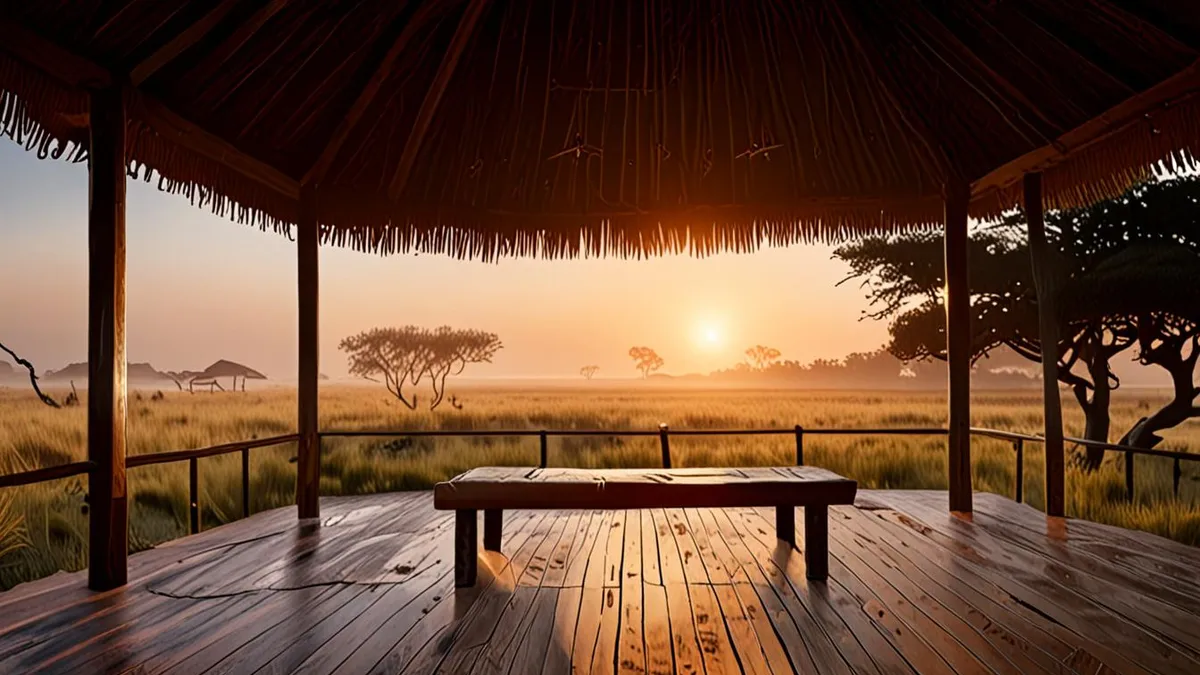
Most lodges are low-rise, and many follow a similar blueprint: a shared main building that houses the dining room, bar and lounge, plus individual guest rooms or standalone cabins spread around the grounds. In safari country, those rooms are often tented suites; in the mountains, they may be timber chalets. Either way, the main building becomes the social heart of the property, where guests gather for meals and evening drinks.
Why the label alone tells you little
Here is where travelers get tripped up. The word covers everything from a $100 fishing cabin to a $1,500-a-night safari camp, so context matters far more than the label itself. A roadside “lodge” in a ski town might be a simple motel-style room, while a remote wilderness lodge may be an all-inclusive operation with guides, boats and floatplane transfers built into the price. Before booking, look past the name and check the setting, the room setup and, above all, what the rate includes. That combination will tell you far more about the experience than the word “lodge” ever will.
Safari Lodges
Safari lodges sit at the high end of the lodge spectrum, and their pricing reflects it. Rates at mid-range properties start well below what luxury all-inclusive camps charge, so the spread between an affordable tented camp and a top-end private concession is enormous. The good news is that most rates are genuinely all-inclusive: meals, twice-daily game drives and transfers from the nearest airstrip are usually bundled in, so you rarely reach for your wallet once you arrive. As always, confirm exactly what your rate covers before you book, since premium drinks and gratuities are commonly billed separately.
Timing your trip around the wildlife
Wildlife viewing is best in the dry season, when animals gather at water sources and vegetation thins out. In East Africa, that window runs from June through October; in Southern Africa, it stretches from May through October. Traveling in these months also means drier roads and more reliable game driving, though it is peak season, so availability tightens and rates climb. If your dates are fixed, book as far ahead as you can, and if you have flexibility, shoulder-season months can offer good sightings with fewer vehicles around.
How the days actually work
Expect daily guided drives at dawn and dusk, when animals are most active, rather than self-guided exploring. Almost all lodges require you to join a professional guide in an open vehicle – walking alone or driving yourself is generally not permitted in wildlife areas. A typical day starts with an early wake-up call and coffee before the morning drive, followed by brunch, downtime during the midday heat, and a second drive in the late afternoon that ends with a sundowner drink. It is a structured rhythm, but it is built around giving you the best possible chance of memorable sightings.
Mountain and Ski Lodges
Mountain and ski lodges trade full resort facilities for location and atmosphere. Instead of multiple restaurants, spas and pools, you typically get shared lounges, fireplaces and direct ski-in or trail access – the ability to clip into your skis steps from the door. That proximity to the slopes or trailhead is usually the main reason travelers choose a lodge over a standard hotel.
Booking timing matters more here than at almost any other lodge type. The December-March ski season is short and concentrated, and rooms at popular resorts commonly sell out 3-6 months in advance. If you have your heart set on a specific lodge during peak weeks, booking early is less a suggestion than a requirement.
Dining is another area where mountain lodges differ from city hotels, especially in remote alpine locations. Half-board or family-style dining is common, meaning dinner is often a set meal served at a fixed time, with guests eating together around communal or long tables.
- Boot rooms and drying areas: most lodges provide heated storage for skis, boots and wet gear, so you rarely haul equipment to your room.
- Après-ski culture: the shared lounge or bar often becomes the evening social hub, and at smaller lodges guests tend to swap trail reports and stories over drinks.
- Limited food options nearby: in remote alpine spots there may be no restaurants within walking distance, which is exactly why half-board plans are so widespread.
- Weather-dependent access: heavy snow can affect road access and parking, so travelers arriving by car should check conditions and whether the lodge offers shuttles.
Fishing, Hunting and Wilderness Lodges
Fishing, hunting and wilderness lodges are built around one thing: access to water, game or untouched country. In Canada and Alaska, most of these operations run seasonally, mainly from May through September, when lakes are ice-free and fish are active. Outside that window, many lodges close entirely or operate only limited programs, so your travel dates are largely dictated by the season rather than your schedule.
What a package typically covers
Unlike a hotel where you pay per room and add extras, these lodges usually price per person, and the package bundles nearly everything. A typical rate includes guided fishing or hunting outings, use of boats and equipment, all meals, and often accommodation in simple cabins or a main lodge. Some packages also cover licenses and gear, while others expect you to bring your own rods, tackle or firearms, so read the inclusions carefully before booking. Gratuities for guides and staff are usually extra, as are premium drinks.
Getting there is part of the trip
Access is often the memorable part. Many remote lodges are reached by floatplane or bush plane, with light aircraft transfers of roughly 30-90 minutes from the nearest regional airport. These flights operate in daylight and good weather, so build buffer time into your itinerary in case of delays. Confirm luggage limits with the operator before you pack, since small aircraft have strict weight allowances, and soft duffel bags are almost always preferred over hard suitcases.
What to Expect on Arrival: Check-In, Meals and Daily Rhythm
Arriving at a lodge feels very different from checking into a city hotel, especially in remote locations where the staff essentially run your whole day. There is no lobby full of taxis, no room service menu on the nightstand, and often no reception desk in the traditional sense. Instead, you step into a small community with its own rhythm, and the smoother you understand that rhythm, the better your stay will be. Knowing the routine in advance also helps you plan flights and connections realistically, because many lodges schedule arrivals around shared transfers or fixed activity times. Here is what to expect when you arrive.
- Check-in and welcome. Check-in at most lodges typically runs between 2 and 4 pm, with check-out around 10 or 11 am. You will often be greeted with a welcome drink, shown to your room, and given a briefing covering meal times, activity schedules and safety basics. At safari camps this briefing may include rules about walking between tents after dark, which are worth listening to carefully.
- Learn the daily rhythm. Remote lodges run on fixed schedules rather than flexible dining hours. Expect a dawn departure for the day’s main activity, lunch back at the lodge or in the field, an afternoon activity, and dinner at a set time. Missing the morning departure usually means missing that day’s outing, so set an alarm and lay out your gear the night before.
- Confirm your logistics. Staff usually handle luggage, activity bookings and transfers, so use check-in to confirm your departure details: when your transfer leaves, where to be, and how your bags will be moved. Many remote lodges are reached by light aircraft, so timing matters and delays can ripple through the whole schedule. This is also the moment to book or adjust activities while slots are still open.
- Ask about extras. Clarify what is included before you order anything, since drinks, laundry and special excursions may carry separate charges. Even at lodges with broadly inclusive rates, gratuities and premium drinks are commonly billed separately, so a quick question at check-in avoids an awkward bill at the end.
The main adjustment for most travelers is the fixed schedule itself. There is little room for sleeping in or wandering off for a late lunch, but in exchange you get a well-organized stay where everything from meals to transfers is handled for you. Arrive rested, confirm the details at the front desk, and let the routine carry the trip.
How to Choose and Book the Right Lodge
The biggest mistake travelers make is shopping by price before deciding what kind of trip they actually want. A lodge’s value comes from its setting and included experiences, so start by matching the lodge type to your goal. If the priority is wildlife, focus on safari lodges; if it is skiing, look at mountain lodges with trail access; if it is fishing or boating, target wilderness lodges on the right water. Only after the type is settled should you compare rates, because a cheaper lodge of the wrong kind is no bargain at all.
Timing matters as much as choice. For safari and wilderness lodges, book 6 to 12 months ahead for peak-season dates, when the best guides, cabins and camps fill first. Ski lodges follow a similar pattern, so reserve well before the December-March season if you want a room at a popular resort. When in doubt, ask the lodge directly how far ahead their peak dates typically fill.
Before you pay, dig into exactly what the rate covers. All-inclusive plans usually cover meals, activities and transfers but exclude gratuities and premium drinks. A few specific things to verify:
- Transfers: confirm whether airport or floatplane transfers are included, since remote lodges often charge for them separately.
- Equipment: some fishing and hunting packages include gear and licenses, while others require you to arrive with your own kit.
- Drinks policy: house drinks may be included while premium wines and spirits are billed to your room.
- Tipping: budget for gratuities to guides and staff, which are rarely part of the quoted rate.
A short email to the lodge asking these questions before booking usually pays for itself in avoided surprises, and the answers tell you a lot about how the operation is run.
The Bottom Line
So, what is a lodge? At its heart, a lodge puts the landscape first: the forest, lake, savanna or mountain is the reason the place exists, and that setting shapes everything from the price to the daily schedule. A lodge is defined by its natural surroundings and included experiences, not a fixed price point, which is why the same word can describe a simple fishing cabin and a luxury safari camp.
The practical takeaway is that safari, ski and wilderness lodges each follow different seasons and booking rhythms, so match the type to your goal before comparing rates. Knowing the arrival routine and what the rate covers removes most surprises, especially at remote properties where meals and activities run on fixed times. If this helped you decode your next search, leave a comment or share the article with a fellow traveler.