Two travelers book the same word, “lodge,” and walk into completely different holidays. One finds a two-bedroom suite, a kids’ club and a dining room full of families comparing safari stories. The other finds a private deck, a plunge pool and a hush that lasts from sundowner to breakfast. Same word, wildly different stay, and often no refund once you realize you picked wrong.
That’s why it pays to sort out family lodges vs couples lodges before you pay a deposit. In this guide, we break down the core difference between the two, who each type suits best, and how rooms, layouts and daily schedules differ. We also compare what you’ll pay and how far ahead to book, then finish with a quick checklist and the bottom line, so you can match the lodge to your group with confidence.
Family Lodges vs Couples Lodges: The Core Difference
The clearest way to understand family lodges vs couples lodges is to look at what each one is built around. Family lodges are designed around shared space. Units typically sleep 4-6 guests, often with two bedrooms and a shared lounge, so parents, kids and sometimes grandparents can stay together comfortably. Dining is communal, activities are designed for mixed ages, and the whole rhythm of the day assumes children are around.
Couples lodges are designed around privacy. Units usually cap occupancy at 2 adults, and the space budget goes into secluded decks, private dining spots and quiet corners rather than extra bedrooms. Many of these properties refuse children under 12-16 entirely, which is what creates the calm, adults-only atmosphere guests are paying for.
It’s in the house rules, not just the floor plan
The difference shows up in the rules as much as in the room layout. Family lodges may have play areas, flexible meal times and noise that carries; couples lodges often enforce quiet hours and minimum-age policies. Before booking, check the child age minimum, the quiet-hour policy and whether the lodge explicitly welcomes your group type, because a beautiful room can’t fix a mismatched atmosphere.
Who Each Lodge Type Suits Best
Family lodges fit best when children are old enough to enjoy the activities but young enough to need supervision, roughly ages 4-16. They also suit multi-generational trips, where grandparents want to share meals and game drives with everyone under one roof, and groups of friends traveling together who value shared lounge space over romance. If your group sits somewhere in between, think about how much structure you want: family lodges tend to run on a set daily rhythm, which some travelers love and others find restrictive. If you’re weighing lodges against other accommodation types, our guide to lodge vs hotel: which stay type suits your trip covers the broader decision.
Couples lodges suit honeymooners and anniversary trips first, but they also fit any traveler who wants quiet around the pool and dining areas. And here’s a point many people miss: you don’t need to be a couple to book one. Solo travelers and pairs of friends who want solitude without children around are often welcome, as long as the adults-only policy is the draw rather than a dealbreaker. Just check the atmosphere matches your expectations before paying a deposit.
- Honeymooners: many couples lodges add perks like private dinners or a decorated unit on request, so mention the occasion when booking.
- Anniversary travelers: a lodge that caps occupancy at 2 adults naturally keeps pools and decks calm, which suits a milestone trip better than a family-heavy property.
- Solo travelers: single occupancy is usually accepted at couples lodges, but confirm whether a single supplement applies before you commit.
- Friends traveling as a pair: two friends sharing a two-person unit works at most couples lodges, though some market themselves specifically to romantic stays, so read the tone of the website.
Rooms, Space and Layout to Compare
Room layout is where the two lodge types diverge most sharply, so scrutinize the description before you book. Some “family units” are true two-bedroom suites with a shared lounge, giving everyone privacy and space. Others are simply one room with extra beds and a sofa, which gets cramped fast when you’re traveling with teens or grandparents. Ask the lodge directly which one you’re getting, and request the unit’s floor plan if the website is vague.
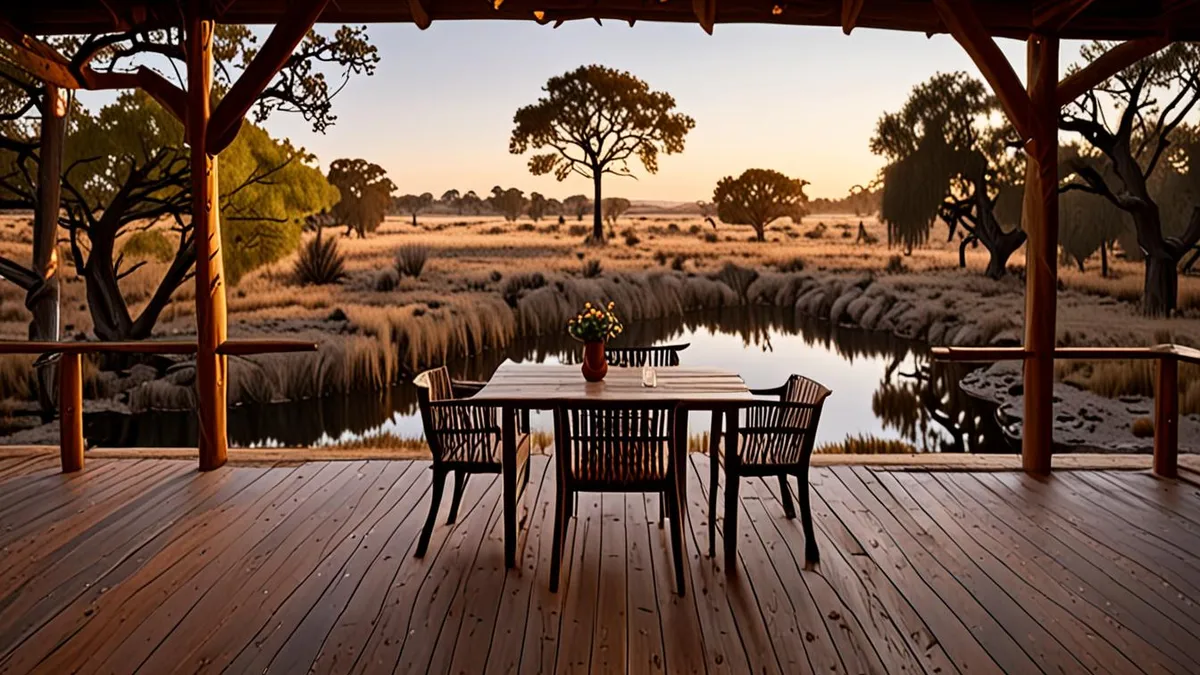
Couples lodges spend their square footage differently. Instead of extra bedrooms, they invest in private decks, plunge pools and outdoor baths, because the guest count never goes above 2 adults. That’s the trade: less space to spread out, far more atmosphere per square meter.
If your group is bigger than one unit sleeps
Standard family units typically sleep 4-6 guests, so larger groups need a plan. Ask about interconnecting rooms, adjacent units or whether the lodge can guarantee your party stays close together. Booking two separate units at opposite ends of the property defeats the purpose of a shared-family stay.
- Confirm bed configurations: some family units mix a double with bunk beds, which works for young kids but not for two adult couples sharing.
- Ask about bathroom count: a two-bedroom unit with one bathroom creates morning bottlenecks; two bathrooms change the whole stay.
- Check lounge vs veranda space: if the unit’s shared space is outdoors, verify it’s covered for rainy afternoons with children inside.
Activities, Noise Levels and Daily Rhythm
The daily schedule is where the difference between lodge types becomes obvious. Family lodges are built around structured days: kids’ clubs with supervised crafts and games, junior ranger programs for children roughly aged 4-12, and game drives that leave early and return before attention spans run out. The rhythm is predictable, which parents tend to love and which keeps children engaged rather than restless.
Couples lodges run on a looser clock. Instead of a fixed children’s program, you’ll find private dinners arranged on your deck, sundowner stops timed to the light rather than a schedule, and game drives that can run later in the morning. Many couples lodges offer flexible drive times precisely because there is no set children’s timetable to work around. Ask your ranger or manager the night before what time suits you; at these lodges, that request is normal.
How much noise should you expect?
Noise tolerance is a fair question to ask before booking. At family lodges, expect early wake-ups, excited voices at breakfast, and dedicated play areas near the main deck. That energy is part of the appeal for most guests there, but it won’t suit everyone. At couples lodges, evenings are hushed and adult-focused: low lighting, quiet conversations and a general expectation that voices stay down after dinner. If you know you need silence to relax, or you know your children will struggle to be quiet, match the lodge to that reality rather than hoping it will work out.
Price Differences and How to Book Each Type
Family lodges usually charge more per night than their standard doubles. Family-friendly units often cost 20-40% more than a standard double room at the same lodge, which can feel steep at first glance. The trick is to divide the nightly rate by the number of guests: a unit sleeping four to six people often works out cheaper per person than booking two or three separate doubles, especially for a family of four or more. If you want a fuller picture of where your money goes, this guide to what safari lodge rates actually cover breaks down meals, drives and fees.
When to book
Timing matters more for families than for couples. During peak season, which runs June through October in southern Africa, multi-bedroom family units are typically the first rooms to sell out, so book six to twelve months ahead to avoid disappointment. A lodge can still have doubles available while every family suite is gone, so don’t assume late availability means you’re safe.
Shoulder months like May and November tell a different story. These months usually bring lower rates and easier availability for larger family units, making them a smart choice for bigger groups on a budget. Couples lodges, with their two-person units, are generally easier to book last minute year-round, since there are far more doubles than family suites at any property. If your dates are flexible and you’re traveling as a pair, you can often wait; if you’re a family traveling in peak season, you can’t.
Quick Checklist Before You Commit
Before you pay a deposit, spend ten minutes confirming the details that most often cause disappointment. A quick email exchange with the lodge takes little effort now and can save you from a costly mistake later. The steps below cover the three questions worth asking every time.
- Get the child age policy in writing. Many couples lodges refuse children under 12-16, and some family lodges set minimum ages for game drives. If you’re traveling with kids, or you specifically want an adults-only stay, ask the lodge to confirm their policy by email so you have it in writing before you book. Verbal assurances from a reservations agent are harder to rely on than a written reply you can forward to your travel companions.
- Match the daily schedule to your group. Ask whether the lodge runs structured kids’ activities for ages roughly 4-12 or keeps flexible, romantic timings with later drives and private dinners. A family that wants freedom to sleep in and a couple who wants a fixed program of events will both be happier at the right fit. Also check what happens between the morning and afternoon drives, since that downtime matters most with young children.
- Compare the total cost per person, not per room. A family unit that looks expensive per night may be cheaper per person than two doubles. Then check exactly what the rate includes: all meals, game drives, park fees and drinks each carry different levels of inclusion from lodge to lodge. Ask for a written breakdown so you can compare quotes fairly.
Once these three boxes are ticked, you can book with confidence that the lodge matches your group, your budget and your expectations. Keep the email replies with your booking confirmation, and you’ll have everything you need if a question comes up before departure.
The Bottom Line
The same word, “lodge,” can lead to two very different holidays, so the answer comes down to your group before you pay. Family lodges win on space, kids’ programs and shared time together, while couples lodges win on privacy, quiet and romance. Match the lodge type to your group size, the ages in your party and how much noise and structure you actually want on holiday.
Money settles most of the remaining debate. Compare per-person costs rather than per-room rates, and remember that family units in peak season sell out far ahead, so book early if you need a multi-bedroom setup. Get those two things right and the choice usually makes itself. If this helped you decide, leave a comment or share the article with your travel companions.