If you’re planning your first safari lodge stay, you probably have a long list of questions: What time will someone knock on my door? What should I wear to dinner? Will I embarrass myself if I don’t know the unwritten rules? You’re not alone. Most first-time guests arrive with no clear picture of how a lodge day actually unfolds, from that pre-dawn wake-up call to the last drink around the fire.
This guide walks you through a typical day, step by step. We’ll cover arrival day check-in and orientation, the early morning game drive (drives usually depart between 5:30 and 6:30 am, depending on the season), the relaxed midday downtime between drives, and the late-afternoon outing with sundowners as the sun drops. We’ll also explain dinner and boma evenings, break down what lodge rates commonly run from around $250 to $1,000+ per person per night, and share how to prepare so your first safari lodge stay feels less like a mystery and more like the trip of a lifetime.
Arrival Day: Check-In, Orientation and Your First Afternoon
Arrival day sets the tone for your whole stay, and it usually unfolds the same way at most safari lodges. After a road transfer or a short flight to a nearby airstrip, you will typically be greeted at camp with a welcome drink — often a fresh juice or something cold and fizzy — while staff help with your bags. Before you even see your room, expect a short briefing: lodge rules, safety basics, and the timing of drives and meals.
Most arrivals land you at camp by mid-afternoon, which is deliberate. It gives you just enough time to settle in before the first afternoon game drive, which usually departs between 3:30 and 4:30 pm. Don’t worry if the schedule feels rushed on day one — the staff are used to first-timers and will walk you through everything.
The orientation briefing
During check-in, staff typically explain the essentials you’ll rely on for the rest of your stay: meal times, how the wake-up call system works, and radio etiquette when guides share wildlife sightings. They’ll also cover practical rules, such as staying in your room after dark or not wandering between tents unescorted — in many camps, wild animals genuinely do move through the property. A staff member will usually escort you to your room, pointing out features like the safe, charging points and how to call for help.
Your first afternoon
Once you’ve unpacked, you might have an hour or so to relax before heading to the main area for your first drive. Keep your camera and binoculars handy from the start — some guests even spot wildlife from the lodge deck on day one. The afternoon drive itself is covered in detail in the next section, but knowing that arrival day flows straight into it helps you plan: wear something comfortable for the vehicle, and skip the long shower until later.
The Dawn Wake-Up Call and Morning Game Drive
Your first full safari day starts earlier than almost any vacation you’ve taken. Somewhere between 5:30 and 6:30 am, depending on the season, a gentle knock on your door comes with a tray of tea or coffee. It feels abrupt at first, but you’ll quickly understand why: this is the best wildlife window of the entire day.
Drag yourself out of bed, pull on your layers and head to the main area. Many lodges offer a light pre-drive snack such as rusks or fruit, since the full breakfast comes later. Keep your voice low and your flashlight pointed down as you walk — other guests may still be sleeping, and the camp itself often has nocturnal visitors passing through.
Why the early start pays off
Morning drives typically run 3 to 4 hours, and the cool early hours are when the bush is most alive. Predators that hunted overnight are often still active or finishing a kill, while herbivores graze before the heat sets in. Lions, leopards and hyenas are far more likely to show themselves at this hour than at midday, when most animals shelter in the shade.
Your guide and tracker will read the roads and the bush for fresh signs — tracks, alarm calls, vultures dropping low. Dress warmly in layers, because open vehicles get genuinely cold before sunrise, even in warm months.
Radio chatter and vehicle etiquette
Rangers keep in touch by radio and share sightings across the reserve, so don’t be surprised when your vehicle suddenly changes course. That’s usually a tip-off that something good — a leopard, a cheetah, a fresh lion sighting — is a few minutes away. Expect to pause often, sometimes joining a small lineup of vehicles at a sighting.
Basic etiquette matters here: stay seated, keep voices down, never ask the driver to move closer than he judges safe, and give up your spot after a reasonable time so others can have a turn. Follow your guide’s instructions without exception — the animals are wild, and the vehicle is your safe zone. A little patience and courtesy go a long way toward a better sighting for everyone.
Breakfast and Midday Downtime at the Lodge
Back in camp after the morning drive, it is time for the meal most safari guests remember fondly: a full breakfast. Most lodges serve it from about 9 am, and it is rarely a grab-and-go affair. Expect eggs cooked to order, bacon or sausages, fresh fruit, pastries, and often a local touch like pancakes or a traditional porridge. Some camps set the table outdoors under a thatched roof, so you eat while watching elephants or antelope at a nearby waterhole.
Once breakfast winds down, the lodge settles into its quietest stretch. The hours from roughly 11 am to 3 pm are yours to use however you like, and this is by design. The midday heat sends most animals into the shade, so lodges build rest into the schedule before the afternoon drive cycle begins. There is no obligation to do anything at all, and honestly, napping through the hottest part of the day is a perfectly respectable safari activity.
If you would rather stay active, most lodges offer a few options. A light lunch is typically served around 1 pm, keeping things simple before the evening’s activities. Here is how guests commonly spend that long midday window:
- Pool time: Most lodges have a small plunge pool or main pool with loungers, often positioned to overlook a waterhole or riverbed, so you can cool off and keep wildlife spotting at the same time.
- Guided bush walks: Where offered, these are led by an armed ranger and focus on the smaller details you miss from a vehicle, like animal tracks, birds, plants and insects. Usually you sign up at breakfast or the night before.
- Spa treatments: Many lodges employ therapists, and the midday slot is the most popular time for a massage. Book early in your stay because slots fill up quickly.
- Reading decks and hideouts: Look for a shaded deck, library corner or sunken hide near a waterhole, ideal for catching up on your book or journaling about the morning’s sightings.
Afternoon Drive, Sundowners and Night Wildlife
By mid-afternoon, you have eaten, unpacked and probably cooled off in the pool. Around 3:30 to 4:30 pm, your ranger calls the camp together for the second game drive of the day, and this one has a different feel from the morning. Animals that slept through the heat start moving again, and the light turns golden just as the bush wakes up.
The sundowner stop
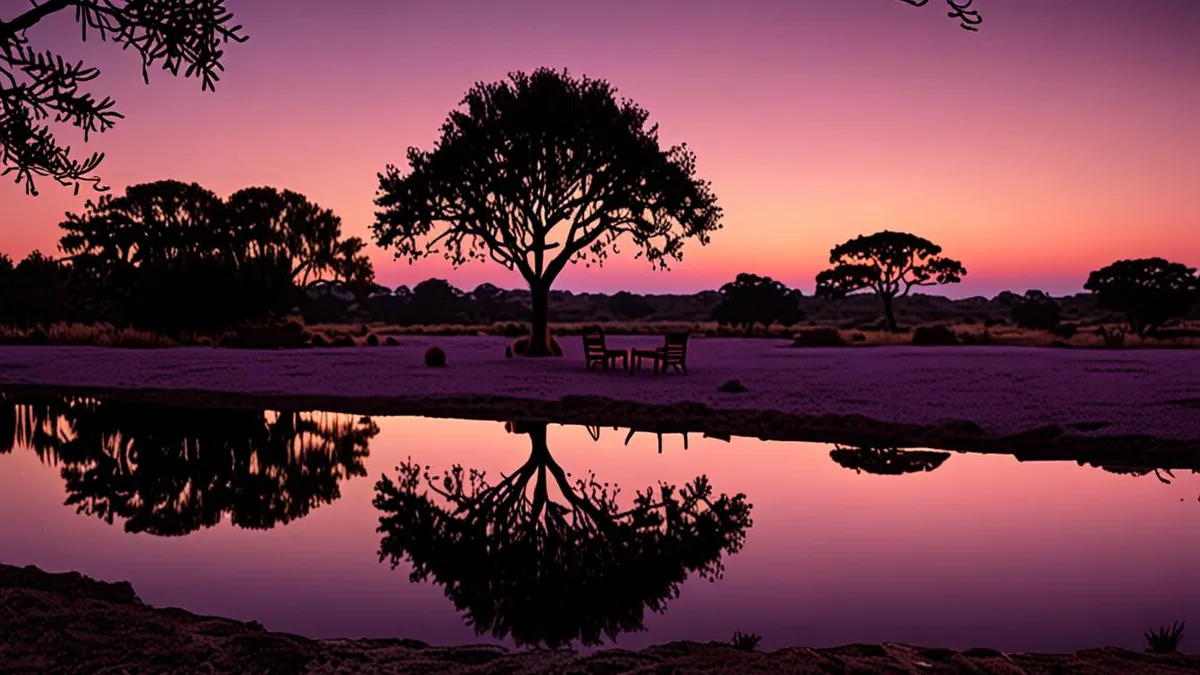
Partway through the drive, the vehicle pulls over at a scenic spot for the classic safari tradition: the sundowner. The ranger and tracker set out drinks and snacks while the sun drops toward the horizon. It sounds like a small thing, but sipping a cold drink while elephants move in the distance is one of those moments you will remember long after the trip. After the stop, the drive continues into dusk.
What the spotlight reveals
Once dark falls, your ranger may use a spotlight to search for nocturnal species. Bushbabies with their enormous eyes, genets padding along the track and owls on silent wings are all possible finds, along with whatever else the night produces. Red filters are often used to avoid startling the animals, so do not ask for a brighter beam.
You return to camp after sunset, usually by around 7 pm, which leaves just enough time to shower and change before dinner. Expect dust on everything and a healthy appetite by the time you sit down.
Dinner, Boma Evenings and Lodge Costs Explained
Dinner at a safari lodge is a social affair. Many camps seat everyone at one long table, or serve a set multi-course meal family-style, so you eat alongside your ranger and fellow guests. On other nights, the kitchen sets up around a fire or in the boma, an outdoor enclosure where food is cooked over open flames and conversation stretches late into the evening. If the idea of communal dining makes you hesitate, mention it at booking; some lodges offer private tables.
What your nightly rate actually covers
Safari lodge pricing looks high at first glance, but most rates bundle far more than a room. Meals, both daily game drives and often a selection of drinks are included, which is why full-board rates commonly run from about $250 to $1,000+ per person per night depending on the camp’s level of luxury. Understanding exactly where that money goes makes the number much easier to justify. For a full breakdown, this guide to what you really pay for at a safari lodge is worth reading before you book.
Tipping without the guesswork
Tips for guides and camp staff are usually not included in the rate. Most lodges keep it simple: a communal tip box near the front desk for general staff, and cash handed directly to your guide if you wish. Ask at check-in what the camp recommends, and set aside a small amount of cash in the local or preferred currency so you are not scrambling on the last morning.
How to Prepare for Your First Safari Lodge Stay
A little preparation makes the difference between a comfortable first safari and a cold, dusty one. Open vehicles move fast, and early mornings can be genuinely chilly even in warm months, so think in layers rather than single heavy pieces. A fleece you can pull off once the sun climbs, plus a light scarf or buff for wind and dust, will serve you better than one bulky jacket. Neutral colors also help here: dust shows less on khaki and olive than on dark or bright fabrics, and muted tones keep you unobtrusive around wildlife.
Luggage matters more than people expect too. Light aircraft transfers between camps often have strict weight and size limits, which is why soft duffel bags beat hard suitcases. Check the allowance with your operator before you pack, and leave anything you do not truly need at home or in storage at your arrival city if the lodge offers it.
Timing your booking
For the easiest wildlife viewing, aim for the dry season, roughly May to September, when animals gather around water sources and vegetation is thinner. Popular lodges in these months fill up fast, so book 6 to 12 months ahead to get your pick of rooms and dates. If you are still deciding where to stay, this practical guide to choosing a safari lodge covers the questions to ask before you commit.
What to bring
- Binoculars: a decent pair means you are never straining to tell whether that shape in the grass is a lion or a rock, and you can share sightings with your vehicle-mates.
- Camera with a zoom lens: animals rarely come close, so a lens in the 200mm-plus range gets far better shots than a phone or standard kit lens.
- Cash or card for tips and extras: gratuities, spa treatments and shop purchases are usually billed separately, so carry a little of both.
- A headlamp or small torch: paths between your room and the main area are often unlit after dark, and staff will escort you, but your own light helps with packing and reading.
- Neutral-colored clothing: khaki, olive and beige tones keep you unobtrusive on drives and hide dust better than dark or bright fabrics.
Your First Safari Lodge Stay, Summed Up
A day at a safari lodge is far less mysterious than it first seems. The rhythm is simple: a dawn game drive, a long midday rest, then an afternoon drive that carries you into sunset. Meals, drives and downtime are all structured for you, so your main job is simply to show up rested and prepared.
Once you understand the schedule, the first-day nerves tend to melt away, and what felt unfamiliar on arrival becomes the best routine of your entire trip. If this helped you picture your first lodge stay, leave a comment or share this article with a fellow traveler.