You know you want a Kruger safari, but you’re stuck deciding between a private lodge and a national park rest camp without knowing what each really offers. The private lodge vs national park rest camp debate trips up almost every first-time visitor, and for good reason: the two options deliver completely different experiences, price tags and daily rhythms, yet both promise that dream African safari.
This guide breaks the choice down piece by piece. We’ll start with the core difference between the two, then look at what you actually pay, from all-inclusive lodge rates to self-catering bungalows. You’ll see how guided drives compare with self-drive game viewing, how comfort, food and facilities stack up, and when to go and how far ahead to book. We’ll finish with how to match the choice to your trip, so you can decide with confidence instead of second-guessing yourself.
Private Lodge vs National Park Rest Camp: The Core Difference
Two very different safari models
The core difference comes down to what your nightly rate actually buys. At a private lodge, you are booking a package: the rate covers your accommodation, all your meals, and typically two guided game drives a day, one at dawn and one at dusk. You arrive, and almost everything is handled for you.
At a rest camp, you are paying only for the unit itself. Meals are on you, whether that means cooking in your bungalow’s kitchen, firing up the braai outside, or eating at the camp restaurant. The driving is on you too, since you explore the park in your own (or rented) vehicle rather than joining a guided game drive.
Where each one sits
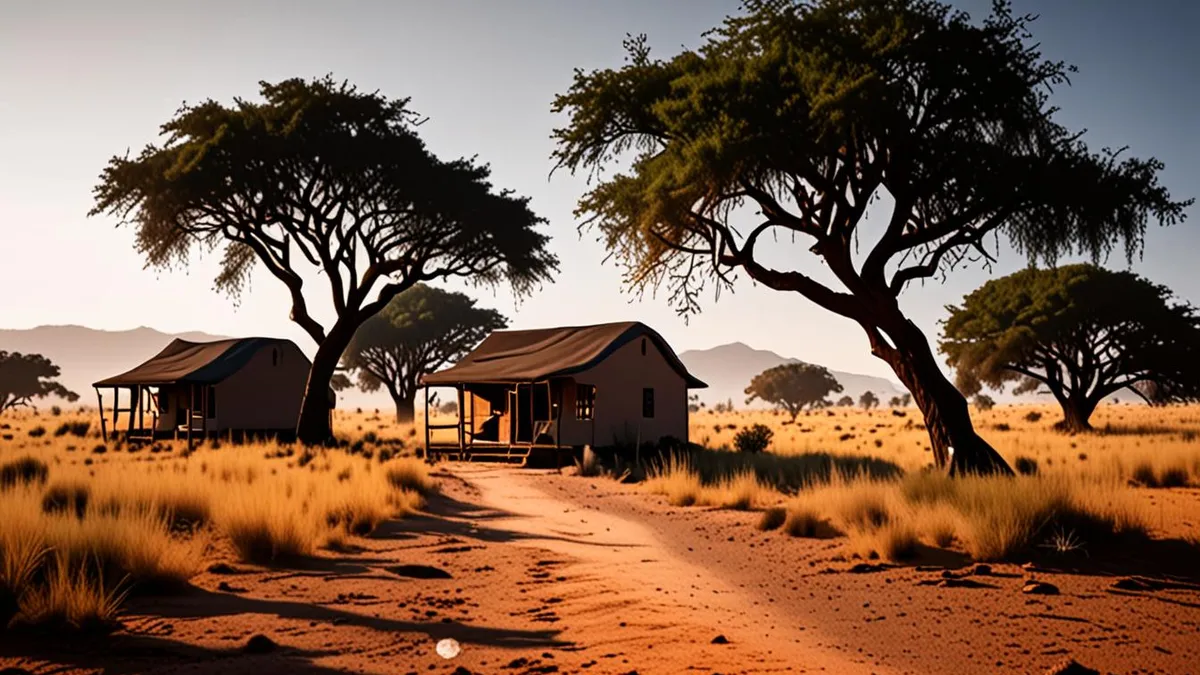
Location matters just as much as the price model. Rest camps are fenced villages located inside Kruger National Park itself, which means you wake up already in the middle of the ecosystem and can drive out to look for animals whenever the gates are open.
Private lodges sit on private concessions next to the park or on land that borders it. You generally cannot self-drive from a lodge; game viewing happens in the lodge’s open safari vehicles with a guide. That single structural difference shapes almost everything else about your stay, from how you see wildlife to how you plan your days.
What You Actually Pay
Sticker shock works in both directions here. A private lodge quote of R3,500 to R15,000+ per person per night looks enormous next to a rest camp bungalow at R1,000 to R3,500 for the whole unit. But the lodge rate bundles in meals and two guided drives, while the rest camp rate covers only the roof over your head.
To compare fairly, price the rest camp stay the way you would actually live it: groceries, braai meat, drinks, fuel for a rental car and daily park fees all stack up. Add a guided drive or two if you want that experience, and the gap narrows. For a couple, once you total everything honestly, a lodge stay typically lands at around 2 to 4 times the cost of a comparable rest camp trip. That is a real difference, but smaller than the headline rates suggest. If you want a line-by-line breakdown of where lodge money goes, this guide to what safari lodge costs really cover is useful reading.
Hidden costs cut both ways, so run your own numbers before booking:
- Rental car and fuel: a rest camp trip usually needs a hire vehicle for the whole stay, sometimes a higher-clearance model, plus fuel for many kilometers of driving.
- Food and drinks: self-catering is cheaper than lodge dining on paper, but a shop-top-up braai every night adds up, and the camp restaurant is not free either.
- Park fees and conservation levies: national parks charge daily entry or conservation fees per person, and private reserves often add their own levy, so check current rates before you budget.
- Single supplements and unit sizing: lodge rates are per person, so couples pay double, while a rest camp bungalow price covers two to four people in one unit.
- Tips and extras: at lodges, ranger and staff tips are customary and easy to forget; at rest camps, optional guided activities cost extra if you want them.
Wildlife Viewing: Guided Drives vs Self-Drive
Wildlife viewing is where the two stay types really diverge. At a private lodge, you head out in an open safari vehicle with a professional guide, often joined by a tracker sitting up front scanning for fresh signs. Guides stay in radio contact with each other, so when a leopard is found in one corner of the concession, every vehicle converges quickly. Because lodges operate on private land, they can also go off-road to follow animals into the bush, getting you close to a kill site or a sleeping pride in a way park roads never allow.
At a rest camp, you are your own guide. You drive yourself on the park’s network of tar and gravel roads, and you must stick to the rules: stay on the roads, keep your windows up near predators, and be back before the gates close. Gates open roughly 05:30–06:00 and close 17:30–18:30 depending on the season, which caps how long your game-viewing day can run. You also cannot drive at night, so nocturnal sightings are off the table.
Which style suits you?
Self-drive rewards patience and a bit of luck. Some days you’ll stumble on a wild dog pack within ten minutes; other days you’ll spend hours on dusty roads seeing little more than impala. That unpredictability is part of the charm for many repeat Kruger visitors, and it keeps costs low.
Guided drives reward consistency. With trackers, radio calls and off-road access, lodge sightings tend to come faster and closer, and the Big Five are far more likely in a single outing. If this is your first safari or you only have two or three nights, that reliability matters. For help planning around rates and availability, see our guide to the best time to book a lodge stay in Kruger.
Comfort, Food and Facilities Compared
The comfort gap between a private lodge and a rest camp is probably the biggest single difference you will feel on the ground. At a lodge, your day is fully catered: meals are served at set times, drinks appear on the deck after a drive, and someone else handles every detail. Many properties add a plunge pool, a small spa, and in the luxury tier, suites with their own private plunge pools overlooking the bush. If you want a stay that feels closer to a full-service resort than a cabin, it helps to first understand how these stays differ from ordinary hotels — see lodge vs hotel: which stay type suits your trip?
Rest camps flip the model. You book a bungalow, cottage or campsite, most with a kitchen or at least a fridge and cooking basics, and you run your own day. Bigger camps add a small shop for groceries, a restaurant, and a public pool, so you are not roughing it — but you are shopping, cooking and planning for yourself.
Here is what that means in practice:
- Braai culture: Every rest camp unit or campsite comes with braai facilities, and the evening braai is a genuine South African safari ritual — meat from the camp shop, a sunset sky, and the sound of hyenas in the distance.
- Kitchen reality: Camp kitchens are basic but functional; bring or buy your own coffee, spices and cleaning supplies, since units are not stocked like a hotel room.
- Lodge dining: Lodge meals are often shared around a long table or served as a boma dinner under the stars, which doubles as social time with other guests and your guide.
- Facilities trade-off: A rest camp pool is usually a simple communal pool near the shop, not a private plunge pool with a view — a small difference that matters more on a honeymoon than on a family trip.
In short: rest camps suit travelers who want a braai, a kitchen and independence; lodges suit those who want everything handled from dawn to dusk.
When to Go and How Far Ahead to Book
Wildlife viewing in Kruger changes dramatically with the seasons, and the same calendar applies whether you sleep in a lodge or a rest camp. The dry winter months of May to September are the classic safari window: vegetation thins out, animals gather at permanent water sources, and sightings become more concentrated and easier to spot from both a guided vehicle and your own rental car.
The green season from October to April has its own appeal. Rates drop, the bush turns lush, and many animals give birth, which means newborn impala and increased predator activity around the herds. The trade-off is thicker vegetation that makes animals harder to find, plus hotter days and afternoon thunderstorms. Photographers often love the green season for its dramatic skies and baby animals; first-timers chasing the Big Five usually get more consistent results in the dry months.
Booking windows you should plan around
Here the two stay types are more alike than you might expect. For rest camps, reserve 6 to 12 months ahead if you want June to October dates — the popular bungalows in the bigger, well-located camps are booked out remarkably early, especially over school holidays and long weekends. Campsites and smaller units sometimes free up later, but do not count on it.
Top private lodges fill on a similar timeline in peak season. The smaller properties have only a handful of suites, so a single booking wave can close out a month. If you are flexible on dates or willing to travel in the green season, you can often book both stay types much closer to your travel dates and still find space.
How to Match the Choice to Your Trip
Neither option is universally better — the right pick depends on your trip length, budget and how you want to experience wildlife. A private lodge is the natural choice for honeymoons and first safaris, and for short 2-3 night stays. With only a handful of drives available, guided vehicles with radio contact and expert trackers simply maximize every hour you have in the bush.
A rest camp makes more sense for longer trips of 5 to 10 nights, where the all-inclusive lodge rate would become difficult to sustain, and for families watching a budget. It also suits travelers who genuinely enjoy self-drive flexibility: deciding at breakfast whether to head north or south, lingering at a leopard sighting for an hour, or taking a midday break at the camp pool without anyone’s schedule to follow.
Many visitors do both. A popular pattern is 2 nights at a lodge for the guided experience and the all-inclusive ease, followed by 3-4 nights self-driving from a rest camp. You get the polished safari introduction first, then the freedom and affordability of the park itself. A few practical pointers:
- Mind the drive times: Distances inside Kruger look short on the map but take longer than expected at park speed limits — plan your lodge-to-camp transfer day generously rather than racing between gates.
- Sequence matters: Starting at the lodge means you arrive at your rest camp already knowing what to look for, and your self-drive days feel more productive.
- Stock up en route: Larger towns near the gates have full supermarkets; camp shops cover basics but not a full week of groceries, so shop before you enter the park.
- Families with young kids: Rest camps let you set your own pace around naps and meals, something fixed lodge drive times rarely accommodate.
The Bottom Line: Lodge or Rest Camp
So, which one wins? A private lodge delivers guided, all-inclusive ease: your rate of roughly R3,500 to R15,000+ per person per night covers meals and two daily game drives, and someone else handles every detail. A rest camp delivers affordable independence at about R1,000 to R3,500 per unit, with the freedom to self-drive and cook your own meals inside the park.
Neither is better in absolute terms. The right pick comes down to your budget, how long you are staying and the kind of safari experience you are after, whether that means being driven at dawn by a guide or steering your own route along Kruger’s roads. If that helped you decide, leave a comment or share this article with a travel partner.