Planning one trip that keeps grandparents, parents and kids equally happy can feel impossible. Someone wants a poolside lounger, someone wants a snorkel trip, and someone just needs a nap. Without a clear framework, a resort vacation for multigenerational groups can quickly turn into a juggling act of separate bookings, conflicting schedules and awkward money conversations.
This guide breaks the process into manageable steps. You’ll learn why a single resort works better than coordinating multiple hotels, how to choose a property that suits every age, and how to configure rooms and budgets fairly. We’ll also cover the best timing for booking and travel, how to build an itinerary that balances together time with personal space, and the logistics to sort out before you leave home. Follow these steps and your next family trip can feel relaxed instead of chaotic.
Why a Resort Vacation for Multigenerational Groups Works Best
The biggest argument for a resort vacation for multigenerational groups is simplicity. Instead of coordinating separate hotels, rental cars and dinner reservations across three or four households, everyone stays under one roof. There’s one arrival time, one set of keys and one place to find each other for breakfast. That alone removes most of the planning headaches that sink big family trips.
Budgeting becomes dramatically easier
All-inclusive pricing is the second major advantage. Meals, drinks and most activities are covered upfront, so splitting costs fairly across generations doesn’t require tracking every coffee or poolside snack. One family might eat three plates at dinner while the kids live on ice cream, but nobody has to itemize it. You agree on a rate, divide it, and move on.
Finally, on-site amenities let every generation do their own thing without anyone leaving the property. Grandparents can settle into a shaded lounger with a book while the kids are entertained at the kids club a short walk away. Parents get a genuine break, and everyone regroups at dinner with stories to share. Togetherness and independence can coexist on the same grounds, which is exactly what makes resort stays work so well for mixed-age groups.
Choosing a Resort That Suits Every Generation
Not every resort handles all ages well. Some are built for couples, others for young families, and few do both convincingly. Your goal is a property with dedicated programming for each generation, starting with kids clubs for ages 4-12 and teen programs for ages 13-17, alongside quiet adult zones where grandparents and parents can escape the splash zone.
Layout matters just as much as amenities. Walkable grounds and reliable elevator access make an enormous difference for grandparents with limited mobility, so study the resort map before booking rather than after arrival. Dining variety is another marker of a true multigenerational property: you want casual buffets for picky eaters and unhurried breakfasts, plus reservation-based restaurants for celebratory group dinners where everyone dresses up a little.
Before you commit, work through this checklist with the resort directly:
- Pool accessibility: ask whether pools have lifts or zero-entry points so wheelchair users or weaker swimmers can get in the water comfortably.
- Bathroom features: confirm that rooms offer grab bars and walk-in showers, not just step-over tubs, especially in the rooms booked for older relatives.
- Shaded lounging: look for covered palapas, cabanas or pergolas near the main pool, since unshaded loungers become unusable during midday sun.
- Kids club logistics: check whether the club is included in the rate or charged separately, and what the supervision hours look like.
A resort that answers these questions easily is usually one that genuinely hosts mixed-age families, not just one that markets to them.
Room Configurations and Budgeting for the Whole Family
Picking the right room setup
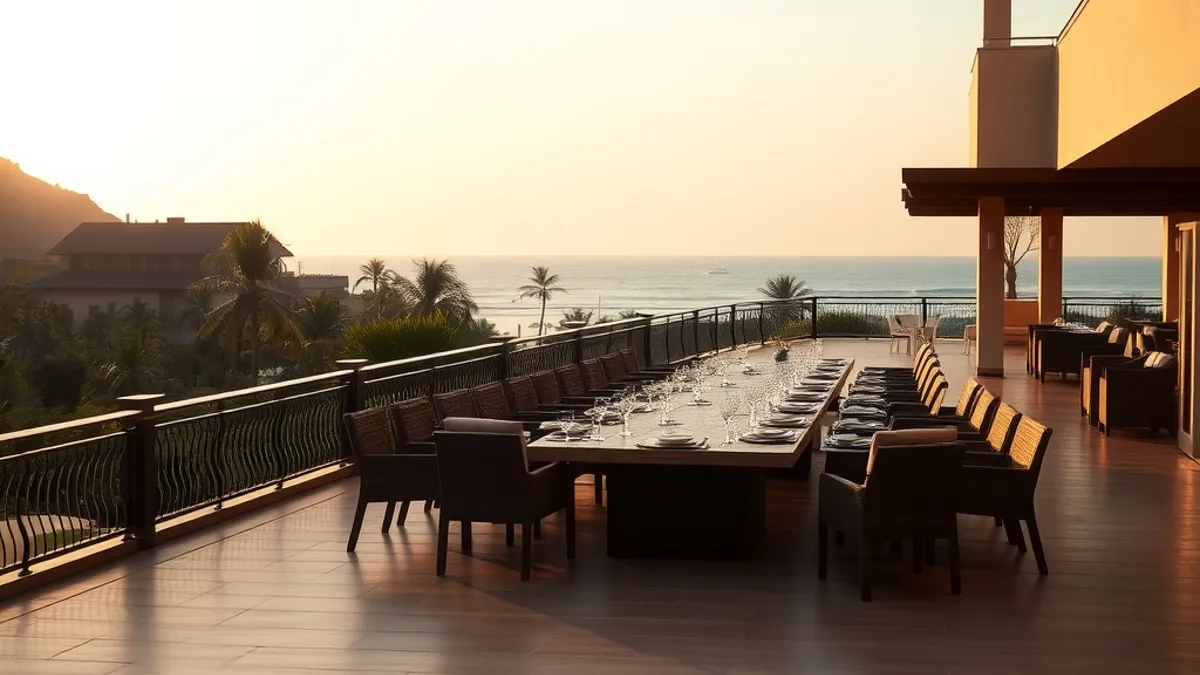
Room configuration makes or breaks a multigenerational trip. Connecting rooms let parents sleep steps from young kids while grandparents keep their own space, and multi-bedroom suites work well when a whole household wants a shared living area. Swim-out family rooms add another option, giving families direct pool access from a private terrace. Book these configurations early, since they’re the first room types to sell out for large parties.
What to expect on price
For all-inclusive group rates in Mexico, expect roughly $150-$400 per person per night depending on the season and the resort’s tier. Budget-friendly properties in the Riviera Maya tend to sit at the lower end, while luxury resorts in Los Cabos command the higher end. If you want a fuller breakdown of how pricing works, this guide to all-inclusive resort costs in Mexico walks through the details.
Don’t skip the group desk. Bookings of 10 or more rooms often qualify for discounted group rates or even comped rooms, which can meaningfully offset the total. It costs nothing to ask.
Finally, settle the money question before anyone packs a bag. Decide whether each family pays for its own rooms, whether costs are split per room, or whether everything is divided evenly across adults. Agreeing upfront prevents the awkward money conversations that can otherwise follow you all the way to the pool bar.
When to Book and When to Travel
Large groups need more lead time than a typical couples getaway. For a multigenerational trip, aim to reserve 6-12 months ahead. That window matters most when you need a block of connecting rooms or multi-bedroom suites, which are limited in number and often gone by the time peak-season rates appear.
Booking early also gives you leverage. Once your party hits 10 or more rooms, many resorts will move you to a group rate or even comp a room, but those allocations are limited and go to whoever asks first. If your dates are flexible, it pays to understand how timing affects all-inclusive resort prices in Mexico before you commit.
Timing your travel dates matters just as much as timing your booking. The shoulder seasons of late April through June and September through early November typically bring lower prices and thinner crowds, which means shorter waits at restaurants and easier poolside seating for a group of twelve.
- Check school calendars before locking dates. If grandchildren are in school, you may be limited to spring or summer breaks, which makes booking even further ahead essential for room selection.
- Watch hurricane season in coastal destinations. Late summer and early fall can mean great rates in Mexico, so review cancellation terms and consider travel insurance for the whole group.
- Confirm group perks in writing. Ask the resort to email your room block, group rate and any comped rooms so there are no surprises at check-in.
Building an Itinerary With Built-In Together Time and Space
Anchor each day with one shared activity
The easiest way to keep a big group connected without wearing everyone out is to schedule one anchor activity per day. That might be a group beach morning with sandcastles and paddleboards, a round of mini golf, or a reservation at a reservation-based restaurant for a celebratory dinner. One fixed point gives the day structure and gives grandparents and grandkids a guaranteed moment together.
Keep the anchor realistic. A 9 a.m. beach meetup works for toddlers and early risers; a 7 p.m. dinner reservation suits teens who like to sleep in. Ask the group which style they prefer before you finalize anything.
Protect the afternoons
After the anchor, let the schedule breathe. Leave afternoons open so each generation can split off naturally: grandparents can book a spa treatment or nap in a shaded cabana, parents can read by the adults-only pool, and kids can head to the kids club while teens join their own programs. This unstructured time is what prevents the trip from feeling like a forced march.
If you want an off-site adventure, plan one or two optional excursions, such as a snorkeling trip or a ruins visit, and make them opt-in. Treat them as a sign-up sheet, not a group mandate. The people who join will enjoy it more, and the people who stay back get a quieter resort day. That flexibility keeps goodwill high for the whole week.
Handling Group Logistics Before You Leave
The difference between a smooth group trip and a chaotic one is usually decided before anyone boards a plane. Start by assigning one point person per household. That person collects room preferences, dietary needs, allergies and passport details for their family and passes everything to the organizer, so you are not chasing seven different text threads.
Once your booking is confirmed, introduce yourself to the resort’s group coordinator. Most all-inclusive properties have someone dedicated to large parties, and they can arrange shared airport transfers, a long table for large-group dining, and special touches like a birthday cake or anniversary dinner. One email to them can replace a dozen separate requests.
Money is the other friction point. Set up a shared expense fund before departure to cover tips, optional excursions and souvenirs, so nobody is passing cash back and forth at the swim-up bar. A simple group payment app or a prepaid envelope system both work; just agree on the amount per adult and settle up before you travel.
- Create a shared document for details. A single spreadsheet with flight numbers, room assignments and dietary notes lets everyone self-serve instead of messaging the organizer.
- Photograph passports and travel documents. Have each point person keep digital copies of their household’s documents in case anything is lost or delayed in transit.
- Confirm the group coordinator’s contact method. Get their email or WhatsApp details so you can adjust dinner counts or transfer times when plans inevitably shift on site.
Wrapping Up Your Multigenerational Resort Plan
Bringing three generations together under one roof works best when everyone has a role in the plan. Start by choosing a property that genuinely fits all ages, not just the kids, and have an honest money conversation before anyone packs a bag. When grandparents, parents and children each know what to expect, most of the friction disappears before the trip even begins.
Timing matters just as much. Booking 6-12 months out and traveling in shoulder seasons secures the best rooms and rates, while a balanced itinerary of shared anchors and free afternoons keeps every generation happy. Follow those steps and the trip practically plans itself. If this helped you organize your own family getaway, leave a comment or share this article with someone planning their next multigenerational adventure.