Sri Lanka looks tiny on the map, but picking where to stay in Sri Lanka is trickier than the island’s size suggests. The villa areas feel like different countries: a colonial townhouse inside Galle Fort, a surf shack in Arugam Bay and a tea-planter’s bungalow above Ella might as well be on separate islands. Choose the wrong coast for your dates and you can spend a week watching rain hammer the pool instead of swimming in it.
This guide compares the main villa regions side by side: the classic south coast beaches, the east coast’s opposite-season window, the cool hill country, and the convenient Colombo and Negombo bases. For each, you’ll find the scenery, the best months, typical prices and the kind of traveler each area suits, plus a final section on matching your budget and travel style to the right spot.
Why the Area You Pick in Sri Lanka Matters More Than the Villa Itself
Sri Lanka manages to pack palm-lined beaches, misty tea hills and leopard country into an island you can drive across in a single day. That compact size is a huge advantage for villa holidays, but it hides one complication: the monsoon seasons flip between coasts. When the southwest is drenched, the east is often gloriously dry, and vice versa.
Why the wrong area ruins a good villa
A stunning villa in the wrong area at the wrong time means rain on your terrace, rough seas where you expected calm swimming water, or long drives to everything you actually came for. The villa photos will look identical year-round; the weather and the sea conditions will not. This is the single biggest mistake travelers make when booking here.
The fix is simple: choose the area first, then the villa. A modest house in the right region beats a showstopper in the wrong one every time.
What this guide covers
Below, the main villa areas are compared by scenery, season, price and traveler type. You’ll see how the south coast differs from the east, what the hill country offers, when Colombo and Negombo make sense, and how to match all of it to your budget and dates.
South Coast: Galle, Unawatuna and Mirissa for Classic Beach Villas
The south coast is Sri Lanka’s classic villa country, and for good reason. It combines the island’s most polished accommodation with easy access, reliable beaches and enough culture to fill your rest days. If it’s your first trip to Sri Lanka, this is where you’ll most likely be happiest.
Galle Fort, Unawatuna and Mirissa
Galle Fort offers something no other area can: restored colonial townhouses tucked inside Dutch-era walls, with rampart walks, boutique shops and good restaurants on the doorstep. It’s a villa stay with a whole historic town attached. Head about 45 minutes further along the coast and you reach Unawatuna and Mirissa, where palm-fringed beach villas sit minutes from the sand. Many travelers split a trip between the two: a few nights in the Fort, then a stretch of pure beach time.
If you’ve stayed in a private pool villa in Bali or elsewhere in Asia, the format will feel familiar here, though the settings lean more colonial and less tropical-resort. Think courtyards, verandas and old stone walls rather than infinity edges over jungle.
Season, prices and who it suits
The south coast is at its best December to April, when the seas are calmer and the skies clearer. Expect roughly $150-500 per night for luxury beach villas and $60-150 for comfortable mid-range options. Colombo and its international airport sit about 2 hours away on the Southern Expressway, so arrival day stays painless even with tired kids in the car.
This area suits first-timers, couples and families who want beaches plus extras like whale watching trips from Mirissa. If you want one base that balances beach, culture and food, this is it.
East Coast: Arugam Bay and Pasikuda for the May-to-September Season
When the southwest coast slides into its monsoon, the east coast picks up the baton. This is the part of Sri Lanka that most first-time visitors never see, and that’s exactly its appeal: fewer crowds, a slower rhythm and a distinctly laid-back feel.
Arugam Bay and Pasikuda
The two headline areas serve different travelers. Arugam Bay is the surf town, drawing wave-chasers from around the world during its season, with a barefoot, budget-friendly atmosphere and villas ranging from simple to stylish. Pasikuda, further north, is the opposite character: a calm, shallow bay where the water stays swimmable for long stretches, making it a strong pick for families and anyone who wants gentle sea rather than surf.
Timing and booking ahead
The east coast shines May to September, exactly the opposite window of the south coast. That makes it the natural answer if your holiday dates fall in the northern summer, or if you’ve already done the south and want something new.
One practical warning: the villa stock here is smaller and more rustic than the southwest. There simply aren’t as many high-end options, so the best places fill early. For July and August, book 3-6 months ahead rather than hoping for a late bargain.
This coast suits surfers, laid-back travelers and repeat visitors who have already seen the south and want a different side of the island. If you need polished luxury and fine dining on tap, the southwest remains the safer bet.
Hill Country: Ella and Nuwara Eliya Villas in the Tea Plantations
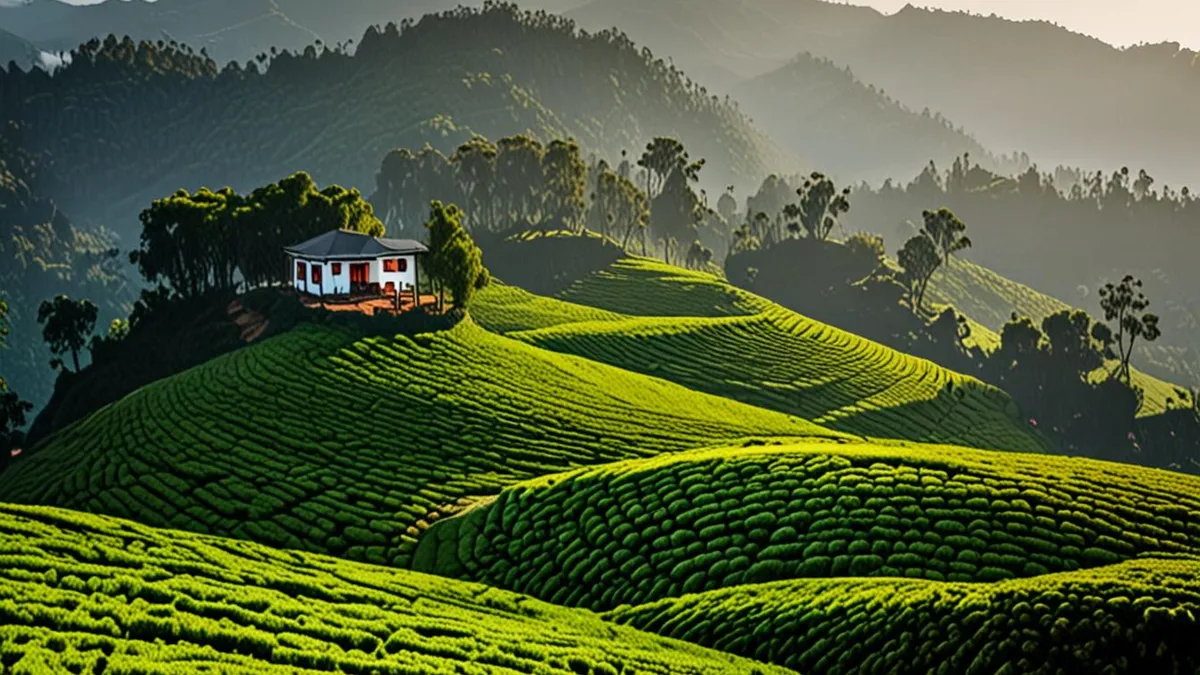
Sri Lanka’s hill country feels like a different island. While the coasts swelter, villas here sit at cooler elevations, looking out over manicured tea estates, terraced vegetable plots and valleys that fill with mist most mornings. Many are converted plantation manager’s bungalows with fireplaces, wooden floors and wraparound verandas, so you get genuine character rather than generic resort rooms.
The two main villa bases have distinct personalities. Ella is the backpacker-favorite viewpoint town, famous for hikes like Ella Rock and the walk to Little Adam’s Peak, plus the iconic nine-arch bridge nearby. Expect a livelier, more casual scene with plenty of small cafes. Nuwara Eliya, by contrast, is the colonial ‘Little England’, all Tudor-style facades, cool evenings and tea estates on the doorstep. It feels quieter and more old-fashioned.
Weather and prices in the hills
The hill country is pleasant year-round, and it is coolest and clearest from December to February, when morning mists burn off into crisp blue skies. Pack a jumper even in high season; evenings can feel genuinely cold by Sri Lankan standards.
Prices here tend to run below coastal luxury, and characterful plantation homes and estate villas often cost noticeably less than beachfront properties of similar quality. That makes the hills one of the best-value stretches of a Sri Lanka itinerary. Book early for the December-February window anyway, as the best estates have limited rooms.
This area suits hikers first and foremost, but it is also a smart pick for honeymooners wanting a change of temperature after the beach, and for travelers pairing the hills with a Yala safari. Yala’s safaris are best from February to July, with leopard sightings peaking in the dry season, so a hill-country villa slots neatly into that route.
Colombo and Negombo: Convenient Villa Bases for Short Stays
Most visitors fly into Colombo’s international airport, and for some trips it makes sense to stay near it rather than heading straight down the coast. Colombo and Negombo both work well as villa bases, but for different reasons, and neither is really a substitute for a proper beach holiday.
Colombo suits travelers who want a city villa with restaurants, rooftop bars and nightlife on the doorstep. The better villa stock sits in leafy residential neighborhoods, so you get space and quiet while staying a short tuk-tuk ride from the action. Negombo, just north of the airport, offers beach villas where you can be unpacked within minutes of landing, watching fishing boats come in from a seaside garden.
These areas are ideal for 1-2 night stopovers or business-plus-leisure trips rather than a full beach week. Rates generally run below the south coast for comparable quality, so if your itinerary includes a night or two here, you can often get more space for your money than in the main resort areas. As always, check current rates with the villa or your booking platform, since prices shift with season and demand.
- Early morning departures: if your flight leaves before dawn, a Negombo villa avoids a stressful pre-dawn transfer from the south coast.
- Late arrivals: landing in the evening? Negombo lets you sleep properly instead of traveling several hours in the dark.
- Split trips: a Colombo base works well if you are combining meetings or city sightseeing with a later move to the beach.
- Final-night laundry and repacking: city and airport-adjacent villas are practical for sorting luggage before a long flight home.
How to Match a Sri Lanka Villa Area to Your Budget and Travel Style
Picking a villa area in Sri Lanka comes down to three questions: when you are traveling, what you can spend, and what you actually want to do. The island is small, but the seasons and the villa stock differ enough that choosing in the wrong order usually leads to disappointment. Work through the steps below and the right area tends to pick itself.
- Fix your dates first, then the coast. For December-April trips, base yourself on the southwest coast. For May-September, head east to Arugam Bay or Pasikuda. The hill country works anytime, so it can slot in around either coast.
- Set a realistic budget. Mid-range villas in most areas cost roughly the same, so your money stretches further on the east coast and in the hills than on the south coast, where the top-end beachfront stock is concentrated. Decide early whether you want a simple plantation home or full beachfront luxury, because that choice narrows your options fast.
- Check your booking lead time. For the December-January peak, book 3-6 months ahead, especially for beachfront properties. Traveling in the shoulder months of November or April can save you 20-40% on rates.
- Match the area to your travel style. Families favor Pasikuda and Mirissa for calm, swimmable water. Surfers should pick Arugam Bay. Culture lovers are best based in Galle Fort, with its streets, ramparts and cafes within walking distance.
If you follow that order, season, budget and style reinforce each other instead of fighting. A family traveling in August, for example, lands naturally on Pasikuda’s calm bay, while a couple chasing luxury in January ends up with the south coast’s best beachfront pickings. A hiker with flexible dates can wait for the clearest views in the hill country between December and February, then add a Yala safari on the way down. The traveler who gets it wrong is usually the one who fell in love with a villa photo first and checked the calendar second. Do it in reverse, and you will spend your trip driving to weather that suits the villa instead of the other way around.
Choosing Where to Stay in Sri Lanka: The Quick Takeaway
Sri Lanka looks small on the map, but its villa areas feel like different countries. Pick the wrong coast in the wrong month and a dream villa can mean monsoon rain, rough seas or long drives to everything you came for.
The short version: the south coast delivers classic beaches from December to April, the east coast takes over from May to September, and the hill country offers cool air and tea views pretty much any time. Colombo and Negombo work best as short-stay or airport-adjacent bases rather than full beach holidays. Wherever you go, the same booking rules apply: reserve 3-6 months ahead for peak season and look to the shoulder months for savings. If this helped you plan your trip, leave a comment or share the article with a fellow traveler.