Planning a honeymoon should be exciting, but for most couples it quickly becomes overwhelming. You open a dozen tabs, compare hundreds of resorts, and every photo looks like paradise. The fear is real: what if you spend thousands of dollars on a place that turns out to be crowded, noisy, or nothing like the pictures? A honeymoon only happens once, and nobody wants their once-in-a-lifetime trip to become an expensive disappointment.
The good news is that learning how to choose a resort for a honeymoon comes down to a handful of practical decisions, made in the right order. In this guide, we walk through setting a realistic budget before you fall in love with a brochure, picking a destination and season that match your dates, deciding between adults-only and family-friendly properties, comparing room types and honeymoon perks, weighing all-inclusive against pay-as-you-go, and booking early with all the details confirmed. We finish with a quick checklist you can use before you click reserve.
Set Your Honeymoon Budget Before You Browse
Before you browse a single resort photo, decide how much you can actually spend per night. As a working baseline, expect $300-$800 per night for couples at mid-range to luxury honeymoon resorts. That range covers a huge variety of properties, from polished beachfront hotels to high-end all-inclusives with gourmet dining, so knowing your number keeps you shopping in the right tier.
Decide which splurges matter most
Within any budget, some upgrades move the price fast. Overwater bungalows and suites with private pools can double the nightly rate compared to a standard ocean-view room in the same destination. If a private plunge pool is the thing you will remember in ten years, budget for it and economize elsewhere. If you plan to spend your days on excursions and evenings at the main pool, that money may be better spent on a longer stay.
Protect your fund from the resort
It is easy to pour the entire honeymoon fund into the room and then scramble to pay for everything else. Budget for flights, airport transfers and excursions separately, with their own line items, so the resort does not quietly eat the whole pot. A simple spreadsheet with four columns — resort, flights, transfers, activities — will tell you instantly whether that dream suite still fits once the rest of the trip is priced in.
Pick the Right Destination and Season
Where you go matters almost as much as when you go. In Mexico and the Caribbean, December through April is peak season: you get the best weather of the year, with dry, sunny days and comfortable evenings, but you also pay the highest prices of the year. If your hearts are set on those months, expect rates at the top of every resort’s range and book well in advance.
Shoulder months stretch the budget
Traveling in the shoulder months — May, or late August through October — can cut resort rates by 20-40% for the very same room. That difference often means the difference between a garden-view suite and an ocean-front one, or a shorter stay versus a longer one. If you want ideas on timing your booking around Mexican resorts, this guide to the best time to book all-inclusive resorts in Mexico for lower prices breaks the calendar down in detail.
Know the hurricane trade-off
Hurricane season in the region runs from June through November, with the highest risk between August and October — the same months offering some of the deepest discounts. If weather certainty matters to you, avoid that August-October window entirely and pay the premium for peak season. If you are flexible and can tolerate the chance of a rainy day or a disrupted plan, the savings in shoulder months are hard to beat. Check travel insurance options either way, and confirm current conditions with your operator before you commit.
Choose Adults-Only for Peace or Family-Friendly for Value
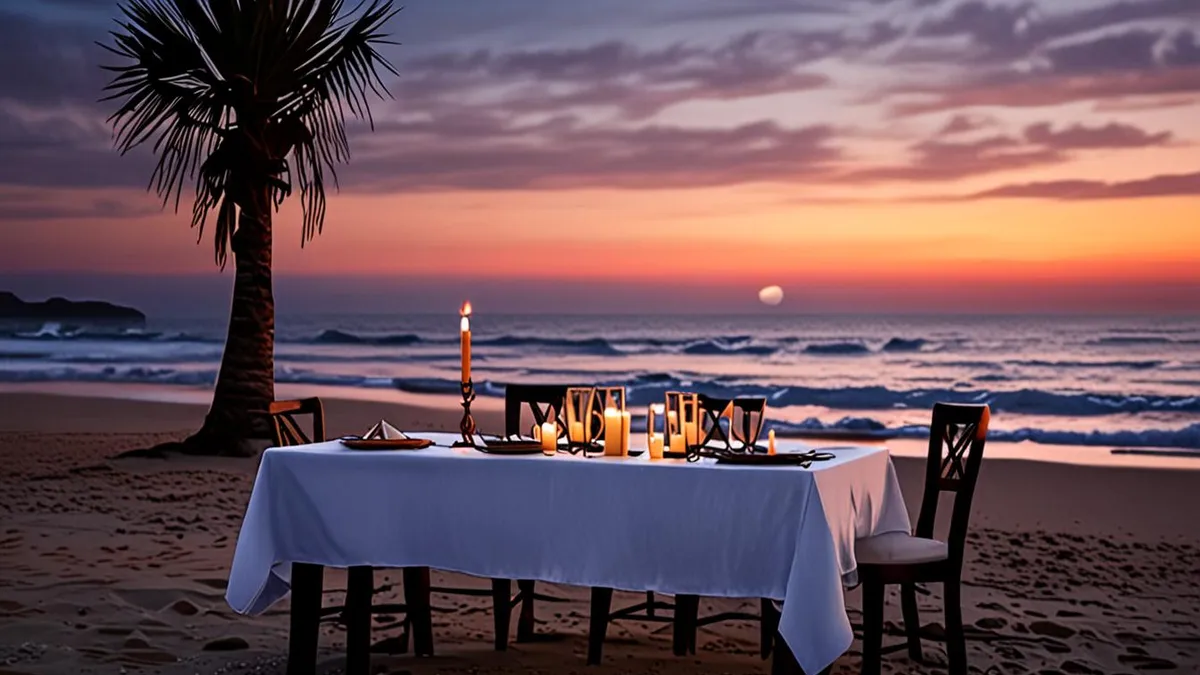
The single biggest atmosphere decision you will make is whether to book an adults-only or a family-friendly resort. Adults-only resorts guarantee quiet pools, romantic dining and no kids’ clubs — the entire property is designed around couples, from candlelit tables to swim-up bars where nobody is doing cannonballs. For most honeymoons, this is the natural fit. Family-friendly resorts, on the other hand, are typically 10-20% cheaper, but expect busier pools, livelier buffets and more noise around the main amenities.
Neither choice is wrong; it depends on the honeymoon you want. If your ideal day is sleeping in, claiming a shaded lounger and having a long dinner without interruption, the adults-only premium usually pays for itself in peace of mind. If you want to save money for excursions and don’t mind energy around the pool, a well-run family resort can be excellent value. For a closer look at the quiet option, see these adults-only all-inclusive resorts in Mexico for a peaceful retreat.
Before you book, dig into the fine print:
- Minimum age policies vary. Some “adults-oriented” resorts still allow children over a set age, so a property marketed as quiet may host teenagers during school holidays — check the exact age cutoff on the resort’s own site.
- Layout matters as much as the label. An adults-only resort with 500 rooms can feel busier than a small family property with 80; look at room counts and pool-to-guest ratios when comparing.
- Restaurant access differs by tier. At larger resorts, the most romantic à la carte restaurants sometimes reserve certain sections or booking windows for premium room categories, so confirm which dining venues are open to your room type.
Compare Room Types and Honeymoon Perks
The room you wake up in shapes your honeymoon more than any other booking detail. A standard garden room at a great resort can feel ordinary, while a swim-out suite or an overwater bungalow turns an ordinary morning into something memorable. If your budget is tight elsewhere, spend it here.
Before you book, email the resort and ask what honeymoon perks they offer. Most properties provide room upgrades, a bottle of champagne, breakfast in bed or spa credits, but many only apply them if you can show a marriage certificate dated within 6-12 months of travel. Ask exactly what documents they need and when to submit them. Couples planning a spa-heavy trip should also compare wellness facilities directly, and you can see which properties stand out in all-inclusive resorts in Mexico with standout spa services.
- Swim-out suites open directly onto a shared or private pool, so you can slip into the water from your terrace without riding an elevator or claiming loungers at dawn.
- Ocean-view balconies cost less than overwater options but still deliver sunrise coffee with a horizon; check whether the view is full ocean or a side angle past another building.
- Overwater bungalows are the classic splurge, often with glass floor panels and direct ladder access to the lagoon, and they typically command a steep premium over a standard room.
- Butler service varies widely by resort, from a phone line to a dedicated attendant who unpacks your bags and books your dinners, so ask what it actually includes before paying for a higher tier.
- Private dinners on the beach or pier often sell out days in advance, so confirm availability and booking procedures before arrival, not once you are already there.
All-Inclusive or Pay-As-You-Go for Your Honeymoon
Once you have a destination and room type in mind, decide how you want to pay for food and drinks. This single choice can swing your total cost by hundreds of dollars, and it changes the feel of the trip as much as the price.
Why couples pick all-inclusive
All-inclusive suits couples who want zero budgeting stress once they land. You order the second cocktail, the extra dessert and the poolside snacks without mentally adding up a tab. On a honeymoon, that freedom is often worth the premium, especially at resorts where meals and entertainment are the main attraction anyway.
When pay-as-you-go wins
Paying as you go can save real money if you plan to dine out and explore daily. If your itinerary is full of street food, local restaurants and day trips, you may resent paying for an all-inclusive package you barely use. Boutique hotels and villas in walkable towns often work better this way.
Whichever route you choose, compare rates on the same basis. Check exactly what drinks are included, whether premium brands cost extra, if the minibar is stocked for free and whether room service carries a fee. Two resorts with similar nightly rates can end up very far apart once these details are added in, so read the inclusions list line by line before you commit.
Book Early and Confirm the Details
Timing is the quiet advantage in honeymoon planning. Couples who book early get the better rooms, the better rates and far fewer compromises, while last-minute bookers often find the overwater bungalows and honeymoon suites already gone. The good news is that smart timing does not require insider knowledge, just a few habits that anyone can adopt before hitting the booking button.
- Reserve 6-9 months ahead for peak-season travel. If your honeymoon falls in the December-April window in the Caribbean or Mexico, the best rooms and rates go first, and early booking gives you negotiating room on perks. Ask politely about a room upgrade or a welcome bottle of champagne at the time of booking, when reservations teams have the most flexibility.
- Plan a 7-10 night stay. Long-haul flights eat a full day each way, and a shorter trip leaves you jet-lagged more days than you are relaxed. A longer stay also often unlocks better nightly rates, and some resorts throw in extras for guests staying a week or more.
- Confirm airport transfer times and distance. A resort that looks close on a map can involve a long drive or even a domestic flight plus a boat transfer. Ask your operator how long the journey takes before you finalize, especially if you land in the evening, and factor that travel time into your arrival day plans.
- Put every detail in writing. Get your honeymoon perks, room category and transfer arrangements confirmed by email so there is no confusion at check-in. Bring a printed copy as backup, since internet access at remote resorts can be spotty.
Build a simple booking file with confirmations, transfer details and perk agreements in one place, whether that is a folder on your phone or a printed binder. Include screenshots of the rates you booked, the name of anyone who promised you an upgrade and your marriage certificate if perks require proof. A little paperwork now means you spend your first evening at the resort with a drink in hand instead of on the phone sorting out a mix-up.
Your Honeymoon Resort Checklist at a Glance
Choosing a honeymoon resort does not have to feel overwhelming. Start by fixing a nightly budget of $300-$800 for a mid-range to luxury stay, then decide which splurges actually matter to you, whether that is an overwater bungalow, a private pool or a butler on call. Once money is settled, match the destination season to your dates and your tolerance for weather risk, since timing affects both the crowds and the price you pay.
From there, the rest falls into place. Choose between adults-only for peace or family-friendly for value, compare room types and honeymoon perks before you commit, and book 6-9 months out for a 7-10 night stay. Work through those steps in order and you will end up with a resort that fits your budget, your dates and your idea of romance, not an expensive disappointment. If this guide helped, leave a comment or share it with another couple planning their trip.