You’ve booked a hotel service apartment for the first time, and now you’re second-guessing yourself. Will someone clean your room? Is there a kitchen? Do you tip the front desk? The mix of apartment-style living and hotel services can feel confusing if you’ve only ever stayed in traditional hotels, and the last thing you want is a surprise fee or a missing amenity when you arrive tired after a long flight.
This guide walks you through exactly what to expect, step by step. We’ll explain what a hotel service apartment actually is and how it differs from both a regular hotel and Airbnb, break down what’s typically included in your rate, and give you realistic cost figures so you can budget with confidence. You’ll also find practical advice on when and how to book for the best deal, how to pick the right location and unit layout, and a first-timer checklist to complete before you even check in. By the end, you’ll know precisely what you’re walking into.
What Is a Hotel Service Apartment and How Does It Differ from a Hotel?
A hotel service apartment combines apartment-style living with hotel services like reception and housekeeping. In practice, that means you get a self-contained unit with its own front door, plus the reassurance of on-site staff, managed operations and services you’d associate with a hotel. You’re not renting someone’s spare room or relying on a lockbox and text messages; you’re staying in a professionally run property.
More space, real rooms
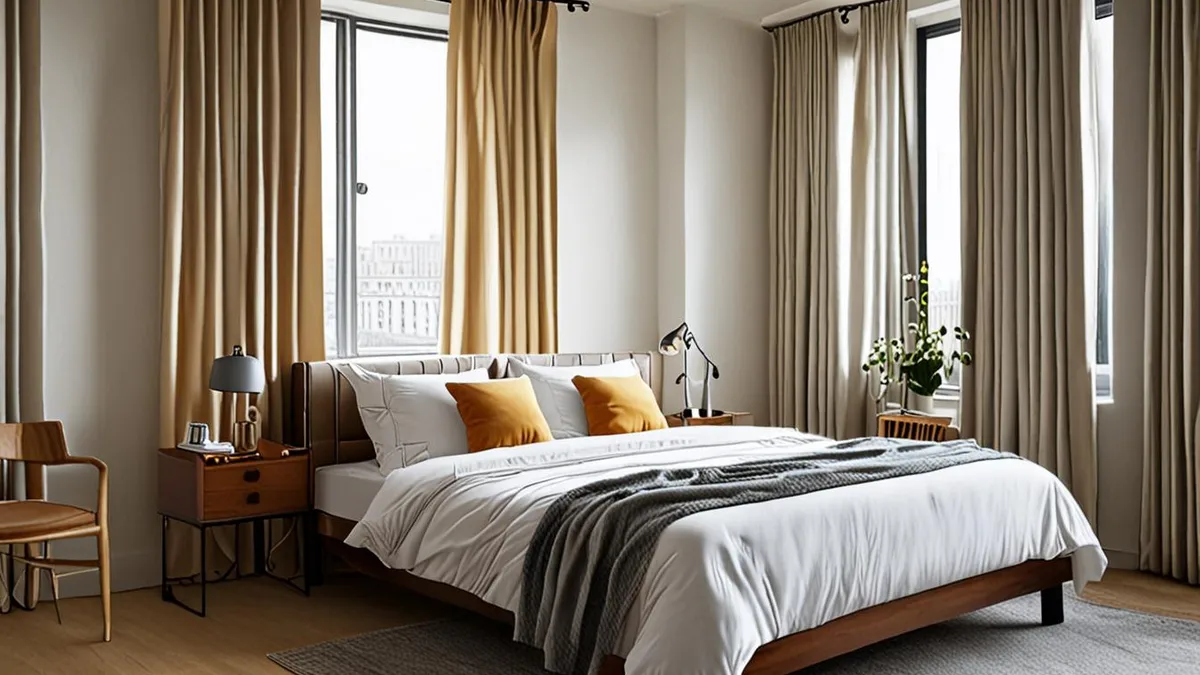
The layout is the biggest difference you’ll notice immediately. Units are typically 30-50% larger than standard hotel rooms and include separate living and sleeping areas. Instead of working from the edge of your bed, you get a living room with a sofa and often a dining table, plus a bedroom that’s actually a bedroom. For anyone staying more than a few nights, that extra space changes how the trip feels.
How it compares to Airbnb and hotels
Unlike Airbnb, serviced apartments are professionally managed with consistent standards and on-site staff. You won’t be negotiating with an individual host about check-in times or wondering whether the listing photos match reality. Standards tend to be uniform across units in the same property, and there’s someone at the property to call if something breaks.
The main trade-off compared to a hotel is flexibility around length of stay. Most properties require minimum stays of 3-7 nights, unlike hotels that rent nightly. If your trip is shorter than that, a traditional hotel may be the simpler option; if you’re staying a week or more, the serviced apartment starts to make a lot of sense.
What’s Included in the Rate: Amenities and Services to Expect
The core appeal of a serviced apartment is that the essentials of daily living are built in. Expect a full kitchen or kitchenette, washer-dryer or laundry access, and a work desk as standard in most units. A full kitchen usually means a stove, microwave and fridge, while a kitchenette may be more compact, so check the unit details if you plan to cook proper meals. The work desk matters more than you’d think if you’re mixing business with leisure, since you won’t want to balance a laptop on your knees for a week.
Most of the running costs are bundled into your rate rather than added at the end. Utilities, high-speed Wi-Fi, and access to facilities like a gym or pool are usually included, so you can stream, cook and work out without watching a meter. Larger properties also tend to have a front desk, concierge and 24-hour security, which brings a level of service closer to a hotel experience.
Housekeeping is where expectations need adjusting. Weekly housekeeping is the standard arrangement, not the daily cleaning you get in a hotel. If you want more frequent service, most properties offer it at an additional charge, often in the range of $10-30 per service for daily cleaning or fresh towels.
- Full kitchen vs. kitchenette: a full kitchen lets you cook real meals and save on restaurant bills, while a kitchenette is geared toward light meal prep like breakfast and reheating leftovers.
- Laundry access: an in-unit washer-dryer means you can pack lighter for longer trips, but some properties only offer a shared laundry room on a specific floor.
- Bundled facilities: gym, pool and common areas are typically open to all guests at no extra charge, unlike some hotels that reserve certain amenities for premium room categories.
- Housekeeping extras: beyond cleaning, extra towel and linen changes are usually treated as separate services, so confirm what each costs before adding them to your stay.
How Much Does a Hotel Service Apartment Cost?
Budgeting for your first serviced apartment stay is easier once you know the typical numbers. In most major cities, nightly rates run from $100 to $250, with prices climbing higher in prime districts close to business centers or major attractions. That range covers a wide spread of properties, from straightforward studios to larger one-bedroom units in well-located buildings, so compare what each rate actually includes before judging value.
Where the savings come from
The economics tip in your favor the longer you stay. For stays of a week or more, rates can be 20-30% cheaper per night than a comparable 4-star hotel room. Add in the bundled utilities, Wi-Fi and kitchen, and the gap widens further, since you’re also saving on restaurant meals and laundry services. If you’re curious how the high end of the hotel market prices its perks, what to expect from a 5-star hotel stay: costs and perks explained makes a useful comparison point.
Read the fine print on extras and deposits
Not every quoted rate covers everything. Check whether the quoted rate includes utilities, Wi-Fi and cleaning, as some properties itemize these and add them as separate line items on your final bill. What looks like a bargain nightly rate can grow noticeably once those charges stack up over a two-week stay.
Deposits are the other detail first-timers miss. Many properties hold a refundable security deposit of one night’s rate or more, taken as a pre-authorization on your card at check-in. The hold is released after you check out, assuming the unit is left in good condition, but it can temporarily reduce your available credit, so factor it into your travel budget and ask about the exact amount before arrival.
When and How to Book for the Best Deal
Getting the timing right matters more with serviced apartments than with regular hotels, because rates and availability shift with stay length. Unlike a standard hotel room, the same apartment can be priced differently depending on whether you stay six nights or fourteen, and the most desirable units are rarely the ones left over at the last minute. A few simple steps will help you lock in a better unit and a better price.
- Book 4-8 weeks ahead for peak season stays. The larger units with the best layouts and views tend to go first, and early booking gives you the widest choice of rates. Last-minute availability in high season is often limited to the least desirable units, such as those facing an interior courtyard or a busy street.
- Consider shoulder season dates. Traveling between the busy and quiet periods often unlocks discounted long-stay rates, and properties are usually more flexible on minimum-stay terms when occupancy is lower. If your dates are movable even by a few days, ask what a slight shift would do to the nightly rate.
- Compare the total cost for your full stay length. Pricing often changes at the 7-night and 28-night marks, so a stay of six nights might cost more per night than the same apartment booked for seven. Run the numbers for your exact dates before committing, and check whether any quoted rate already includes utilities and Wi-Fi.
- Book directly with the property. Extended-stay discounts are frequently negotiated by phone or email and never appear on booking sites. Ask about unadvertised rates for your length of stay, and get any agreed discount confirmed in writing before you pay a deposit.
The same timing logic applies to regular hotels, and the principles behind it are explained well in this guide to choosing the right booking window for lower hotel prices in Rome. Apply it to your apartment search and you will usually come out ahead. A little patience with your dates, plus one direct phone call, often saves more than any promo code.
Choosing the Right Location and Unit Layout
Location and layout make a bigger difference in a serviced apartment than in a hotel, because you will actually live in the space. Serviced apartment buildings often sit slightly off the tourist core, usually close to metro stops or business districts rather than right on the main sightseeing streets. That is good news for price and quiet, but it means you should check transit connections before booking. For a city where neighborhood choice really shapes a trip, this comparison of the best areas and neighborhoods to stay in Singapore shows how much location matters.
Layout matters just as much. A studio works well for a solo traveler on a short stay, but if you are staying more than a week, a one-bedroom unit with a separate living room makes daily life far more comfortable. Before you book, look closely at the details:
- Kitchen equipment varies widely between units. One unit may have a full stove, oven and dishwasher, while the unit next door offers only a microwave and hot plate. Check the floor plan and equipment list on the property’s website.
- Laundry setups differ too. Some units have an in-unit washer-dryer, while others rely on a shared laundry room or a paid service. Confirm which applies to your specific unit.
- Ask for a higher floor away from the elevators. In busy city buildings, a unit down the corridor from the lift bank means noticeably quieter nights.
A few minutes reviewing floor plans before you pay will save you from surprises like a kitchenette with no stove or a unit that backs onto the elevator shaft.
First-Timer Checklist Before You Check In
A little preparation before arrival makes a serviced apartment stay run smoothly, especially on your first visit. Unlike a hotel, some smaller properties have limited front desk hours, and a few details are worth confirming in advance. Because these apartments are often run with a leaner team than a full-service hotel, the answers you get by email before arrival can shape how easy your first night turns out to be. Send your questions in one message rather than several, so the property can reply in a single response with everything in writing. Work through this short checklist:
- Confirm check-in hours and reception staffing. Larger properties usually staff reception around the clock, but smaller buildings may close the desk in the evening. If you arrive late, ask how you will collect keys or access codes, and whether an after-hours check-in fee applies.
- Verify the housekeeping schedule and extra cleaning costs. Weekly housekeeping is standard, but if you want daily cleaning or fresh towels more often, ask what each extra service costs before you arrive so there are no surprises on your final bill.
- Ask what starter supplies are provided. Most properties include basic toiletries, linens and a few kitchen essentials such as salt, oil or dish soap, but the exact starter pack varies. If you plan to cook, find out whether basics like a kettle, cutting board and cookware are in the unit.
- Photograph the unit at check-in. Take clear photos of the furniture, walls, appliances and any existing damage, and keep the timestamped images until your security deposit is released. This simple step protects you if the property later claims something was broken during your stay.
Once these details are confirmed, you can arrive knowing exactly what to expect, from key collection to your first housekeeping visit. It takes ten minutes of emails and makes the whole stay easier, especially if you are landing after a long flight and simply want to walk in, drop your bags and get settled without any last-minute phone calls or confusion at the door.
Wrapping Up Your First Hotel Service Apartment Stay
A hotel service apartment is easier to book with confidence once you know the basics. Expect more space than a standard hotel room, a full kitchen or kitchenette, and utilities, Wi-Fi and building facilities bundled into the rate. Typical nightly rates run $100 to $250 in most major cities, which makes the value clear next to a comparable 4-star hotel room.
The main differences from a regular hotel come down to weekly housekeeping rather than daily cleaning, and minimum stays that usually range from 3 to 7 nights. For the best long-stay value, book 4 to 8 weeks ahead in peak season and add up what the entire stay will cost you, rather than judging by the nightly rate alone. If this guide helped you plan your first stay, leave a comment or share it with a fellow traveler.