Figuring out where to stay in Dubai is trickier than it looks. The city is enormous, and its main hotel districts can feel like completely different cities. Pick the wrong base and you could spend your trip stuck in taxis, or end up in a quiet resort area when what you really wanted was rooftop bars and late-night dinners.
This guide breaks down the four areas most travelers compare: Dubai Marina, Downtown Dubai, the beach areas of Jumeirah and Palm Jumeirah, and the budget-friendly districts of Deira and Bur Dubai. We’ll look at what each does best, how easy it is to get around, and what you can expect to pay. Then we’ll cover the best time to book, and finish with a simple way to match each area to your travel style, whether that’s sightseeing, nightlife, beach time or saving money.
Dubai Marina: Best for Nightlife, Dining and a Resort Vibe
Dubai Marina is the city at its most photogenic: a man-made waterway flanked by a dense cluster of skyscrapers, with a promenade that runs along the water for kilometers. This is where the evening action lives. Restaurants, beach clubs and bars are packed tightly together, so you can walk from dinner to a rooftop drink without ever calling a cab.
The setting and getting around
The waterfront promenade is the heart of the neighborhood, and it connects directly to Marina Beach, one of the city’s most popular stretches of public sand. Strolling along the waterway in the evening, with the towers lit up around you, is an attraction in itself. For transport, the Red Line serves the area with two metro stations, DMCC and Dubai Marina, which put much of the district within easy walking distance.
Who it suits and what it costs
Marina is best for couples and groups who want an evening scene: long dinners, beach clubs by day and bars after dark. It has a genuine resort feel without being isolated from the city. Expect 5-star hotels here to run roughly $150-400 per night in high season, with plenty of mid-range options alongside them.
The main downside is distance. Getting to Downtown attractions like Burj Khalifa takes about 25-30 minutes by car, so if your days revolve around sightseeing, factor in that commute both ways.
Downtown Dubai: Best for First-Timers and Sightseeing
If this is your first trip to Dubai and your itinerary is full of landmarks, Downtown is the most practical base. The city’s biggest sights sit within a short walk of each other here: Burj Khalifa, Dubai Mall and the Dubai Fountain shows all happen on your doorstep. You can watch the fountain performances in the evening and be back in your hotel room within minutes, which is hard to do from any other district.
Getting around from Downtown
The Burj Khalifa/Dubai Mall metro station sits on the Red Line, the same line that serves Dubai Marina and the airport corridor. That makes Downtown one of the easiest districts to reach from the airport, and it connects you directly to the Marina if you want an evening out by the water. For everything else, walkability is the real advantage: you’ll spend far less time in taxis than travelers based elsewhere.
Who it suits and what to expect
Downtown is the right choice if your days are packed with attractions and you want to minimize travel time between them. Step out of your hotel and you’re at the mall, the tower or the fountain without any planning.
The trade-off is price and variety. The hotel stock here leans firmly upscale, and there are fewer budget options than in the city’s older districts. If you’re watching costs closely, Downtown may stretch your budget; if convenience is your priority, it’s worth it.
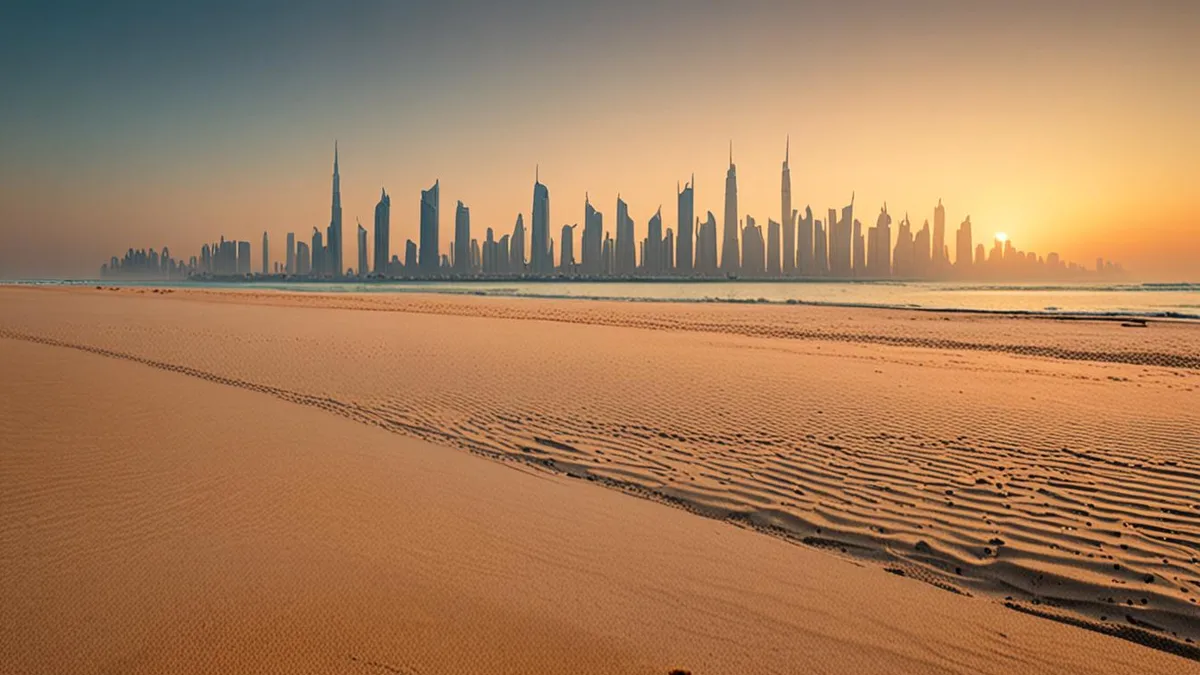
Beach Areas: Jumeirah and Palm Jumeirah for a Classic Resort Stay
For many travelers, Dubai means one thing: a beach resort with a pool, sand and sea views. That classic stay happens in two places, Jumeirah and Palm Jumeirah, and both deliver it well.
Jumeirah: beach resorts with a landmark view
Jumeirah is the long coastal district home to private beach resorts, many with direct views of the sail-shaped Burj Al Arab. It sits 15-25 minutes by car from Downtown, close enough for a sightseeing afternoon but far enough to feel like a proper escape. Expect typical 5-star beachfront rates in line with the city’s upscale districts, and check current prices for your dates.
Palm Jumeirah: the self-contained island
Palm Jumeirah is a man-made island shaped like a palm tree, packed with large resort hotels along its trunk and outer crescent. It’s ideal for travelers who plan to stay put: the best resorts here function as destinations in themselves, with private beaches, multiple pools, spas and a full roster of restaurants, so you can easily spend a week without leaving the property.
The flagship properties on the Palm sit at the top end of the city’s resort pricing, so a premium is normal, particularly over high season. If that stretches your budget, compare smaller beachfront hotels along Jumeirah beach instead.
The trade-off is transport. Metro connections are few, so most of your movement will be by taxi or ride-hailing. If you do want to sightsee regularly, build that car time into your plans, or accept that your trip will be mostly about the resort itself.
Budget-Friendly Alternatives: Deira and Bur Dubai
If your priority is keeping costs down without giving up the Dubai experience, the older districts of Deira and Bur Dubai are where you should look. These neighborhoods sit near Dubai Creek, the historic heart of the city where trade started long before the skyscrapers went up. This is also where you will find the city’s widest choice of budget and mid-range hotels, with plenty of solid options in the roughly $50-120 per night range.
Getting around is easier than many visitors expect. Both districts have good metro coverage, with stations on the Red and Green Lines, so you can reach many parts of the city without ever hailing a cab. The trade-off is distance: attractions like Downtown Dubai typically require around 20-30 minutes of travel, so factor that into your daily plans rather than treating it as a dealbreaker.
Who this area suits best
Deira and Bur Dubai are ideal for travelers who care more about price, atmosphere and authenticity than resort amenities. You can wander the traditional souks, ride an abra across the creek for a dirham or two, and eat at excellent, inexpensive restaurants that most resort guests never discover. The vibe is local and lived-in rather than polished, which is exactly why many repeat visitors prefer it. If you want to stretch your accommodation budget further, the same timing principles that apply elsewhere matter here too; booking strategies similar to those in how to time your hotel booking for lower prices will help you lock in the best rates in these districts as well.
When to Book: Season and Timing for Dubai Hotels
Dubai’s hotel prices swing more with the calendar than most travelers realize, so timing your booking matters almost as much as choosing your area. The city has two very different faces: a busy, comfortable winter season and a scorching, deeply discounted summer.
High season runs from November to March, when daytime temperatures sit at a pleasant 24-33°C and the city feels alive with events and outdoor dining. This is when hotels are fullest and rates are at their peak, so book 2-3 months ahead to secure the best high-season prices, especially if you want a room with a view of the fountain or the marina.
Summer is the opposite story. From June to September, temperatures often exceed 40°C, which keeps many visitors away and pushes hotel prices down by 30-50%. It is a genuinely good value window if you plan your days around air-conditioned spaces, since pools, malls and indoor attractions are all climate-controlled.
- Ramadan as a shoulder option: the holy month brings a quieter pace, adjusted restaurant hours in some places, and often softer rates than peak weeks, so check when it falls in your travel year.
- April and October as sweet spots: these months offer warm but manageable weather with prices noticeably below the November-March peak, making them a smart middle ground for beach time plus sightseeing.
- Weekday vs. weekend pricing: in the UAE the weekend falls on Saturday and Sunday, but leisure demand still peaks Thursday to Saturday nights, so shifting your stay to midweek can trim your rate.
How to Choose Your Base: Matching Area to Travel Style
Once you know Dubai’s main areas, the choice becomes simple: match the base to the way you actually travel. A couple on a honeymoon needs something completely different from a family on a landmark-collecting mission or a solo traveler watching every dirham. The good news is that Dubai is compact enough that no base is truly wrong, but the right one can save you hours of travel time and a surprising amount of money.
Start by asking yourself what your days will look like. If you have a packed itinerary of attractions, minimizing taxi time will improve your trip more than any hotel amenity. If you plan to spend afternoons by the water and evenings out, being near the beach and restaurants matters far more than proximity to Downtown. And if your trip falls in the cooler months, when the city draws the biggest crowds, remember that booking 2-3 months ahead makes a real difference to what you pay.
- First visit focused on landmarks: pick Downtown, where you can walk to Burj Khalifa, Dubai Mall and the fountain shows without needing a car, and the metro connects you to the rest of the city.
- Beach and nightlife priority: choose Dubai Marina or Jumeirah, accepting the roughly 25-30 minute ride to Downtown in exchange for evenings on the promenade or the sand.
- Total relaxation or honeymoon: book a Palm Jumeirah resort stay, where the self-contained island setup means you can happily spend days without leaving your hotel property.
- Tight budget: base yourself in Deira or Bur Dubai, where nightly rates are far lower, and use the metro’s Red and Green Lines to reach the sights.
Whichever direction you lean, be honest about how much time you will actually spend in your room. Travelers who plan long days out can happily save money on accommodation, while those who want the hotel to be part of the experience should put their budget there instead. A rooftop pool you never use is money wasted; a five-minute walk to dinner you enjoy every night is not.
Final Word on Where to Stay in Dubai
Dubai is huge, and its hotel districts can feel like separate worlds. Settle in the wrong one and you could spend half your trip in taxis, or end up in a sleepy resort when you actually wanted lively evenings out. The good news: the choice becomes simple once you match the area to your travel style.
As a quick recap, the Marina wins for evenings by the water, Downtown works best for sightseeing, and Jumeirah and the Palm deliver the classic beach resort experience. Deira and Bur Dubai cover the budget end of the market. The prime season runs from November to March, so plan ahead if you want the best high-season rates.
If this helped you plan your stay, leave a comment or share the article with a fellow traveler.