Comparing lodge stays can feel like decoding a secret language. One rate says full board, another says half board, a third promises all-inclusive, and the price differences between them are sometimes significant. If you have ever booked what looked like a great deal only to wonder whether lunch was actually included, you are not alone. Understanding full board at a lodge is the key to knowing what you are really paying for.
This guide walks through each meal plan in plain terms. We explain what full board covers and what it leaves out, how it stacks up against half board and all-inclusive, what to expect at a safari lodge specifically, and how the costs compare. We also look at when each plan makes sense for your trip, and share practical booking tips so you can confirm the right option before you arrive. By the end, you will be able to read any lodge rate sheet with confidence.
What Is Full Board at a Lodge?
Full board at a lodge means your nightly rate covers three meals a day: breakfast, lunch and dinner, every day of your stay. You check in, and from your first morning to your last evening, the kitchen has you covered. There is no need to budget for meals or hunt for somewhere to eat, which is exactly why the plan is popular at lodges far from any town or restaurant.
The main thing full board usually leaves out is drinks. Your morning coffee with breakfast and your tea at dinner are typically included, but sodas, juices, beers and bottled water generally go on a separate bill. Policies vary between properties, so it is worth confirming what the drinks situation is before you book.
What about snacks between meals?
Snacks are not part of a standard full board package. If you want something mid-morning or before bed, expect to pay for it. That said, many lodges do offer afternoon tea or cake as a courtesy, particularly safari properties where guests gather before an evening activity, so you may get more than the three meals in practice.
The term itself comes from traditional hotel catering, where board simply referred to the meals included in your room rate. It has traveled well: you will find full board at safari camps in Africa, ski chalets in the Alps, and fishing and wilderness lodges just about anywhere remote. The details differ slightly from place to place, but the core promise is the same three meals a day.
Full Board vs Half Board vs All-Inclusive
The clearest way to understand full board is to see it alongside the alternatives. Half board covers breakfast and dinner only, which means lunch is yours to arrange. That works well if you plan to be out exploring at midday, but it means finding and paying for a meal when you are hungry at 1 pm. All-inclusive goes the other way, bundling full board with local drinks and sometimes activities, so your bar tab is largely covered too.
That extra coverage comes at a price. All-inclusive rates commonly run 30-50% higher than full board at comparable lodges, which is a real difference over a week-long stay. At the opposite end of the scale sits self-catering, where you get kitchen access and no meals at all, giving you maximum flexibility and maximum responsibility.
The main options at a glance
- Room only: just the accommodation, with every meal and drink paid separately, which suits travelers who plan to eat out for every meal.
- Self-catering: kitchen or kitchenette access so you can cook your own food, common at cabin-style lodges and apartment resorts near shops.
- Half board: breakfast and dinner included, ideal if you are out on excursions over lunch and only back at the lodge in the evening.
- Full board: all three meals covered, with drinks outside meal times typically billed separately.
- All-inclusive: full board plus local drinks, and at some lodges activities such as guided walks or non-motorized water sports.
There is no single best option. The right choice depends on how much time you will spend at the lodge, whether you want to eat out, and how much you value a fixed, predictable bill.
What Full Board Typically Includes at a Safari Lodge
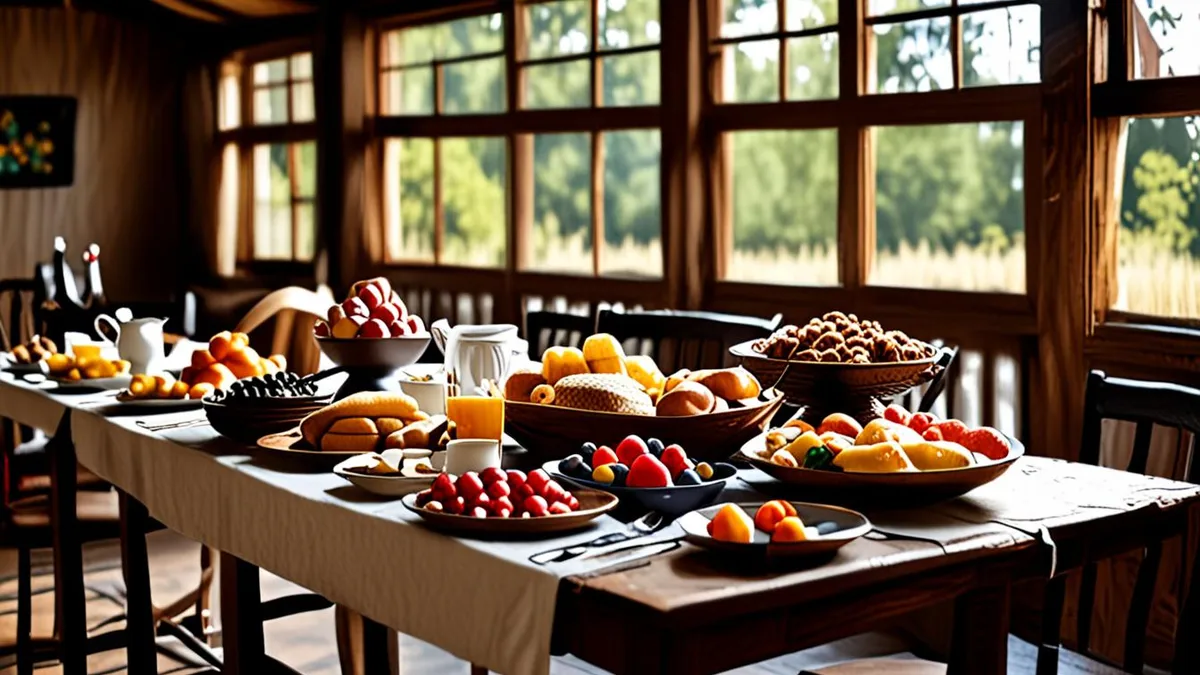
At a safari lodge, full board usually means three proper meals a day, and they are often the social heart of the property. Breakfast might be served on a deck overlooking a waterhole, lunch as a buffet or plated meal in a communal dining area, and dinner around a boma fire under the stars. Communal dining is part of the experience, and it is common to swap sightings and stories with other guests over the evening meal.
Meals around the game drive schedule
Safari days are built around wildlife activity, so meals follow the drives rather than the clock. An early breakfast precedes the morning game drive, lunch follows your return, and afternoon tea is served before the evening drive sets out. That afternoon tea or high tea, often cakes, savories and coffee, is a long-standing tradition at many safari lodges and is frequently included as part of the daily rhythm.
One point worth knowing: morning and afternoon game drives are usually included in the rate regardless of which meal plan you choose, so you are not paying extra for them by picking full board. What does normally appear on a separate bill is premium wine and spirits, along with extras such as laundry, shop purchases and gratuities. House drinks with meals may or may not be included, so ask when you book. If you plan to work through the wine list in the evenings, those costs can add up, and it may be worth comparing an all-inclusive rate before you arrive.
How Much Does Full Board Cost Compared to Other Plans
Meal plan pricing follows a fairly predictable ladder. Moving from half board to full board often adds roughly 15-30% to the nightly rate, which makes sense when you consider you are adding a full cooked lunch, often plus a light starter course, to what the lodge provides each day.
All-inclusive sits a step higher still, and the gap between it and full board is largely about the drinks package. If you rarely drink alcohol or soda, you may be paying a premium for something you will barely use.
Where the Real Value Lies
The honest answer is that value depends on your own habits. If you would realistically eat all three meals at the lodge anyway, full board usually works out cheaper than paying per meal, since lodges often price individual dinners at a level close to what the upgrade costs across your whole stay.
Location matters just as much. A remote lodge with no outside restaurants makes full board clearly better value, because there is simply nowhere else to eat. A town-based lodge is different: you can walk out and find lunch for less, so the upgrade may go to waste. For a broader look at where your money goes at a safari lodge, see what you really pay for at a safari lodge.
When Full Board Makes Sense for Your Trip
The right meal plan has less to do with the lodge itself and more to do with where it sits and how you travel. A remote safari camp and a wine-country lodge near a village call for very different choices, even if their rates look similar on paper. Before comparing prices, picture a normal day of your trip: where you will be at breakfast, at midday and in the evening, and how often you will realistically leave the property.
Start with distance. If the nearest restaurant is an hour or more away, lunch outside the lodge is not realistic, and full board removes the daily question of where your next meal comes from. It also simplifies budgeting, because your main costs are settled before you arrive, with only drinks outside meals typically billed separately. If you are staying near a town, half board frees up your midday to try local restaurants, markets or cafés you would otherwise miss, and those lunches often cost less than the upgrade would.
A Quick Decision Guide
- Remote lodges: full board is the practical default, since a missed lunch may mean going hungry until dinner.
- Lodge stays near towns: half board lets you budget separately for one or two memorable lunches out, often at a lower cost than the upgrade.
- Regular drinkers or fixed-budget travelers: all-inclusive caps your total spend and removes bill anxiety at the bar, which some guests value more than the savings they might make otherwise.
- Short stays of 2-3 nights: full board suits these trips because you spend nearly all your time on-site, so there is little opportunity to eat elsewhere anyway.
If you fall between two of these profiles, lean toward the plan that matches how much time you will actually spend at the lodge rather than the one with the lowest headline rate. And whatever you choose, get the meal plan confirmed in writing when you book, so there are no surprises at check-in.
How to Book the Right Meal Plan
Booking the right meal plan is mostly about asking the right questions before you pay, not after. Rates on lodge websites and booking platforms can look almost identical while covering very different meals, so a few minutes of checking saves awkward conversations at check-in. The difference between plans often comes down to details that are easy to miss: which drinks count as included, whether lunch is covered, and how flexible the lodge is if your plans change.
- Confirm the meal plan in writing. Ask the lodge or operator to state exactly which meals the rate covers, and keep that confirmation with your booking documents. A written answer is far more useful than a verbal assurance if anything is disputed later.
- Finalise your choice early. Many lodges require meal plan decisions to be confirmed 2-4 weeks before arrival, and late changes may not be possible or may carry a fee.
- Ask about drinks at meals. Policies vary widely: some lodges include tea and coffee with meals only, while others extend to juices or house drinks, so get this spelled out. Drinks outside meals are typically billed separately on full board plans, so budget for that extra line on your final bill.
- Flag dietary requirements at the same time. Vegetarian, vegan, gluten-free and allergy needs are usually easy to accommodate, but remote lodges order supplies well in advance and need proper notice.
It also helps to book your stay early enough that you have room to adjust. If you are still deciding on dates, our guide to the best time to book a lodge stay in Kruger National Park covers how far ahead to plan. Once the meal plan is confirmed in writing, you can stop thinking about logistics and start looking forward to the food.
Wrapping Up: Choosing Your Lodge Meal Plan
Meal plan terms can be confusing when you are comparing lodge stays, but the basics come down to coverage. Full board at a lodge covers breakfast, lunch and dinner, usually excluding drinks. Half board and all-inclusive sit either side of it in price and coverage, with half board leaving lunch out and all-inclusive bundling drinks and extras on top.
The right plan depends on how remote the lodge is and how much time you will spend on-site. A lodge far from any restaurants makes full board an easy choice, while a stay near town might suit half board better. Comparing plans against your own eating habits is the simplest way to pick well. If this guide helped clear things up, feel free to leave a comment or share the article with a fellow traveler.