Green-season safari prices look almost too good: the same lodge, the same guides, sometimes 20–40% less than peak season. But the question that stops most travelers mid-booking is simple — will rainy season lodge stays be washed out, muddy and frustrating, or a hidden bargain?
This article walks through both sides honestly. We’ll cover when the rainy season actually falls in Southern Africa, the real advantages of traveling in green season, and the genuine trade-offs in game viewing and comfort. You’ll also learn what lodges do differently when the afternoon storms roll in, whether this season suits your travel style, and how to book smartly. No sugarcoating, no scaremongering — just what to expect so you can decide if the lower rate is worth it for you.
When Is Rainy Season at Safari Lodges?
In most Southern African safari regions, the rainy season — often called green season or emerald season — runs roughly from November to March. January and February are usually the wettest months, so if you want the lushest landscapes, that’s your window; if you’d rather dodge the heaviest rain, aim for the shoulder weeks at either end.
Here’s the part that surprises first-time visitors: the rain rarely lasts all day. The typical pattern is a bright, clear morning followed by a build-up of cloud in the afternoon, then a short, dramatic thunderstorm that sweeps through and passes. Mornings are usually excellent for game drives, and many travelers go their whole trip without a full day lost to weather.
Heat and humidity
Expect daytime temperatures commonly ranging from 25–35°C, often paired with high humidity. That combination can make green season feel hotter than the dry winter months, when days are cooler and crisper. Pack lightweight, breathable clothing and plan for a sweaty midday — most lodges schedule their main activities early and late in the day anyway, which conveniently lines up with the clearer hours.
The Pros of Rainy Season Lodge Stays
The biggest draw is the price. Rainy season rates are often 20–40% lower than dry-season prices at the same lodges, and some properties stack green-season specials on top — think discounted multi-night stays or added activities at no extra cost. For a trip that costs a fortune in July, the same experience in November can suddenly fit the budget, and the savings can be enough to add extra nights or upgrade your room type.
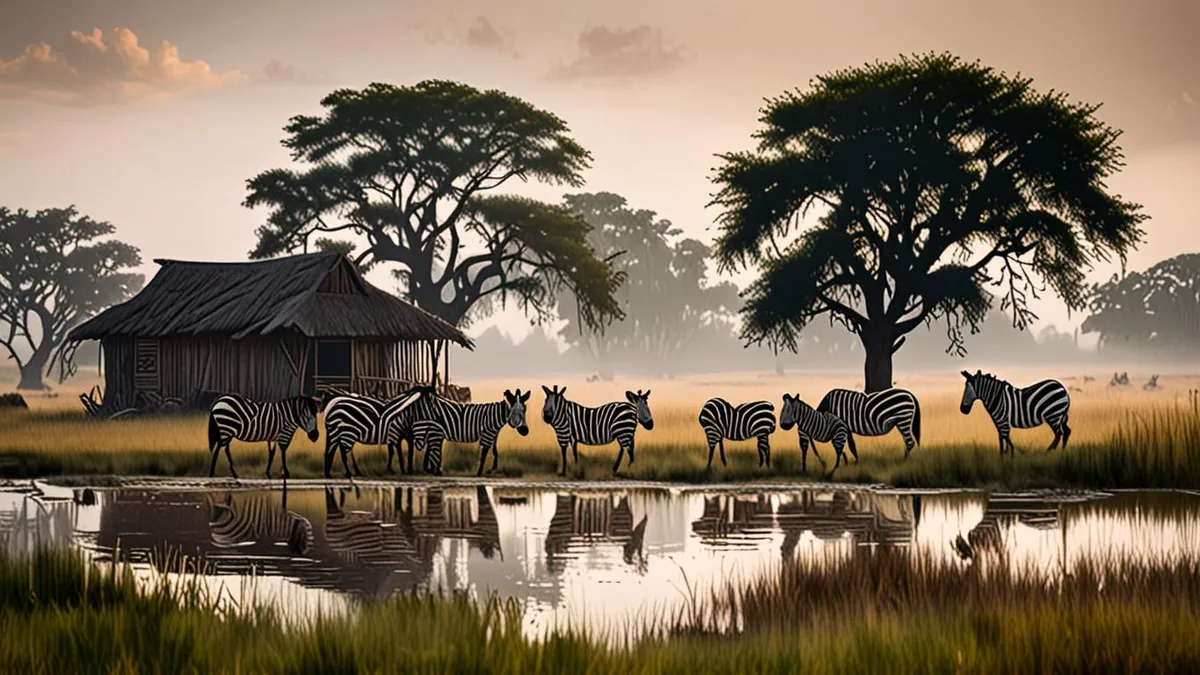
The landscape itself is the second reward. After the first rains, the bush turns lush and green, wildflowers appear, and dramatic storm clouds build on the horizon, making for striking photographs that simply aren’t possible in the dusty dry months. It’s also the best time of year for birding, since migratory species arrive and many local birds display their breeding plumage.
Booking is easier too. While peak season demands planning 6–12 months ahead, rainy season stays are often secured just 2–3 months in advance — and lodges are quieter, so staff and guides can give you more personal attention throughout your stay.
- Better value on premium lodges: high-end camps that rarely discount in peak season are the ones where green-season savings feel most significant, letting you stay somewhere that would otherwise be out of reach.
- Newborn animals: many antelope and other species give birth around the rains, so you may see young calves and foals alongside the predators that follow them.
- Flexible daily rhythm: with fewer guests, it’s often easier to request a longer drive, a later breakfast or a specialist birding outing tailored to your interests.
The Cons: What Rain Costs You
Let’s be honest about the trade-off: game viewing is harder in green season. Thick, dense vegetation hides animals, and because water is scattered across the landscape after the rains, wildlife no longer concentrates at permanent waterholes the way it does in the dry months. You may drive longer distances for sightings, and your guide’s skill matters more than ever. Ask at booking how the lodge positions itself for this — lodges that invest in experienced trackers and well-maintained vehicles tend to deliver far better sightings when conditions are tough.
Weather also interferes. Afternoon thunderstorms can shorten or occasionally cancel a drive, and some dirt access roads become muddy or temporarily impassable after heavy rain, which can affect transfers and certain areas of a reserve. Good lodges plan around this with flexible drive schedules, so it’s worth asking how they handle a washed-out afternoon.
Finally, there’s the comfort and health side. High humidity, more insects and a higher malaria risk in some regions all call for preparation — many lodges sit in low-risk zones, but check your specific region and consult a travel health professional before you go. A little planning goes a long way toward a comfortable stay.
- Longer, slower sightings: animals can vanish into the bush quickly, so a leopard spotted at distance may not be relocatable the way it often is on bare dry-season ground. Patience becomes part of the experience.
- Photography challenges: dim, overcast light and thick cover make wildlife shots harder, though dramatic storm skies partly compensate for patient photographers willing to wait for the light to break.
- Packing adjustments: bring a light rain jacket, quick-drying clothing, insect repellent and zip-off trousers — plus the antimalarial precautions your doctor recommends for the region.
What to Expect at the Lodge Itself
Good safari lodges are built with the rainy season in mind, so a wet-weather stay is usually more comfortable than first-timers expect. Covered walkways connect the rooms to the main areas, so you can walk to dinner without getting soaked even during a downpour. Rooms typically have mosquito nets over the beds, and most camps offer an indoor lounge or bar where you can relax between drives. If you are new to this style of accommodation, our overview of what a safari lodge is and what to expect on arrival covers the basics.
Wet-weather downtime
When an afternoon storm rolls in, campfires and evening activities may move indoors. This is often when the lodge feels most social, with guests and guides sharing stories over drinks while the rain hammers on the thatch. It is worth asking when you book how the camp handles these quieter hours. Some lodges arrange talks on tracking or local culture, others set up board games and a well-stocked bookshelf, and a few simply leave you to the view from a covered deck.
One practical detail many travelers overlook is laundry. In very wet periods, service may be limited since nothing dries outdoors, and some camps stop offering it altogether or only wash quick-drying items. Pack enough clothing to bridge a couple of days, favor lightweight fabrics that dry overnight in your room, and bring a small travel towel if you plan to use the pool. A dry bag or ziplock bags for cameras, passports and phones is also a smart addition to your packing list, as humidity can affect electronics even when it is not raining.
Who Should Choose a Rainy Season Lodge Stay
The rainy season is not for everyone, but for certain travelers it is genuinely the better choice. The key is matching what green season offers — lower rates, dramatic skies, fewer vehicles — with what you actually want from a safari. If your dream trip is a guaranteed leopard sighting in ten minutes, this is not your window. If you value atmosphere, color and space, read on. Our guide to choosing the right safari lodge can help you narrow down camps that suit the season.
- Budget travelers: with green-season rates well below dry-season prices, the same lodge budget may buy you a longer stay or a higher room category than it would in peak months.
- Photographers: the combination of green landscapes, dramatic storm clouds and soft light after rain produces images you simply cannot capture on dusty dry-season drives.
- Birders: migratory species are present in green season, so bird lists swell considerably compared with the winter months.
- Repeat safari visitors: if you have already ticked off the Big Five, a different rhythm of game viewing and a lush, unfamiliar landscape can feel like a fresh destination.
- Crowd-averse travelers: quieter camps mean fewer vehicles at sightings and more personal attention from guides and staff.
The honest caveat: you need to tolerate heat, humidity and the possibility of rain interrupting your plans. Daytime temperatures commonly sit between 25–35°C with high humidity, so if you wilt in muggy weather, the cooler dry months will suit you better.
It also helps to think about how you travel, not just what you want to see. Green season rewards travelers who are flexible by nature — people who are happy to swap an afternoon drive for a long lunch, a book on a covered deck or a swim while a storm passes. If your itinerary is built around rigid expectations, the season may frustrate you. But if you treat each day as it comes, the trade-offs often feel small compared with what you gain in value and experience.
One practical tip: talk to your lodge or operator before booking and describe your priorities honestly. A good camp will tell you whether green season fits your goals or whether you should shift your dates instead. That single conversation can save you from a mismatched trip and point you toward the season that genuinely suits you.
How to Book a Rainy Season Lodge Stay
Booking a rainy season lodge stay is easier and more flexible than planning a peak-season trip, but a few smart choices make a real difference to how much you enjoy it. Green season rewards travelers who plan with the right questions in mind, and the process starts well before you pay a deposit. Follow these steps to get the best out of the wet months and avoid the frustrations that catch first-time green season visitors off guard.
- Choose your dates with the weather in mind. The wettest months bring the lushest scenery and the lowest demand, but also the highest chance of disrupted drives. If your priority is photography or birding, the heart of the season can be ideal; if you want drier mornings, the shoulder weeks on either side often offer a better balance.
- Prioritize lodges with high vehicle ratios or private concessions. When game viewing is thinner, the quality of your guide matters far more. A private concession means off-road driving is often permitted and you share sightings with fewer vehicles, which offsets the denser vegetation.
- Check cancellation terms carefully. Weather-related itinerary changes, delayed transfers and temporarily impassable dirt roads are more likely in green season, so flexible or partially flexible rates are worth the small premium.
- Ask about seasonal specifics. Confirm which activities run in the wet months, whether any facilities close, and how the camp handles wet-weather downtime before you commit. A lodge that plans well for rain will keep your days full even when a storm rolls through.
If you are weighing green season against the dry months in South Africa’s most famous reserve, our guide to the best time to book a lodge stay in Kruger National Park breaks down how timing affects rates and availability. Whichever region you choose, confirm current prices, park conditions and health recommendations directly with your operator, as these shift from year to year.
Rainy Season Lodge Stays: The Bottom Line
So, will rain, mud and thick bush ruin a rainy season lodge stay? Not if you know what you’re signing up for. Green season trades easier game viewing for lower rates, lush scenery and quieter camps, with rates often 20–40% below dry-season prices. If budget, birding or photography drive your trip, the November to March window can be the smarter choice.
If spotting the Big Five is your priority, the dry season remains worth the higher price, since concentrated water sources and sparse vegetation make animals far easier to find. For everyone else, the green season offers a softer, more personal safari at a friendlier cost. Have you traveled during rainy season, or are you planning a green-season trip? Leave a comment or share this article.