You know you want a glamping trip, but choosing between a transparent dome and a canvas safari tent can feel like a gamble on comfort, weather and price. Both promise a memorable night under canvas or curved glass, yet they behave very differently once the temperature drops, the rain arrives or your group grows beyond two people. That is exactly what the glamping domes vs safari tents question comes down to.
In this guide, we compare the two structures across everything that actually matters: how each one is built and feels to sleep in, the comfort and space you can expect, which seasons suit each option, typical nightly costs, how to match the choice to your trip type and travel group, and practical booking tips plus a packing list. By the end, you will know which structure fits your destination, your budget and the people you are traveling with.
Glamping Domes vs Safari Tents: The Core Differences
The two structures could hardly be more different in design. A glamping dome is a rigid geodesic structure, usually built from triangular panels with transparent sections built into the frame. Those clear panels are the whole point: you get panoramic views of the landscape during the day and, in many units, the chance to watch stars from your bed at night. The curved walls and solid frame also give domes a distinctly enclosed, cocoon-like feel once you zip the door shut.
The safari tent: canvas, verandas and airflow
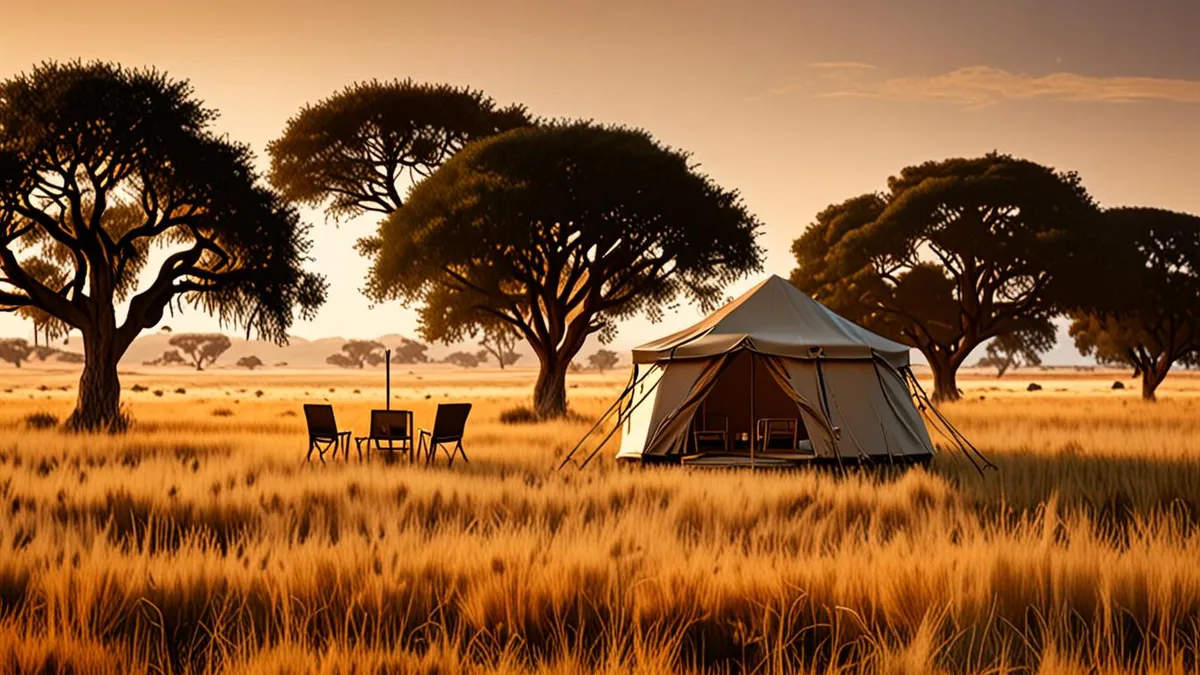
Safari tents take their inspiration from the classic camps of African safaris. They are large canvas tents stretched over fixed frames, often raised on wooden platforms, and they typically come with a shaded veranda at the front and mesh windows along the sides. That mesh is what lets air move freely through the tent while keeping insects out, so you sleep with the sounds of the outdoors all around you.
The feel is completely different from a dome. Where a dome wraps around you like a snug shell, a safari tent stays airy and open, closer in spirit to classic camping but with real beds, furniture and space to move. If you love the sensation of canvas above your head and breeze through the windows, the safari tent delivers it. If you would rather lie in bed and watch the sky or the valley through clear panels, the dome is the stronger pick.
Comfort and Space Compared
Space is where these two structures part ways most clearly. Glamping domes usually sleep 2–4 guests in a single open floor plan, typically built around one fixed bed. Most domes include heating, and many now offer a small en-suite bathroom, so you get genuine hotel-style comfort in a compact footprint. What you sacrifice is separation: there are rarely separate bedrooms, so a dome works best when everyone in your party is happy sharing one space.
Why safari tents suit bigger groups
Safari tents commonly sleep 2–6 guests, and many models include separate bedrooms plus a covered lounge area at the front. That layout makes a real difference for families with children or groups of friends who want privacy at bedtime but a shared place to play cards or enjoy morning coffee. The veranda effectively doubles your living space in good weather.
Ventilation and insulation also differ. Canvas breathes, so safari tents offer better natural ventilation on warm nights, though that same airflow means you will hear neighboring units and wildlife more clearly. Domes, with their rigid panels and sealed structure, offer better insulation and more privacy from neighboring units, along with a quieter interior overall. If you are still weighing tent styles against each other, our guide on how to choose the right glamping tent for your stay walks through the decision step by step.
Weather and Seasonality: When Each Option Shines
Season is often the deciding factor, because canvas and geodesic panels behave very differently in bad weather. Domes handle cold well: with heating running, they stay comfortable roughly from -10°C to 25°C, which makes them the clear favorite for autumn and winter stays. The rigid structure also shrugs off wind and snow far better than fabric, and there is a special appeal to watching snowfall through transparent panels from a warm bed.
Where safari tents excel
Safari tents are best in dry, warm months. Canvas becomes uncomfortable in heavy rain, when it can feel damp and noisy, and nights below about 10°C turn a canvas tent chilly fast, since most safari tents have limited or no heating. In hot summer weather, though, that same canvas and mesh combination is an advantage, letting air flow through while a shaded veranda keeps the worst of the sun off.
Matching structure to region saves you a lot of disappointment. Domes suit mountains and northern destinations, where cold nights and changeable weather are part of the deal. Safari tents suit savanna landscapes, coastal sites and warm summer regions, where dry conditions and breezy evenings are the norm. For a fuller breakdown of timing by destination, see our guide to the best season for glamping by region before you lock in dates.
How Much Each Option Costs
Price is often the deciding factor between these two structures, and the gap between them is real. Safari tents typically run $150–$400 per night, while glamping domes usually sit a step higher at $200–$500 per night. If you have a fixed budget, that difference can shape your whole trip.
Timing matters just as much as structure. Dome stays in peak season can cost 20–40% more than low-season rates, so the same transparent-ceiling unit in July may cost noticeably more than it did in October. Safari tent prices also rise in high season, though the swings tend to be smaller. For a fuller breakdown of what to expect across different glamping styles, our guide to typical glamping prices is a good starting point.
Families should do the math per person rather than per night. A large safari tent sleeping 4–6 guests often works out cheaper per person than booking two smaller domes, and everyone shares one living space instead of splitting up.
- Midweek stays frequently undercut weekend rates at the same property, so shifting your dates by a day or two can free up budget for an upgrade.
- Some dome sites charge a premium specifically for the best-view units, so asking for a standard-facing dome can trim the price without losing the experience.
- Safari tents with shared kitchenettes or BBQ areas let you cook some meals, which lowers the true cost of a multi-night stay.
- Shoulder-season bookings often come with added perks like free late checkout or included activities, so ask what is on offer before you commit.
Choosing by Trip Type and Travel Group
Match the structure to who is traveling and why, and the choice usually makes itself. For couples chasing romance, a dome is hard to beat. Lying in a fixed bed with a transparent ceiling above you, watching stars drift across the sky, is the kind of experience that turns a simple getaway into something memorable. Many couples book domes specifically for anniversaries, proposals or a quiet weekend away from screens.
Families and groups have different priorities. A multi-room safari tent sleeping 4–6 guests gives kids their own sleeping area, parents some privacy, and everyone a covered lounge and veranda to gather on. That shared space matters on longer stays, when you want to play cards, eat together or dry out swimwear without crowding a single room.
Season should weigh heavily too. A heated dome keeps you comfortable on a winter or cold-season trip, while an airy safari tent with wide mesh windows is far more pleasant in hot summer weather than an enclosed structure.
- Couples celebrating a special occasion can ask hosts about extras like private hot tubs, fire pits or champagne on arrival, which dome properties often offer as add-ons.
- Groups traveling with teens may prefer safari tents near activity hubs like riding stables, kayak launches or hiking trailheads, so older kids can head off independently.
- If you are traveling with a baby or toddler, check whether the tent or dome has space for a travel crib and whether paths are stroller-friendly before booking.
- Pet owners should confirm animal policies early, as canvas safari tents and dome interiors have different rules depending on the operator.
Booking Tips and What to Pack
Book early, then ask the right questions
Glamping sites are small by nature, and domes are especially limited since most properties only have a handful of units. For peak season, which runs June through August in the Northern Hemisphere, book 3–6 months ahead to avoid settling for leftover dates. This matters doubly for domes, where the best-view units go first and there may be only two or three on the entire site.
Before you confirm, ask specific questions rather than relying on photos. For a dome, check what heating is provided, whether there are blackout options for the transparent panels, and whether the bathroom is en-suite or a shared facility a walk away. For a safari tent, ask how rain is handled, whether the veranda is fully covered, and if the mesh screens are fine enough to keep out insects on humid nights.
What to pack for each structure
Canvas stays cool quickly once the sun goes down, so pack layers even for a summer safari tent trip: a fleece or light jacket for evenings, warm socks and something comfortable to sleep in. Sturdy slip-on shoes for the veranda and a small flashlight for nighttime walks to shared facilities are also handy.
For transparent domes in summer, an eye mask is the single most useful item you can bring. Early sunrises and bright moonlit nights are beautiful, but they can wreck your sleep if you are not prepared. Add a reusable water bottle and, for both structures, a light daypack for excursions from your base.
The Bottom Line: Dome or Safari Tent?
So, dome or safari tent? In most cases, three factors decide it: price, season and group size. If you’re a couple traveling in autumn or winter and the view is the whole point, a dome is the natural pick, with its transparent panels, solid insulation and cozy heat. If you’re a family of four or more heading somewhere warm and dry, a safari tent usually wins on space, airflow and value for money.
Neither option is objectively better — a geodesic dome under a mountain sky and a canvas tent on a sunlit veranda are simply built for different trips. Match the structure to your destination, your travel dates and who’s coming along, and either one can deliver a genuinely memorable glamping stay. If this helped you decide, leave a comment or share the article with a fellow traveler.