You know you’re going to Bali, but you’re stuck deciding whether a villa or a hotel will give you the better experience for your money. It’s a fair dilemma. A villa with a private pool sounds dreamy, but a beachfront hotel with room service and a breakfast buffet has its own appeal — and the price tags can overlap more than you’d expect. The Bali villas vs hotels question doesn’t have one universal answer, because the right choice depends on your budget, your travel style and where on the island you plan to stay.
In this guide, we’ll break down what your money actually buys in each option, compare space and privacy, look at how location changes the equation in areas like Canggu, Ubud, Nusa Dua and Sanur, and cover where hotels genuinely outperform villas on service and safety. We’ll also share booking tips for each season and introduce eco villas as a third option worth knowing about. By the end, you’ll be able to match your stay to your trip.
Price Comparison: What Your Budget Really Buys
At first glance, hotels look cheaper in Bali. Mid-range rooms typically run US$40–100 per night, while mid-range private villas typically cost US$60–150 per night. But the raw nightly rate doesn’t tell the whole story. A villa rate covers an entire property — usually with a private pool, kitchen and daily housekeeping included — while a hotel rate covers a single room, often smaller than the living room of the villa you could have booked for similar money.
Once you factor in the space and amenities you get, a villa in the US$60–150 range often matches or beats a hotel at US$40–100. You’re paying a bit more per night for a lot more usable square meters, plus amenities a hotel would charge extra for, if it offered them at all.
Splitting a villa changes the math completely
If you’re traveling with friends or family, the numbers get even better. A 3-bedroom villa, which typically falls in the US$200–600 per night range, can be split between three couples or a group of six. Do the division and the per-person cost often comes out lower than booking separate hotel rooms — sometimes dramatically so, especially compared to mid-range hotels in popular areas.
One thing to watch: hotel rates usually include breakfast, while most villa rates do not. Budget an extra US$5–15 per person per day for groceries or cafe breakfasts, and the comparison stays honest. Even with that added, villas frequently win on value for groups — and solo travelers or couples should compare what they’d actually use before deciding.
Space, Privacy and Comfort: Where Villas Win
This is where villas pull ahead, and it’s not close. In most Bali villas, a private pool, garden and living room come as standard — you’re not renting a room, you’re renting a small home. Compare that to a hotel, where the pool is shared with dozens of other guests, your “outdoor space” is a corridor, and quiet depends on how thin the walls are between you and the next room.
Villas also suit longer stays and remote workers far better. A kitchen means you can cook instead of eating every meal out, and separate bedrooms let one person take a call at 7 a.m. while another sleeps in. For stays of a week or more, having a living room to spread out in makes a genuine difference to how rested you feel.
That said, hotels hold real advantages of their own. Daily servicing tends to be more consistent — the same housekeeping standard every day, towels replaced without a WhatsApp message. On-site restaurants and room service mean you never have to leave the property when you’re tired or it’s raining. If you want to see how the villa option can also go green, have a look at Bali’s most unique eco villas for a sustainable stay.
- Outdoor showers and bathtubs: Many villa bathrooms open to the garden or sky, a feature almost no mid-range hotel room can replicate.
- Your own sound system and playlist: Villas usually come with speakers or a TV setup you control, rather than negotiating with a hotel bar’s music.
- Naps by the pool without packing up: No reserving loungers at 7 a.m. or carrying towels from your room — the pool is steps from your bedroom.
- Space for kids to roam: A walled garden gives children room to play while parents keep an eye on them from the living room.
Location Matters: Villas in Canggu and Ubud vs Beachfront Hotels
Location is where the villa-versus-hotel decision gets interesting, because each option dominates in different parts of the island. Seminyak, Canggu and Ubud are the main villa hotspots, and it’s easy to see why. Seminyak and Canggu put you within walking distance of cafes, boutiques and beach clubs, while Ubud surrounds you with rice-field backdrops that no city hotel can offer. In these areas, renting a villa means stepping out your gate and into the neighborhood.
Where beachfront hotels rule
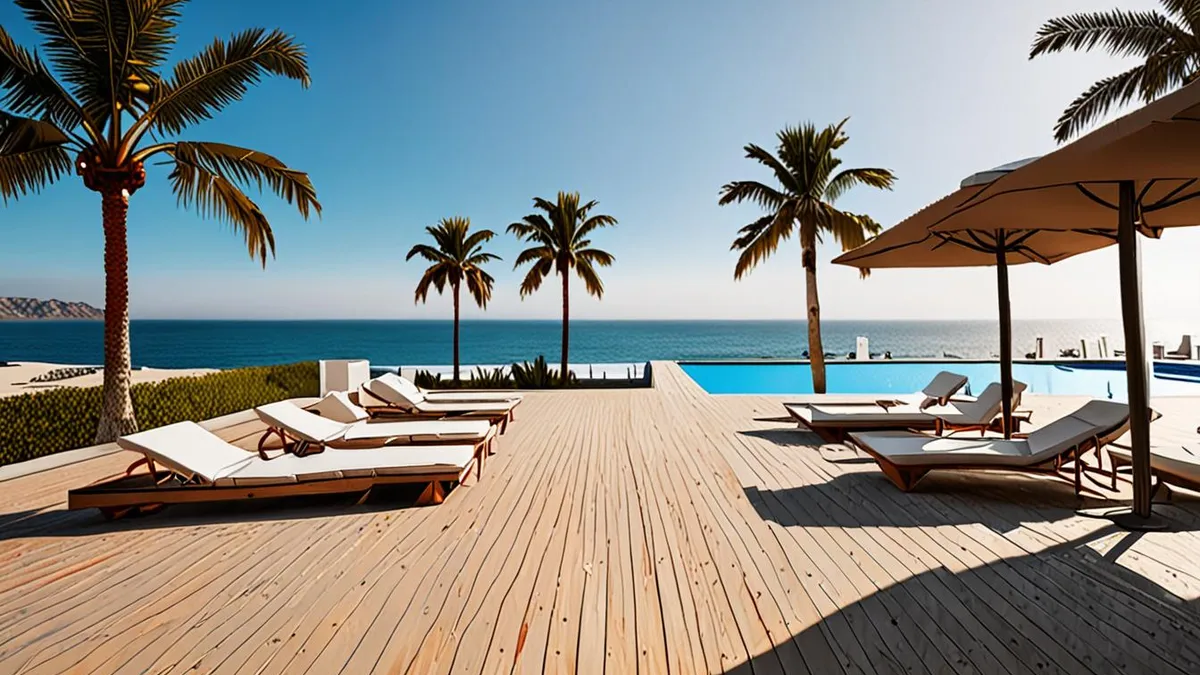
Head to Nusa Dua or Sanur, though, and the picture flips. Beachfront hotels dominate these stretches of coast, and what you’re paying for is direct beach access — walk out of the lobby and you’re on the sand. Villas exist here too, but many sit a short drive from the shore, so if swimming in the ocean every day is the point of your trip, a hotel on the beachfront usually makes more sense.
Inland areas like Ubud trade beach proximity for something else entirely: jungle views, river valleys and cooler evenings thanks to the higher elevation. You won’t hear waves from your bedroom, but you might wake up to mist over the rice terraces and birdsong instead. The honest way to decide is to ask what you want to see when you step outside. If it’s cafes and surf breaks, look at villas in Canggu or Seminyak. If it’s sand at your doorstep, book the beachfront hotel in Nusa Dua or Sanur. If it’s greenery and a slower pace, an Ubud villa delivers exactly that.
Service and Safety: What Hotels Do Better
Hotels have one clear advantage in Bali: someone is always there. A 24-hour reception desk means you can check in at midnight after a delayed flight, store your luggage before your room is ready, and get help in person whenever something goes wrong. Add security staff, a concierge who can arrange transport or tours, and on-site staff who notice when something looks off, and hotels offer a level of support that most standalone villas simply cannot match.
Villa staffing is usually much lighter. In a typical private villa, you might have a housekeeper who comes daily and a pool attendant who visits a few times a week. If there is a problem — a broken air conditioner, a lost key, a question about your booking — you will most likely message a villa manager on WhatsApp and wait for a reply. Good villa managers respond quickly and resolve issues well, but you are dealing with a person on a phone rather than a front desk down the hall.
When a hotel makes more sense
First-time visitors and solo travelers often find hotels easier. Late-night arrivals, early checkouts, last-minute date changes and unexpected itinerary shifts are all simpler when a reception team can handle them on the spot. Luggage storage before check-in or after checkout is standard at hotels, while many villas have no office to leave a bag at. If flexibility and peace of mind matter more to you than a private pool, a hotel is the safer choice.
When to Book: Seasons and Lead Times for Bali Villas vs Hotels
Timing your booking matters in Bali, and it matters differently for villas and hotels. The best properties in each category have different rhythms, and the gap between a dream stay and a disappointing one often comes down to when you reserve. Villas in particular are small operations — many have only a handful of units — so a single week of high demand can wipe out availability at the places travelers want most. Hotels, with dozens or hundreds of rooms, absorb pressure more easily. Plan around the seasons rather than leaving things to chance.
- Book peak season first. For the July–August and Christmas peak, aim to reserve 2–3 months ahead. The most attractive villas — the ones with the best views, pools and locations — sell out first, and late bookers are left with the leftovers. If you have your heart set on a specific property, treat its calendar like a flight seat and lock it in early.
- Use the wet season for savings. From November to March, visitor numbers drop and both villas and hotels commonly offer discounts of 20–40%. You will trade some sunshine for lower rates, and you should expect short tropical showers rather than days of solid rain. Many travelers find mornings are typically fine, with rain arriving in bursts later in the day.
- Match the dry season to villa living. April to October is the dry season, and this is when a villa shines. Private pools, open-air living rooms, gardens and outdoor dining are the main reasons people choose villas, and those features are far more enjoyable without daily rain interrupting your afternoon swim or sunset dinner.
- Be more flexible with hotels. Hotels generally have more rooms and more consistent demand patterns, so last-minute availability is often easier to find — though peak weeks still reward early booking. If your dates are loose, a hotel gives you the freedom to decide later.
Whichever way you lean, check cancellation policies before you commit. A flexible rate costs a little more but protects you if your plans shift, which is common on a trip that involves multiple islands or open-jaw flights. Read the fine print on deposits too, since some villa owners request bank transfers ahead of arrival. And before paying anything, confirm current rates directly with the property, as prices move with demand and can change from one week to the next.
Eco Villas: A Third Option Worth Considering
If the villa-versus-hotel debate feels like a trade-off between comfort and conscience, there is a third option worth a closer look. Eco villas combine the privacy and space of a private villa with sustainable design, from bamboo construction and natural ventilation to solar power and rainwater systems. You get the same layout as any other villa — bedrooms, kitchen, living space — but built with a lighter footprint.
What you actually get
The appeal is simple: a green holiday without giving up the things that make villas great. Many eco villas still have private pools, generous outdoor areas and daily housekeeping, so you are not roughing it to travel responsibly. In fact, the natural materials and open designs often make these properties feel more special than a concrete hotel block, with airflow instead of constant air conditioning and gardens that blend into the surroundings.
Location plays a big part too. Many eco villas sit in natural settings around Ubud and the wider countryside, where they blend with rice terraces, river valleys and jungle rather than dominating them. Cooler inland evenings and waking up to birdsong instead of traffic are part of the package.
If this sounds like your style of trip, our guide to sustainable luxury in Bali goes deeper into what to look for and where to find it.
The Verdict: Matching Your Stay to Your Trip
So, which wins: villa or hotel? If you’re traveling as a couple, a family or a group of friends, staying a week or more, or working remotely, a villa usually gives you more space and privacy for your money. If you’re on a short trip, traveling solo, or you want breakfast, a front desk and everything handled for you, a hotel is the simpler, safer bet.
The real answer depends on your budget, your location and the season you’re visiting, more than on any general rule. Compare price, privacy and service side by side against your own itinerary, and the right choice usually becomes obvious. If you’ve stayed in a Bali villa or hotel recently, share your experience in the comments or pass this article along to a friend planning their trip.