Booking a private pool villa in Bali for the first time sounds simple until you start wondering what the experience actually involves. Is the pool really private? Who cleans the rooms, and when? Do you pay extra for breakfast, and how far will you be from the beach? Compared to a hotel, the daily rhythm is different: staff come to you, facilities are shared with no one, and much of your day happens outdoors.
This guide walks you through what a typical villa includes, how privacy and daily service work, what you can expect to pay, and which season suits your trip best. You’ll also find advice on choosing between areas like Seminyak, Canggu and Ubud, plus a checklist of things to confirm before you pay. By the end, you’ll know whether a private pool villa in Bali fits your travel style and how to book the right one with confidence.
What a Private Pool Villa in Bali Actually Includes
A private pool villa in Bali is a standalone home, not a room in a larger property. You get your own enclosed compound with a pool that no other guest can use, and layouts typically range from one to five bedrooms. That makes villas work equally well for a couple’s getaway or a group trip where everyone wants their own room under one roof.
What the standard layout looks like
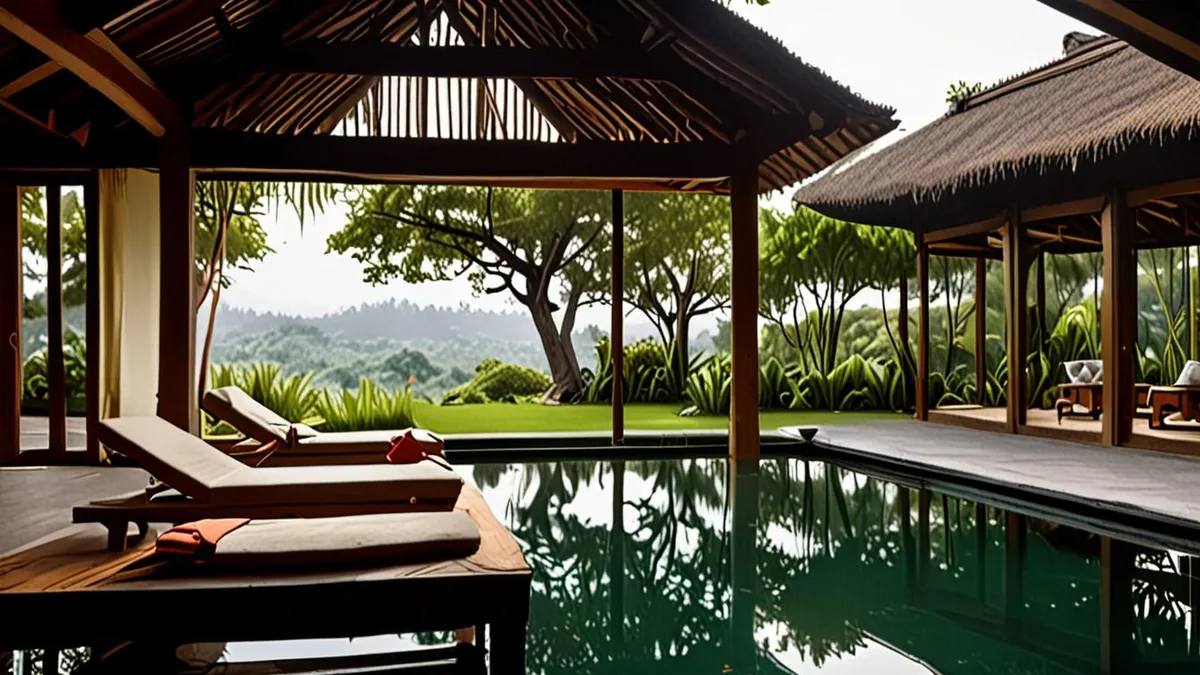
Most villas share a similar design language. Expect an open-air living pavilion with sofas and a dining table under a high thatched or tiled roof, tropical gardens filling the space between buildings, and bathrooms that are often semi-outdoor, with a shower or bathtub set into a private walled garden. Bedrooms are usually enclosed and air-conditioned, while the rest of the property flows between indoors and outdoors.
Service and location
Service is where villas differ most from self-catering rentals. Daily housekeeping is included at most villas, and many come with a villa manager or guest assistant who handles requests, bookings and problems. Breakfast cooked on site is often part of the rate, served in your own dining pavilion rather than a restaurant.
One thing to plan around is location. Most villas sit 10–30 minutes from the nearest beach or town center, so you won’t usually step straight out onto a busy street. Arrange transport in advance, whether that’s a hire car, scooters or a driver your villa can call.
Privacy and Daily Life at the Villa
The biggest difference between a villa and a hotel is that nothing is shared. The pool, sun loungers, dining table and garden are yours alone for the entire day. You can swim at six in the morning, leave towels on the loungers all afternoon, and eat breakfast in your pajamas without a single other guest in sight.
How staff fit into your day
Staff usually come at fixed times rather than hovering all day, which means you can shape the schedule around your plans. If you want breakfast at eight and housekeeping after lunch, simply ask. Most villas are happy to adjust, and the villa manager or guest assistant is your point of contact for anything from extra towels to dinner reservations.
Privacy is generally excellent, but it helps to understand the design. Walls and dense tropical planting block most views into the compound, so you can swim and sunbathe without an audience. The trade-off of open-air architecture is sound: voices and music carry between pavilions, so a lively dinner in the living area is audible from the bedrooms. Travelers who value quiet might consider eco-friendly villas built for a private retreat in Bali, which often use planting and layout to buffer noise as well as shield views.
An outdoor-focused routine
Expect your daily rhythm to shift outdoors. Days tend to revolve around swimming, napping on a daybed under a fan, and eating lunch and dinner in the open-air pavilion. Enclosed, air-conditioned bedrooms become places for sleeping and getting ready rather than the center of your day, which is exactly the appeal for most villa guests.
How Much a Private Pool Villa Costs
Villa pricing varies widely by location, size and level of service, but the ranges are fairly predictable. Mid-range villas run roughly US$100–250 per night for one or two bedrooms, which often includes daily housekeeping and breakfast. Luxury properties range from US$300 to over US$800 per night, and at that level you typically get larger pools, more elaborate gardens and a fuller staff team.
Beyond the nightly rate, a few extras can change your total budget. Private chefs cost about US$25–50 per meal on top of the nightly rate, and many travelers find this worthwhile for at least one dinner in the villa. If sustainability matters to you, some properties combine villa comfort with greener design — Bali’s most unique eco villas for a sustainable stay shows what those options look like in practice.
One of the best value angles is group travel. Splitting a multi-bedroom villa between friends often beats booking several hotel rooms, since you pay one rate and get a pool, kitchen and living space included.
- Long-stay discounts: Many villas reduce the nightly rate for bookings of a week or more, so ask about weekly or monthly rates if your trip is longer than a few days.
- Seasonal pricing swings: The same villa can cost noticeably more in peak dates than in quieter months, so shifting your dates by a few weeks can stretch your budget further.
- Driver and scooter costs: Since most villas sit away from the town center, budget separately for daily transport, whether that’s a hired scooter, a car with driver arranged through your villa manager, or ride-hailing apps.
- In-villa spa treatments: Many villas can arrange massages and treatments in your pavilion, usually priced per treatment, which adds convenience but also adds to the final bill.
Choosing the Right Season for Your Stay
Bali’s weather follows a simple pattern that shapes your entire villa experience. The dry season runs from April to October, and this is when you get the most reliable pool and sunbathing weather. Days tend to be sunny and humidity is lower, so you can plan your time around the pool rather than around the sky. If swimming and lounging are the main reason you booked a villa, these months deliver.
The wet season stretches from November to March. It doesn’t rain all day, but you can expect afternoon downpours that roll in quickly and often pass within an hour or two. The trade-off comes in price and scenery: rates drop noticeably compared to peak months, and the rice terraces and gardens turn a deeper, lusher green. Photographers and travelers who don’t mind a shower often prefer this time of year.
The shoulder months sweet spot
April, May and October sit on the edges of the seasons and often offer the best balance. You still get mostly good weather, but prices soften and the island feels less crowded. If your dates are flexible, these months are a smart first choice.
One practical detail matters more in the wet months: covered lounging areas. Some villas have generous shaded terraces and covered outdoor dining, while others leave you retreating to your bedroom when the rain starts. Before booking, look closely at the villa’s layout and photos, and check how much of the outdoor space stays usable when the sky opens up.
Where to Base Yourself: Areas and Villa Styles
Bali is bigger than most first-time visitors expect, and where you base yourself shapes every day of your trip. Traffic can turn a short distance into a long drive, so pick an area that matches how you actually want to spend your time rather than one that simply looks good in photos.
Each region attracts a slightly different traveler, and villa styles change with the landscape. A clifftop villa in the south feels completely different from a jungle retreat in the interior, even at the same price point. Here’s a quick breakdown to help you match the location to your trip:
- Seminyak and Canggu — best if you want beach clubs, surf breaks and a dense choice of restaurants and cafés within a short drive of your front gate.
- Ubud — the pick for jungle and rice-terrace villas, typically 60–90 minutes from the airport, with a cooler climate and easy access to walks, temples and craft villages.
- Uluwatu and Nusa Dua — favour dramatic clifftop settings or quieter resort-adjacent stretches, ideal if a sweeping ocean view matters more to you than nightlife.
Once you’ve picked a region, match the villa itself to your group. Couples are usually happy in a compact one-bedroom with a plunge pool, while groups of friends or families get far better value from three to five bedroom layouts with a shared pool and dining pavilion. If you’re traveling as a pair, it’s worth browsing eco-friendly villa options designed for couples before settling on a location.
How to Book and What to Confirm Before You Pay
A little preparation before you pay saves most of the headaches travelers report with villa stays. Unlike hotels, every private pool villa is different — layouts, staffing, pool sizes and even the route from the gate to your bedroom can vary enormously from one property to the next. That’s part of the charm, but it also means the details you confirm in advance really matter. A villa that looks flawless in a listing can fall short if the pool is smaller than expected, the road there is rough, or the staff rarely answer messages. The good news is that a short checklist covers almost everything that goes wrong. Work through these steps in order, and you’ll arrive with few surprises:
- Time your booking around demand. For peak season in July–August and around Christmas, book 3–6 months ahead. The best villas in popular areas get snapped up early, and last-minute choices shrink fast.
- Check the physical details, not just the photos. Confirm the exact bedroom count, the pool size and whether breakfast is included in the rate. Wide-angle photos can make a plunge pool look far bigger than it is.
- Sort out transport and logistics. Ask about airport transfers, whether the villa can arrange scooter or car hire, and how far you’ll need to travel to reach shops, ATMs and restaurants you’ll actually use.
- Read the recent reviews carefully. Focus on staff responsiveness and pool maintenance — these are the two most common complaints in villa reviews, and both are hard to fix once you’ve arrived.
It also pays to message the villa manager directly before booking. A quick, helpful reply is a good sign of how your whole stay will run, while a slow or vague response tells you what to expect if something goes wrong mid-trip. Ask specific questions — when housekeeping comes, how the pool is cleaned, whether the kitchen is usable for self-catering — and note how completely they answer. Vague answers now usually mean vague service later. Ten minutes of questions up front is the cheapest insurance you’ll get on a villa holiday, and it often surfaces small issues you can negotiate before you’ve paid a deposit.
Wrapping Up Your Villa Stay Expectations
A private pool villa in Bali gives you a standalone home with your own pool, open-air living space and daily housekeeping, instead of a room in a shared hotel building. Days follow an outdoor rhythm: swim when you feel like it, have breakfast cooked on site and let staff arrive at times you set. You trade the lobby and shared facilities of a hotel for privacy, space and a setting that usually sits a short drive from the beach or the nearest town, so factor transport into your plans.
Costs vary widely by season, bedroom count and location, so compare a few options before committing. Pick an area that matches the trip you want, whether that is dining and beach clubs, jungle greenery or a clifftop view, then confirm the details that matter to you before you pay. If this helped you picture your first villa stay, leave a comment or share this article.