Scroll through any glamping photo and it looks like a dream: a canvas tent glowing at sunset, a wood stove inside, a hot tub on the deck. Then you check the price and see anything from $60 to $700 a night — for what looks like the same experience. That huge spread is exactly why figuring out the real glamping cost is so confusing for first-timers.
This guide breaks down what you should actually expect to pay in the US. We’ll cover average nightly rates, how prices change by accommodation type and region, and when in the year glamping costs the most. You’ll also find practical ways to save money, an honest comparison against regular camping, and a simple framework for planning your total budget before you book.
What Is the Average Glamping Cost in the US?
Glamping in the US spans a wide price spectrum, and knowing the tiers helps you set realistic expectations. At the budget end, simple canvas tents and basic safari-style setups typically run $60-$120 per night — a real bed and weatherproof shelter, but often shared bathrooms and no kitchen. The mid-range tier, which includes most yurts, upgraded safari tents and small cabins, generally falls between $150-$300 per night and usually adds private facilities or at least a dedicated kitchen area.
At the top, luxury geodesic domes and treehouses commonly range from $350-$700+ per night. These properties compete with boutique hotels: king beds, full bathrooms, hot tubs, and views that justify the splurge.
The nightly rate isn’t the whole bill
One thing that surprises many first-time glampers is the fee stack. Cleaning fees and service fees can add $30-$100 per booking on top of the nightly rate, sometimes pushing a “$200” tent closer to $300 in reality. Always check the total price before comparing listings.
On the flip side, group sites that charge per person can make the glamping cost per person surprisingly reasonable. A large safari tent sleeping six at $300 a night works out to $50 each — cheaper than many motels, with far better views.
How Glamping Cost Changes by Accommodation Type
The biggest driver of glamping cost is the type of structure you book. At the lower end, basic canvas tents and simple safari tents offer comfortable beds and solid weather protection, but you’ll typically walk to a shared bathhouse. These entry-level options work well for travelers who mainly want a nicer version of camping — a real mattress off the ground and a sturdy roof over their heads, without extra frills.
Step up to yurts and cabins and you enter the mid-range tier. Yurts add circular, well-insulated living space with real furniture, while cabins usually include electricity, a small kitchenette and often a private bathroom. If you’re unsure which structure suits your trip, it helps to choose the right glamping tent for your stay before comparing prices.
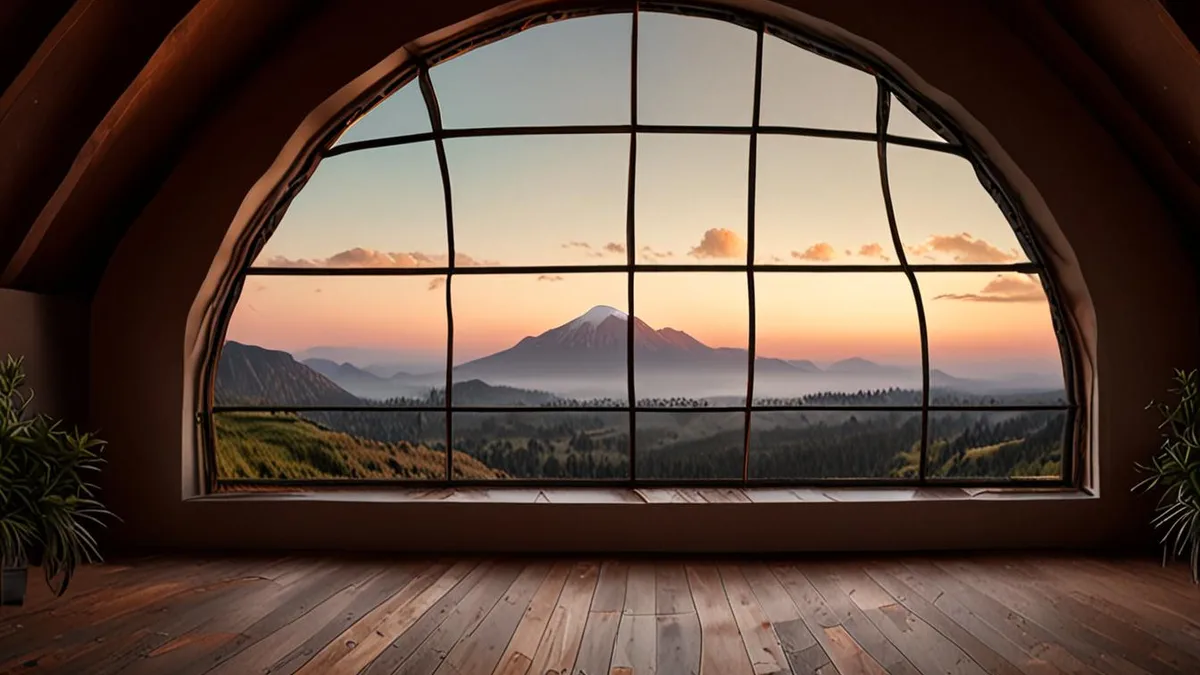
Geodesic domes and treehouses sit firmly in the premium tier. The price reflects what’s inside: hot tubs on private decks, panoramic windows framing mountain or forest views, and full bathrooms with proper plumbing — features that require serious construction and maintenance costs, especially on remote sites.
Amenities that move the price most
Not all amenities cost the same to install and maintain, which is why some upgrades push rates up more than others:
- Private bathroom: plumbing and septic infrastructure are expensive to build in remote locations, so this single feature often marks the line between the budget and mid-range tiers.
- Heating and AC: climate control requires electrical hookups and insulated walls, which is why four-season domes command higher rates than summer-only canvas tents.
- Kitchen: a full kitchen with running water adds utility costs and cleaning time, typically pushing a property toward the top of the mid-range or into the luxury tier.
- Hot tub: ongoing maintenance and heating make this one of the most common luxury-tier features, frequently paired with premium pricing.
Regional Price Differences Across the US
Where you book matters almost as much as what you book. Coastal California, Colorado resort towns and the Northeast are among the priciest regions for glamping in the country. A safari tent near Big Sur or outside Aspen can command rates that would buy a mid-range hotel room elsewhere, simply because land values, demand and operating costs are all higher in these areas.
Where your money stretches further
Head to the Midwest, the South, or less-visited national park gateway towns and the same budget often buys a nicer structure or a longer stay. States like Missouri, Tennessee and Kentucky have thriving glamping scenes at noticeably gentler prices, and smaller gateway towns — the ones a short drive from parks rather than the famous hubs — tend to undercut them on rates.
Proximity is the key variable. The exact same tent type can cost noticeably more within easy driving distance of a major city or a famous park, because operators know weekend travelers will pay for convenience. Sometimes booking an extra 30-60 minutes away saves enough for an extra night.
Region also shapes what you should bring. In pricier coastal or mountain areas, weather can shift quickly even in summer, so it’s smart to pack a complete glamping checklist rather than assuming the property covers everything.
Seasonal Pricing: When Glamping Costs the Most
Timing can change your glamping bill as much as the tent style you pick. The same safari tent near a popular national park can jump 30-50% in price during peak season from June through August, when families are out of school and demand is at its highest. Weekends in July often sell out months ahead, which pushes rates even higher.
The sweet spot for most travelers is the shoulder season. In May and again from September through October, rates often drop 20-40% compared with summer, while the weather is usually still pleasant and the crowds noticeably thinner. Fall colors in the Northeast and mild desert spring-like conditions in October make these months especially rewarding.
Winter is typically the cheapest time to book almost anywhere in the country — with one big exception. Warm-weather destinations like the desert Southwest and Florida actually peak in winter, when snowbirds arrive, so expect rates there to climb rather than fall. If you’re flexible on dates, it pays to plan around the seasons. Our guide to the best season for glamping by region breaks down when to book for different parts of the country.
- Snow and cold close some sites entirely. Many high-elevation glamping operations near Rocky Mountain parks shut down for winter, so off-season deals there apply only to the weeks before and after the operating season.
- Holiday weekends behave like peak season. Memorial Day, Labor Day and fall foliage weekends can price like mid-July even in shoulder months, so book around them if you want the discount.
- Weekday nights in peak season can undercut weekends. A Tuesday or Wednesday in July near a famous park often costs less than a Friday or Saturday in September, which matters if your schedule is fixed to summer.
How to Save Money on Your Glamping Trip
Glamping doesn’t have to blow your travel budget. A few smart booking habits can shave a real chunk off the sticker price, especially if you’re flexible on dates and willing to plan ahead. The trick is to stop thinking about glamping as a fixed expense and start treating it like any other travel purchase — one where timing, location and a little patience all affect what you pay. Here’s how to do it, step by step.
- Target shoulder-season dates. Aim for May or September-October, when rates typically sit well below peak-season levels. You’ll get milder weather, thinner crowds and the same tent or dome for noticeably less money.
- Book popular domes and treehouses 2-6 months ahead. The most photogenic properties near famous parks sell out early, and last-minute peak-season openings are both scarce and expensive. Early booking locks in the rate before demand drives it up.
- Compare the total price, not the nightly rate. Extra charges for cleaning and service can tack on a meaningful amount per booking, so a “cheaper” tent can end up costing more than a pricier one with lower fees. Run the full checkout total before you decide.
- Shift to midweek nights. Tuesday through Thursday stays are usually priced lower than weekends and easier to book, even during busy months. If your schedule allows it, this is one of the easiest savings available.
Stack these steps together and the savings compound. A midweek, shoulder-season stay at a mid-range property booked well in advance can cost less than a budget tent booked last-minute on a summer weekend. Before committing, check a few date combinations — most booking platforms make it easy to shift your dates by a week and watch the price change. Set a price alert if the platform offers one, and don’t forget to read recent reviews for hidden costs like required minimum stays or add-on fees for firewood and linens. A little comparison shopping goes a long way.
Glamping vs Camping: Is the Price Premium Worth It?
So is glamping worth several times the price of a regular campsite? A standard campground site typically costs a fraction of what a mid-range glamping tent or yurt does — often $150-$300 per night. That’s a real premium, and whether it’s justified depends entirely on what kind of trip you’re taking.
What the premium actually buys
You’re not just paying for a fancier roof. The price gap covers a real bed with proper bedding, often a private bathroom, heating or air conditioning, and — perhaps most valuable of all — zero gear setup. No tent poles, no sleeping pads, no cooler logistics. You show up with a duffel bag and you’re settled in within minutes.
When the splurge makes sense
Glamping shines for special occasions like anniversaries or milestone trips, where the setting itself is part of the gift. It’s also the smarter choice for trips with unpredictable weather — a solid structure with heating turns a rainy weekend from miserable into cozy. And if you’re traveling by plane or simply don’t own camping equipment, the premium can be cheaper than buying hundreds of dollars of gear you’ll rarely use again.
On the other hand, if you already own quality gear, enjoy the process of setting up camp and are headed somewhere with reliable weather, a traditional campsite delivers the same stars and trails for much less. Many travelers do both: camp on ordinary trips and save glamping for the ones that matter.
Planning Your Glamping Budget
So, what should you actually expect to pay for a night of glamping in the US? Budget tents typically run $60-$120 per night, mid-range safari tents, yurts and cabins land around $150-$300, and luxury domes and treehouses start at $350-$700+. Keep in mind that season, region and added fees shape the final price as much as the accommodation type itself.
Before booking, compare a few different dates and property types, and always check the total price rather than just the nightly rate. A little comparison goes a long way toward finding a stay that fits your budget. If you found this guide helpful, leave a comment or share it with a fellow traveler.