You want a memorable trip, but you’re stuck between two very different nights of sleep: a canvas dome under the stars or a standard hotel room with room service on speed dial. It’s a genuinely tough call, because the glamping vs hotel debate isn’t about one being better — it’s about which one matches the trip you’re actually planning. A cozy tent with a wood stove sounds dreamy until you realize your itinerary is built around museums and late dinners in the city.
This guide breaks the decision down piece by piece. We’ll start with the core differences at a glance, then compare what you really pay per night and what comfort you get for that money. We’ll look at location and setting, how far in advance you need to book, and which option fits specific trip types — from couples’ weekends to business travel. By the end, you’ll know exactly where to spend your next night away.
Glamping vs Hotel: The Core Differences at a Glance
The fundamental split comes down to what each option is built around. Glamping is designed around nature immersion with upscale amenities — you get a proper bed, heating and often a private bathroom, but the whole point is that you wake up surrounded by trees, water or open sky instead of a parking garage. Hotels are built around urban convenience with standardized service: the same check-in process, the same daily cleaning, the same predictable experience whether you’re in one city or another.
The physical setup reflects that difference. Glamping units are individual structures — geodesic domes, safari tents, small cabins — spaced apart for privacy, often with their own deck or fire pit. A hotel room is one of many rooms within a larger property, sharing hallways, elevators and common spaces with dozens or hundreds of other guests.
Season matters more than you think
Glamping is seasonal in most regions, with sites typically opening from May through October in temperate climates. Hotels operate year-round, with climate control that makes a January stay just as comfortable as a July one. If your travel dates fall outside the warmer months, that alone may settle the question for you.
Cost Comparison: What You Actually Pay Per Night
On paper, the nightly rates overlap more than most travelers expect. Glamping typically runs $100–$400 per night depending on the unit and location, with safari tents and domes sitting at the higher end of that range. Mid-range hotels typically cost $100–$250 per night, with properties in city centers at the top of that range. So a fancy dome can cost more than a solid hotel room — but the sticker price doesn’t tell the whole story.
The real difference is in what’s bundled in. Glamping rates often include extras that hotels bill separately, and hotels add fees that glamping sites simply don’t have. Two travelers paying similar nightly rates can end up with very different totals by checkout. Before you book either one, it helps to understand what goes into typical glamping prices and how they shift by tent type and season.
- Firewood and fire pits: many glamping sites stock firewood as part of the rate, while a hotel would never offer a campfire at all.
- Kayaks, bikes and gear: some sites include free use of kayaks, paddleboards or bikes, which can save you a rental fee elsewhere on your trip.
- Parking: city hotels commonly charge a daily parking fee that can add a meaningful amount to your bill, while glamping parking is almost always free at your own doorstep.
- Wi-Fi and breakfast: mid-range hotels increasingly charge for both, whereas breakfast is rarely part of a glamping stay — you cook over the fire or bring your own supplies.
Add up those line items and the gap between the two options often narrows, or flips entirely in the glamping site’s favor. A dome that looks pricey at first glance may actually cost less per night than a hotel once you factor in free parking, included activities and gear. Run the numbers for your specific dates and destination rather than comparing base rates alone, and check what each property actually includes before you commit.
Comfort and Amenities: Real Beds vs Full Service
Let’s retire the old stereotype first: modern glamping is nothing like sleeping on the ground with a thin sleeping bag. Most glamping units come with real beds, proper linens, and heating or a wood stove for cool evenings. Many domes and safari tents also include private bathrooms, sometimes with hot showers just steps from your tent. What you won’t get is the service layer — no daily housekeeping, no room service, no front desk to call when you want extra towels at 10 p.m.
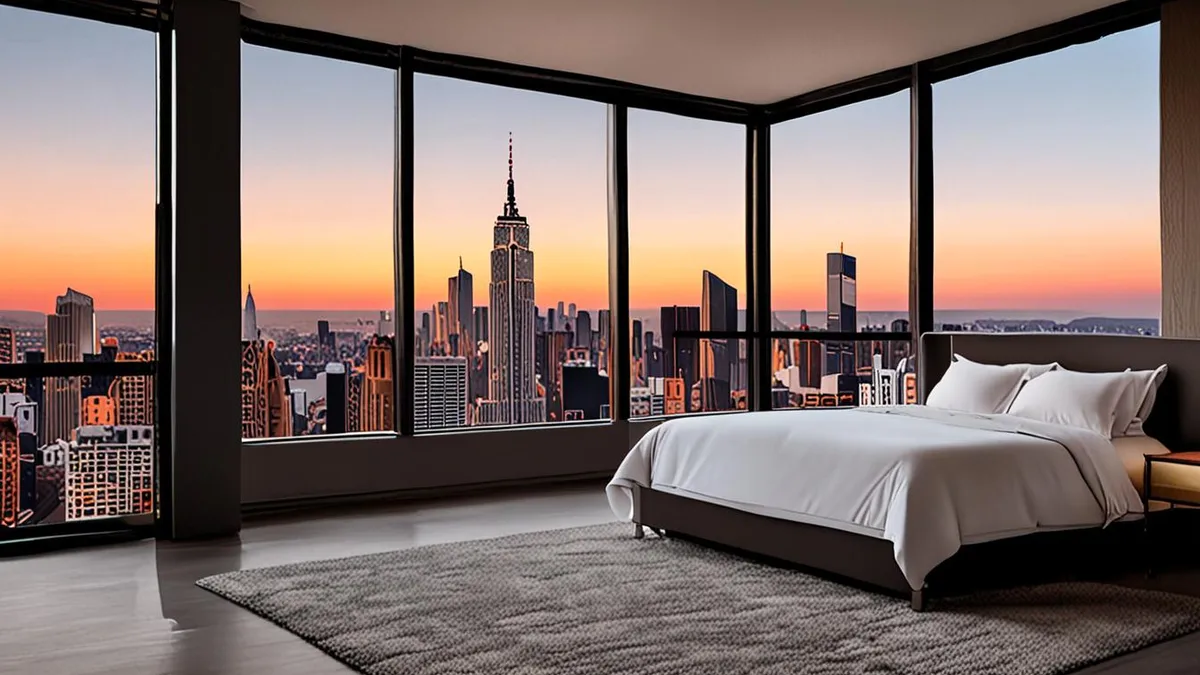
Hotels are the opposite trade-off. Daily cleaning, on-site restaurants, gyms and a 24-hour front desk are standard, and that infrastructure is exactly what makes them reliable. If something breaks or you need a late check-in, someone is there to fix it. The flip side: you’re sleeping in a room that looks like a thousand other rooms, with a parking lot outside instead of a forest.
What the season does to your comfort
Glamping comfort depends heavily on when you go. In temperate regions, the season runs roughly May through October — outside that window, comfort drops sharply, since even a good wood stove struggles against a cold, wet night in a canvas structure. If you’re booking for the shoulder months, it pays to read up on how to choose the right glamping tent for your stay, because insulation and heating vary a lot between unit types. Hotels, by contrast, deliver the same climate-controlled experience in any season.
Location and Setting: Countryside Escape vs City Base
Glamping is all about the setting. Most sites sit 30–90 minutes from major cities, tucked into forests, vineyards, lakeshores or rolling farmland. That distance is part of the appeal: you trade convenience for dark skies, quiet mornings and a trailhead at your doorstep. If your trip is built around hiking, stargazing or simply switching off, that drive is a small price to pay.
Hotels work the opposite way. They cluster in city centers and near airports, putting you within a short walk or taxi ride of museums, restaurants and event venues. If your itinerary is packed with sightseeing, a central hotel saves you hours of commuting, and you can drop shopping bags off mid-afternoon instead of hauling them around.
Do you need a car?
In most cases, yes, if you go glamping. With sites that far from urban centers, public transport is rarely a realistic option, and taxis back and forth add up quickly. Plan to rent a car or drive your own, and check the road conditions for the last few miles, which are sometimes unpaved.
Hotels, on the other hand, often sit within walking distance of train stations, subway stops and bus lines. In many cities you can arrive by rail and skip the car entirely, which also removes parking costs from your budget. If you would rather not drive at all, a well-located hotel is the easier choice.
One practical tip for the glamping option: since you will be outdoors most of the time, pack smarter rather than more. A solid glamping packing checklist helps you cover weather gear, footwear and the small comforts that make a tent feel like a retreat.
Booking Timing and Availability
Booking windows differ sharply between the two, and this catches a lot of travelers off guard. Glamping properties are usually small, often just a handful of domes, tents or cabins on one plot of land. When a summer weekend sells out, it sells out completely, because there are no extra units to shuffle guests into. For peak-season Friday and Saturday nights, plan to book 2–3 months ahead to get your pick of units and dates. Waiting until the week of travel at a popular site usually means settling for whatever nobody else wanted, or nothing at all.
Hotels are a different story. With hundreds of rooms in a single property and many properties in any given city, inventory is deep. Last-minute and same-week bookings are realistic almost everywhere, and rates can even drop as dates approach if rooms remain empty. That flexibility makes hotels the safer choice when your schedule is still up in the air.
The pattern to remember is simple: the scarcer the accommodation, the earlier you book. Treat glamping like a small boutique lodge that needs a firm commitment, and a hotel like a flexible, book-anytime fallback you can grab the night before you leave.
- Midweek glamping is easier to land. Tuesday through Thursday nights at the same site often have openings much closer to your travel date, so a flexible schedule can rescue a late plan.
- Larger groups shrink availability faster. Since most units sleep 2–4 guests (larger tents up to 6), a group of six may need two units, doubling the odds that one weekend is already gone.
- Shoulder-season hotel rates reward spontaneity. Outside peak holidays, city hotels frequently discount unfilled rooms, so waiting can genuinely pay off in a way it rarely does at a small glamping site.
- Off-season glamping is mostly a non-option. Most temperate-region sites close entirely once the roughly May–October season ends, so late bookings simply are not possible.
Which One Fits Your Trip Type
The right choice depends less on the accommodation itself and more on what kind of trip you are taking. Glamping shines when the destination is the point: a quiet weekend for two, a nature-focused escape or a small group trip where sharing a big tent is half the fun. Because a single tent comfortably fits a couple, a family or a small circle of friends, one booking can cover the whole party, which makes the experience both social and easy on the wallet.
Hotels are the safer pick whenever structure matters more than scenery. Business travel, city breaks, winter trips and anything longer than a few nights all favor a hotel, where daily housekeeping, reliable climate control and a 24-hour front desk remove friction from your days.
- Anniversaries and proposals. A private dome with a wood stove and a dark-sky view delivers a romantic setting hotels struggle to match, especially when the property offers add-ons like a private firepit or breakfast basket.
- Group trips of 2–6 people. Booking one large tent together keeps the group in one space for board games and late-night talks, something separate hotel rooms cannot replicate.
- Work trips with early meetings. Reliable Wi-Fi, a desk, an elevator and a front desk that handles late check-ins make hotels the only practical choice when the trip has a professional agenda.
- Stays longer than a few nights. Daily cleaning, laundry access and on-site dining matter far more on a six-night stay than on a two-night getaway, and glamping rarely offers those services.
A hybrid itinerary works well too. Spend your first nights in a city hotel while you cover museums and dining, then finish with one or two glamping nights in the countryside as a wind-down. You get the best of both without committing your whole trip to either style.
The Bottom Line for Your Next Stay
So, should you sleep in a tented suite surrounded by nature or settle into a familiar hotel bed? Both deliver something the other can’t. Glamping wins on setting and experience, typically costing $100–$400 per night for a stay that feels like a memory in the making. Hotels win on convenience, year-round availability and service, usually at $100–$250 per night.
In the end, your decision comes down to three things: the purpose of your trip, the season you’re traveling, and how far in advance you can book. Answer those honestly, and the right choice usually picks itself. If this helped you decide, leave a comment or share this article with a fellow traveler.