You’ve found the perfect stretch of free weekends, you’re ready to book something memorable, and now you’re stuck on a choice that trips up a lot of travelers: glamping vs Airbnb. One promises waking up under canvas with birdsong instead of traffic, the other promises a real kitchen, solid Wi-Fi and a bed in an actual neighborhood. Both can be fantastic. They just serve very different trips.
This guide breaks the decision down piece by piece. We’ll start with the core differences between the two, then compare what you’ll actually pay, the comfort and amenities you can expect, and the kind of location and experience each one delivers. We’ll also cover when to book, since seasons and lead times matter more for glamping than most people realize. Finally, you’ll get a simple way to match the right stay to your group size, your budget and how much nature you really want out of your next getaway.
Glamping vs Airbnb: The Core Differences at a Glance
At first glance, glamping and Airbnb both promise a place to sleep that’s more interesting than a standard hotel room. But the two are built around completely different priorities, and understanding that difference is the fastest way to figure out which one fits your trip.
Glamping: nature first
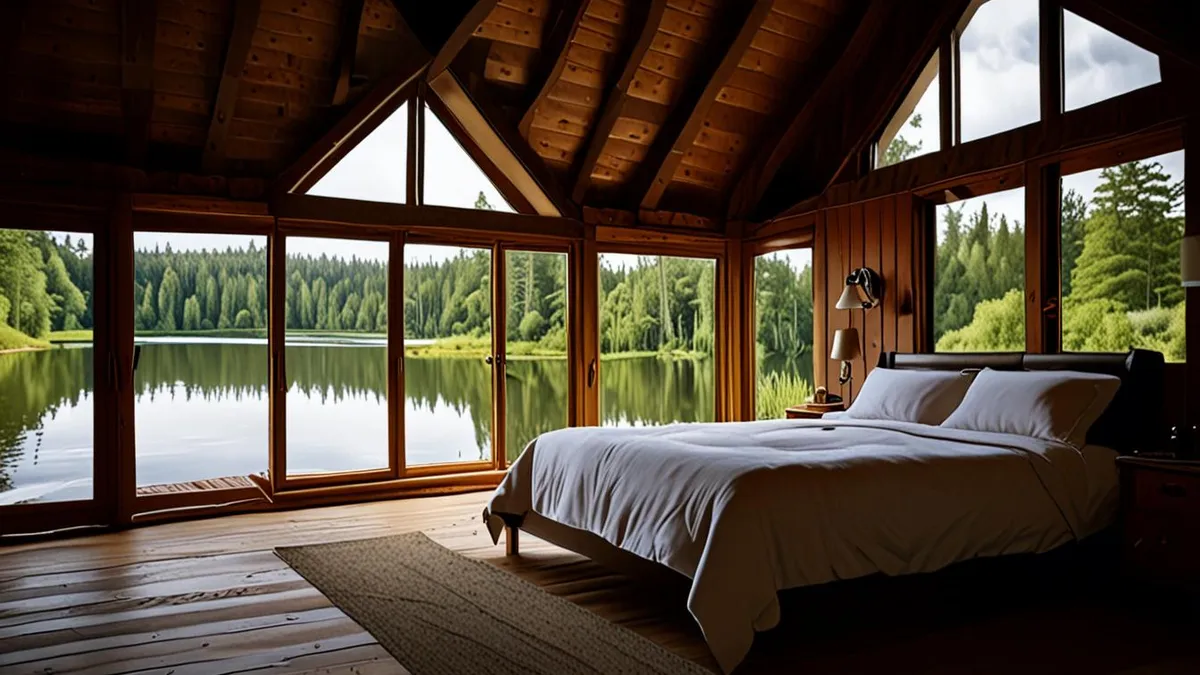
Glamping is all about immersion in the landscape. Instead of a regular apartment, you stay in a curated structure designed to feel special: safari tents with proper beds, geodesic domes with panoramic windows, treehouses lifted into the canopy, or canvas lodges on private land. The setting is the main attraction, and the accommodation is designed around it. You’re paying for the view from your bed and the feeling of being outdoors without giving up comfort entirely.
Airbnb: residential comfort first
Airbnb, on the other hand, prioritizes the practical comforts of a real home. You get a full kitchen, reliable Wi-Fi, a washer, and a location in an actual neighborhood where you can walk to a coffee shop or a grocery store. The property itself might be an apartment, a cottage or a whole house, but the focus is on living somewhere rather than experiencing a landscape.
Location reflects those priorities. Glamping sites cluster in scenic rural areas, typically 30–90 minutes from a city, close to forests, lakes and trails. Airbnbs span everything from dense urban centers to remote farmhouses, so you can find one almost anywhere your trip takes you.
Cost Comparison: What You’ll Actually Pay
Let’s talk numbers, because cost is where many travelers assume glamping is automatically more expensive. The reality is more nuanced, and the two options overlap more than you might expect.
Nightly rates
Glamping typically runs $100–$300 per night, depending on the type of tent and the season. A simple safari tent in shoulder season sits at the lower end, while a heated dome with a private hot tub in peak summer can push the top of that range. Airbnbs average $100–$250 per night, though prices swing widely with city, size and demand. If you want a deeper breakdown of what drives those prices, our guide on how much glamping actually costs covers typical rates by tent type and season.
Fees and what’s included
This is where glamping often quietly wins. The nightly rate at most glamping sites usually includes bedding, linens, towels and on-site amenities, so the price you see is close to the price you pay. With Airbnb, extras vary by host. Cleaning fees commonly add $50–$150 per stay, and some hosts charge separately for things like firewood, late check-in or pet fees. On a short one- or two-night stay, that cleaning fee can push an Airbnb’s total well above a comparable glamping tent. On longer stays, the math shifts, because a fixed cleaning fee gets spread across more nights.
Before booking either one, look at the total price for your dates, not just the nightly rate. That single habit will save you from most pricing surprises.
Comfort and Amenities: Kitchen, Bathroom and Sleeping Setup
Comfort is where the glamping vs Airbnb comparison gets personal. What feels like cozy simplicity to one traveler feels like deprivation to another, so it pays to know exactly what you’re signing up for.
Bathrooms and kitchens
Most glamping units offer either an en-suite bathroom or access to a shared bathhouse, and the quality varies a lot between sites, so always check the listing details. Full kitchens are rare in glamping. Most sites have shared or minimal kitchen facilities, so plan your meals around campfire cooking, a portable grill or nearby restaurants. That’s part of the charm for many people, but it’s a real limitation if you love to cook on vacation.
Airbnbs usually include a full kitchen, a washer and reliable Wi-Fi. That combination makes a big difference on stays longer than 3–4 nights, when cooking some meals and doing laundry saves both money and packing space.
Sleeping capacity
Glamping tents typically sleep 2–4 guests, which makes them ideal for couples or a small family. If you’re choosing between tent styles, our guide on how to pick the right glamping tent walks through the layouts and what to check before booking. Airbnbs scale far more widely, from compact studios for two to entire homes that comfortably host groups of 10 or more. If your group is bigger than four, an Airbnb is usually the more practical and more affordable option per person.
Location and Experience: Nature Immersion vs Local Living
The biggest difference between glamping and an Airbnb comes down to what you see when you step outside. Glamping puts you directly in nature, with safari tents, domes and treehouses set in forests, on lakeshores or in the mountains. You can hike from your doorstep, watch the sunset from your deck and stargaze without any city lights washing out the sky. Because most sites sit well outside town, you feel properly removed from daily life the moment you arrive.
An Airbnb, on the other hand, drops you into real neighborhoods. You can stay in the middle of a city or a small village, walk to restaurants, cafés and attractions, and shop at the local market the way residents do. If your trip is about sightseeing, nightlife or exploring a town on foot, that location matters far more than a canvas roof ever could.
Matching the stay to your trip length
Glamping shines on short escapes: a weekend of hiking, campfires and quiet nights under the stars. Airbnb suits longer trips that mix sightseeing with downtime, since you have space to spread out, cook and do laundry at your own pace. The setting shapes the rhythm of your days too — a glamping site invites slow mornings and early nights, while a rental in town keeps every attraction within easy reach.
If you do go the glamping route, it pays to plan ahead. A solid packing checklist for your glamping trip will save you from forgetting layers, flashlights or sturdy shoes that a city apartment would never require. Check what your site provides before you pack, since bedding and gear vary from one operator to the next.
When to Book: Seasons and Lead Times
Timing matters more for glamping than for almost any other kind of stay, and getting it wrong can mean watching your dream tent disappear. In most temperate regions, the glamping season runs roughly from May to October. Outside those months, many sites simply close for the winter, so your cold-weather options shrink to heated domes and insulated cabins, which tend to book up faster because there are fewer of them on the market.
Airbnbs are a different story. They operate year-round in most destinations, so you can book a January cabin or a July apartment with equal ease. Lead times are also more forgiving, with most travelers booking one to two months ahead, and last-minute options appearing regularly. Glamping rewards planners: aim to reserve two to three months ahead for summer weekends, especially if you have your heart set on a specific site or tent style.
- Summer weekends sell out first. Popular glamping sites often open their summer calendar in early spring, and weekend slots in July and August can be gone before casual planners even start looking.
- Two-night minimums are the norm on weekends. Many glamping operators require a Saturday night alongside Friday, so a one-night getaway is rarely possible during peak season.
- Midweek stays are easier to land. If your schedule allows a Sunday-to-Tuesday trip, you will usually find more open tents and sometimes quieter grounds.
- Holiday weekends need the longest lead time. Treat holiday weekends like mini peak season and book at the early end of the two-to-three-month window.
The good news is that a little foresight pays off. Mark your calendar for booking windows, set a reminder for the day reservations open, and you will have your pick of the best sites instead of settling for whatever is left.
How to Choose the Right Stay for Your Trip
Choosing between glamping and an Airbnb gets much easier once you break the decision into a few practical steps. Work through them in order and the right answer usually becomes obvious. Neither option is better in general; the best pick depends entirely on your group, your dates and what you want out of the trip.
- Count your group. Glamping units typically sleep two to four guests, which makes them a natural fit for couples or small groups. If you have more than four people, an Airbnb ranging from studios up to homes for ten or more guests is usually the simpler choice.
- Set your nightly budget. Glamping rates vary by tent type and season, so compare a few listings before assuming one option is cheaper. If a nature-focused getaway fits your budget, glamping is a strong match; if you need to spend less, widen your Airbnb search instead.
- Decide how long you are staying. For trips longer than four nights, home-style conveniences like cooking your own meals, doing laundry and steady Wi-Fi tip the scale toward an Airbnb, especially for families and remote workers.
- Scrutinize the glamping listing before booking. Bathroom type, heating and meal options vary widely from site to site. Some tents have en-suite bathrooms and wood stoves; others offer shared facilities and no cooking setup at all. Read the details and message the host with questions.
- Check the season and location. Confirm the site is open during your travel dates and note how far it sits from the nearest city, since that drive shapes how much exploring you can realistically do.
Taking ten minutes to run through these steps saves you from the most common booking mistakes, like arriving at a tent with no kitchen when you planned to cook every night, or booking a city apartment when you really wanted a starlit sky. Match the stay to your group, your budget and your dates, and both options can deliver a memorable trip.
The Bottom Line: Glamping or Airbnb?
If you want scenery and a stay you’ll remember, glamping is the stronger pick. A safari tent beside a lake or a dome under the stars delivers the kind of experience a city apartment simply can’t match, especially for couples or small groups on a short escape.
If comfort matters more, Airbnb wins. Full kitchens, reliable Wi-Fi and neighborhood locations make it the better fit for families, remote work trips or stays longer than a few nights. Since both options overlap at $100–$300 per night, the choice really comes down to trip length, season and how much nature you want. Match the stay to your group size and setting, and you can’t go far wrong. If this helped you decide, share the article or leave a comment with your pick.