If you’ve seen photos of stacked sleeping pods and felt a mix of curiosity and dread, you’re not alone. A first capsule hotel stay raises a lot of questions: Is it claustrophobic? Will you actually sleep? What happens to your suitcase, and can you really walk around in borrowed pajamas? That nervousness is normal, especially when you’re booking a bed you can’t stand up in, in a country where you don’t speak the language.
This guide walks you through the whole experience before you spend a single yen. We’ll cover what a capsule hotel stay actually looks like inside the pod and out, what you can expect to pay and when to book, how check-in, curfews and luggage storage work, what to pack versus what’s provided, and the etiquette that keeps everyone sleeping soundly. We’ll finish with an honest look at who capsule hotels suit best and a quick recap for your first night. By the end, the unknown turns into a simple checklist, and the idea of sleeping in a pod starts to feel less like a gamble and more like a smart, affordable way to experience Japan.
What a Capsule Hotel Stay Actually Looks Like
Let’s start with the pod itself, because it’s smaller than most first-timers imagine and more comfortable than they fear. A typical capsule measures roughly 1.2 meters wide, 2 meters long and 1 to 1.2 meters high. Inside you’ll find a firm mattress, a reading light, a power outlet and, in some pods, a small TV. You can sit up in bed, but you can’t stand, so think of it as a private sleeping compartment rather than a tiny room.
The pods are stacked in two tiers along corridors, much like bunk beds enclosed in fiberglass or wood. Most have a blind or sliding door you can close for privacy, but there’s no lock, so anything valuable should go in a locker instead. The corridors are usually quiet zones with dimmed lighting, which makes the whole floor feel calmer than a shared dorm.
Shared spaces beyond the pod
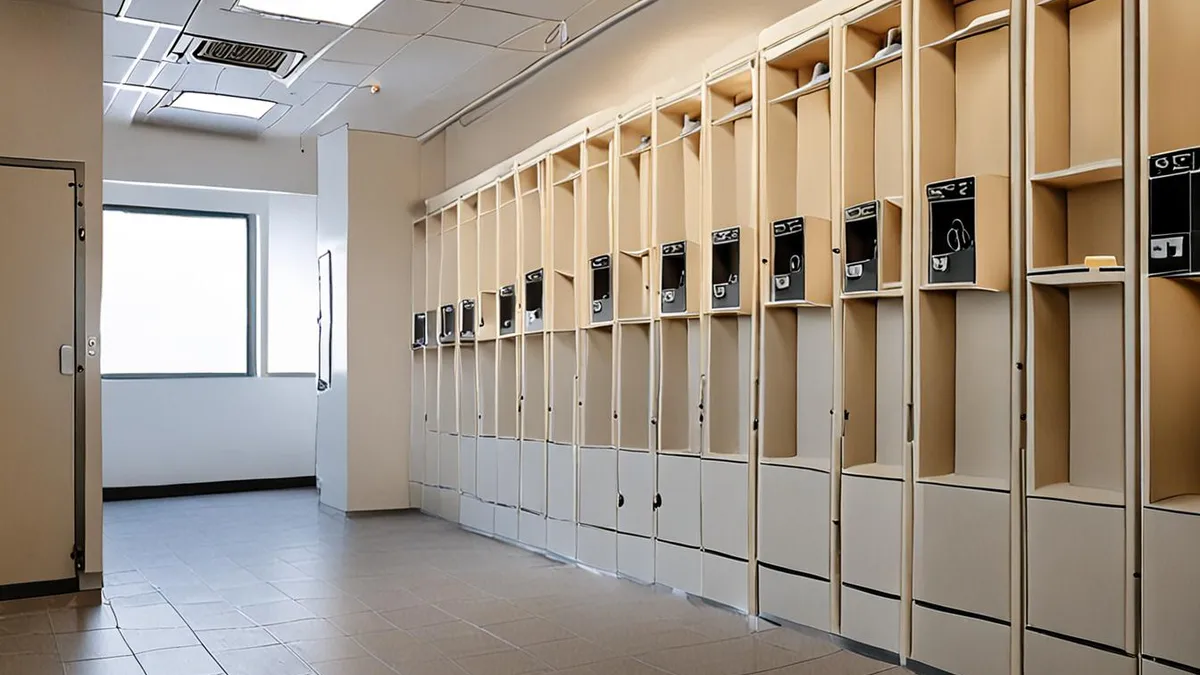
Most capsule hotels separate floors or wings by gender, so men and women sleep in different areas. Bathrooms and showers are communal, similar to a well-kept hostel or gym. You’ll also get a personal locker for your belongings, and many properties add extras that make a big difference: a lounge where you can work or eat, vending machines, and sometimes an onsen-style bathing area where you can soak after a long day of walking. Those shared facilities are where capsule hotels earn their keep, so it’s worth comparing them, not just the pods, when you book.
How Much a Capsule Hotel Stay Costs and When to Book
Capsule hotels are one of the most affordable ways to sleep in Japan’s big cities. Expect to pay around 2,500 to 6,000 yen per night for a standard pod. Premium options with more space, better lounges or spa-style baths, as well as some women-only pods, can reach up to 9,000 yen. Even at the top of that range, you’re usually paying less than a mid-range business hotel, though the trade-off is space and privacy. If you’re used to comparing full-service properties, it helps to read up on what a luxury hotel stay actually includes so you know exactly which comforts you’re swapping for savings.
When to book your pod
For normal travel dates, booking 2 to 4 weeks ahead is usually enough to get a good choice of pods at standard rates. Tokyo and Osaka are the exception during peak periods: pods sell out fastest during cherry blossom season in late March to early April and again during the November foliage season. If your trip falls in those windows, book as early as your plans allow, because the cheapest capsules disappear first.
Timing matters within the week, too. Weekday rates are often noticeably cheaper than Friday and Saturday nights, when local travelers and weekend trippers compete for the same beds. If your schedule is flexible, anchoring your city stay on a Tuesday or Wednesday can shave a meaningful amount off a multi-night trip. As always, check current prices when you book, since rates shift with demand and season.
Checking In: Rules, Curfews and Luggage
Checking in at a capsule hotel is a bit different from a regular hotel, and knowing the routine in advance saves you embarrassment at the front desk. Check-in typically opens around 3 to 4 pm, with checkout around 9 to 10 am the next morning. You’ll usually fill out a short form, leave your shoes in a locker at the entrance (a standard practice in Japan), and receive your sleepwear, towel and locker key. One detail that catches many first-timers: many properties charge extra if you want to re-enter after you’ve checked out, so don’t count on popping back to shower after a morning of sightseeing.
Curfews and late nights
Curfews are common at capsule hotels, often between midnight and 1 am. This isn’t about being strict for its own sake; with thin pod walls and no locks, managers keep nighttime comings and goings to a minimum. If you plan to be out late, check the curfew before booking, or you may find yourself locked out and paying for a room you can’t use. Missed the last train? In that case, a capsule hotel can genuinely save the night, but arrive before the curfew.
What happens to your luggage
Space inside the pod is limited to a carry-on, so plan accordingly:
- Large suitcases go into lockers or front-desk storage. Staff will direct you to a designated storage area, and some properties limit locker size, so a big roller bag may need to stay with the front desk.
- Only take a small day bag into the pod. Phone, wallet, a bottle of water and your toothbrush bag are all that fit comfortably at the foot of the mattress.
- Keep valuables in your personal locker, not the pod. Pods have no locks, so passports, cash and electronics belong in the locker provided at check-in.
What to Pack and What’s Provided
One of the nice surprises about capsule hotels is how much they hand you at check-in. Most properties provide sleepwear, either a comfortable loungewear set or a simple disposable top and bottom, along with a towel for the shared bath. Basic toiletries are standard too, so you can skip the full toiletry bag for a short trip.
That said, the provided kit covers the basics, not comfort. Pods block out light well, but sound travels through the thin walls, especially in busier properties near stations. A pair of earplugs and an eye mask take up almost no space in your bag and can make the difference between a restful night and a rough one.
Space inside the pod is limited, so think small. A day bag with just what you need for the night is all that belongs in there with you. Everything else, including valuables, should go in the locker assigned to you at check-in. Here’s what to bring and what to leave behind:
- Earplugs and an eye mask: silicone or foam earplugs work well for masking snoring neighbors, and a soft eye mask helps if your pod’s blind doesn’t close fully or the corridor light stays on.
- A small day bag: pack a change of clothes, your charger and toiletries in a compact bag so you’re not juggling a full suitcase in the narrow pod corridor.
- Padlock for the locker: some properties provide one, others expect you to bring your own, so a small combination lock is worth tossing in your bag.
- Your own skincare items: basic toiletries are covered, but if you have specific products or a full skincare routine, bring travel-size versions since the provided selection is minimal.
Capsule Hotel Etiquette Every First-Timer Should Know
Capsule hotels run on quiet, and the etiquette is simple once you understand why. With dozens of pods lined up along a corridor and only a thin blind between you and your neighbors, sound carries. Keep your voice low and dim your phone screen when you’re in the pod corridors, especially after 10 pm when most guests are settling in or already asleep.
The shared baths are where the rules get stricter for some travelers. Many capsule hotels ban tattoos in their communal baths, following the same customs as Japanese onsens, while others offer cover patches as a compromise. If you have visible tattoos, check the property’s policy before booking rather than discovering it at check-in.
Food and drink belong in the lounge, never inside the pod. Crumbs and spills in a space that gets turned over nightly are a problem for everyone, and most properties make this rule explicit. Shared resources matter too: charging outlets and bathroom mirrors are used by dozens of guests, so unplug when your device is full and keep mirror time brief during the morning rush. A few more habits worth picking up:
- Silence your phone completely: even vibration mode can be heard through pod walls, so switch to full silent mode before entering the sleeping area.
- Wear the provided sleepwear in shared spaces: walking to the bath in your street clothes or pajamas from home can draw unwanted attention in properties with strict house customs.
- Slide, don’t slam: pod blinds and locker doors are lightweight and noisy, so close them gently, particularly if you’re leaving early in the morning while others sleep.
- Ask staff about bath rules: if you’re unsure about tattoo policies, bathing procedures or peak times for the shared bath, the front desk can clarify before you get to the changing room.
Who a Capsule Hotel Stay Suits Best
Capsule hotels shine brightest for a specific kind of traveler: the solo visitor on a short city trip. If you’re spending one or two nights in Tokyo, Osaka or Kyoto and plan to be out exploring most of the day, a pod gives you a clean, comfortable place to sleep at a fraction of what a regular hotel charges. You don’t need much space when you’re only there to rest.
When a pod isn’t the right fit
Couples should think twice. Pods are strictly single-occupancy, and because sleeping areas are typically divided by gender, you and your partner would end up in different parts of the hotel entirely. If sharing a room matters to you, a budget business hotel will suit you better, even at a higher price.
Long stays can also wear thin. Living out of a locker with limited storage and shared bathrooms works fine for a night or two, but after a week the lack of personal space starts to feel restrictive.
The missed-last-train lifesaver
There’s one scenario where capsule hotels are genuinely brilliant: missing the last train. Tokyo’s train network stops running around midnight, and a taxi across the city can easily cost more than a night in a pod. Many capsule hotels offer same-night bookings or walk-in availability, and some are located right near major stations for exactly this reason. If you’re out late in the city and the trains have stopped, knowing where the nearest capsule hotel is can turn a costly taxi ride into an affordable, simple night’s sleep. Keep one in mind as a backup on any night out in Japan’s big cities.
Wrapping Up Your First Capsule Hotel Stay
A capsule hotel stay is less mysterious than it first sounds: a compact pod around 1.2 meters wide and 2 meters long, shared facilities that are usually clean and well organized, clear house rules, and prices typically between 2,500 and 6,000 yen per night. Once you know what to expect, the fear of the unknown fades fast. The reality is closer to a tidy hostel with more privacy than to anything strange or uncomfortable.
The formula for a smooth night is simple: book early if you’re traveling during cherry blossom season or November foliage, pack light so you can manage lockers and corridors easily, and follow basic etiquette like keeping quiet and eating in the lounge. Capsule hotels suit solo travelers on short city trips best, while couples and longer stays are usually better served by a regular room. If you’ve stayed in a pod before, share your experience in the comments or pass this guide along to a friend planning their first trip to Japan.