Glamping looks dreamy in the photos: a canvas tent glowing at sunset, a wood-fired hot tub on the deck, coffee in hand with a mountain view. But the glamping cost behind those pictures can swing wildly, from around $75 a night for a simple bell tent to well over $600 for a luxury dome. That range makes it hard to know whether a rate you’re seeing is fair or inflated.
This guide breaks down typical prices by accommodation type, explains what actually drives the nightly rate, and shows how the season changes what you’ll pay. We’ll also cover the extra fees that often surprise travelers, share practical ways to save money, and compare glamping against traditional camping and hotels so you can decide whether the comfort is worth it. By the end, you’ll have a realistic budget for your first (or next) glamping trip.
What Is the Average Glamping Cost per Night?
Glamping prices fall into three broad tiers, and knowing where a listing sits helps you judge whether the rate is fair. At the budget end, simple canvas tents and bell tents generally run $75–$150 per night. These are usually furnished tents on a farm, vineyard, or small campground, often with shared bathroom facilities nearby rather than plumbing inside the unit.
Mid-range and luxury options
Step up to the mid-range and you’ll find safari tents and yurts, which typically cost $150–$300 per night. At this level you can usually expect real beds with proper linens, some form of heating or cooling, and often a private or en-suite bathroom. Many sites in this tier also include a small kitchenette or a covered outdoor seating area.
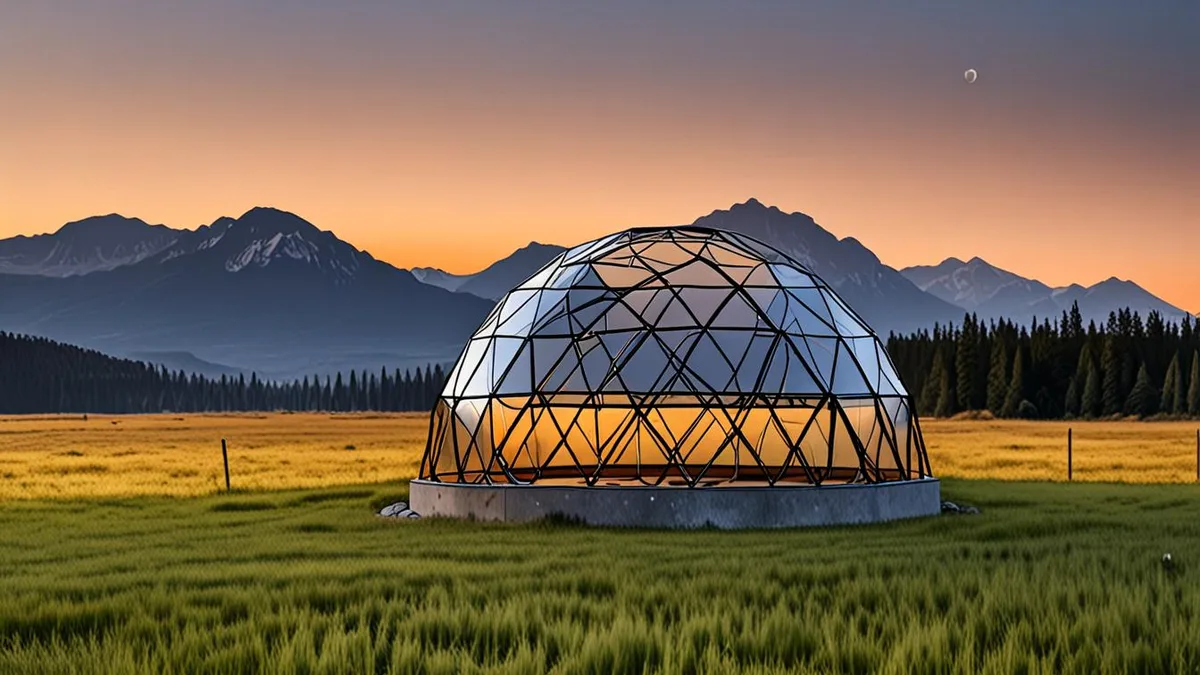
At the top of the market, luxury domes, treehouses and lodges often cost $300–$600+ per night. These units tend to feature full bathrooms, quality furniture, panoramic windows or decks, and sometimes extras like hot tubs or daily breakfast. Location matters here too: a designer treehouse overlooking a national park can sit at the very top of this range, while a similar unit inland may cost noticeably less. Always check what’s included before comparing rates, since two listings at the same price can offer very different levels of comfort.
What Drives the Price of a Glamping Stay?
Not all glamping units are priced equally, even on the same site. The single biggest factor is the tent type itself: a basic bell tent with camp beds costs far less to run than a safari tent with solid flooring, insulation, and a full kitchen. En-suite bathroom access is the other major driver. Units with a private toilet and shower inside command a clear premium over those where you walk to a shared washblock, especially in the morning or on a rainy night.
Location is the second big lever. A site perched on a cliff with ocean views, or one that’s genuinely remote and hard to supply, will charge more than a similar tent an hour from the coast. Scarcity plays a role too: a property with only three units can fill its calendar at higher rates than a large resort competing on price.
Then there’s everything included in the rate. Expect to pay more for:
- Private hot tubs or wood-fired saunas, which add setup, water, and firewood costs for the operator.
- Catered meals or breakfast baskets delivered to your tent, which turn the stay into a semi-hotel experience.
- Private decks, fire pits, and outdoor furniture, which increase both construction cost and the usable space per unit.
- On-site activities such as kayaks, guided walks, or farm tours bundled into the nightly rate.
When comparing listings, add up what each one actually includes. A higher nightly rate with meals and a hot tub can work out cheaper than a bare-bones tent plus paid add-ons.
How Season Affects Glamping Prices
Timing has a bigger effect on glamping prices than most travelers expect. During peak season, which typically runs from June through August, rates run 30–50% higher than off-season prices. School holidays, long weekends, and good weather mean operators can fill every unit, so they do, and a safari tent that costs $200 in April may climb well past that in July.
The value of shoulder months
Shoulder months like May, September and October are where savvy travelers find the best deals. Rates drop back toward off-season levels, the weather is often still pleasant for sleeping under canvas, and sites are noticeably quieter. You’re also more likely to get a last-minute booking or a friendly upgrade when the calendar isn’t full.
Winter is a different story. Many glamping sites simply close between late fall and spring, so availability drops sharply unless the property offers heated or insulated units. If you do find a winter opening, prices can be attractive, but check carefully what the unit includes: a dome with proper heating and a wood stove is a very different experience from a summer tent with a portable heater. Before booking any cold-weather stay, confirm the heating setup, whether water pipes are protected from freezing, and what the cancellation policy is if a storm rolls in. A bargain rate means little if the tent is unusable for half your trip.
Hidden and Extra Costs to Budget For
The nightly rate you see when browsing is rarely the full story. Glamping sites and rental platforms often layer on extra charges that only appear at checkout, and these can add a meaningful amount to a weekend trip. Budgeting for them upfront keeps the final bill from being a surprise.
The most common add-on is a cleaning or service fee. On major rental platforms, these fees can add $50–$150 per booking, regardless of whether you stay one night or three. On a short trip, that fee can rival a large chunk of the nightly rate itself, so it pays to check the total price, not the headline price, before you book.
Established glamping resorts also tend to charge for things that feel included. Before you commit, ask what the base rate actually covers. Common extras include:
- Firewood and fire kits — many sites sell bundled wood on-site or require you to buy their own supply rather than bring yours, since some regions restrict outside firewood to prevent pests.
- Meals and drink packages — some resorts offer catered breakfasts or BBQ hampers at an added per-person cost, while others have no food service at all and expect you to self-cater.
- On-site activities — kayaking, guided walks, archery or sauna sessions are often bookable for a separate fee, even when the site markets them prominently.
- Pet fees — dog-friendly sites frequently charge a per-stay pet fee, and some limit pets to certain tent types.
- Extra-guest charges — resorts commonly price their rates for two people and add a nightly fee for each additional guest, including children at some properties.
Watch out for resort fees and taxes that some destinations add on top of the listed rate, and check whether deposits are refundable if your plans change. A good habit is to message the host or resort before booking and ask for a full price breakdown. Knowing what is included, what costs extra and what fees apply lets you compare sites fairly and avoid a checkout total that looks nothing like the rate you clicked on.
How to Save Money on Glamping
Glamping rarely needs to cost full price. Unlike big hotel chains, most glamping sites are small operations run by individual hosts or families, and an empty tent earns them nothing. That means they have real incentive to fill their units, and rates often move more than travelers expect. Sites also have predictable quiet periods you can plan around, and with a little timing plus a few minutes of comparison shopping, you can often shave a noticeable amount off the exact same stay. Here are the tactics that consistently work.
- Book weekday nights. Weekday nights are often 20–30% cheaper than weekends, and you get the site at its quietest, with fewer neighbors and better access to shared facilities. If your schedule allows even one weeknight, a Monday or Tuesday check-in is usually the easiest saving to make, and it often pairs well with a Friday or Sunday night on either end.
- Reserve 3–6 months ahead for peak-season weekends. Summer weekend slots at popular sites sell out early, and the last remaining tents tend to be the priciest units because hosts know demand is high. Booking 3–6 months out gives you the full choice of tent types at the better rates, rather than whatever is left over.
- Travel in shoulder season. May, September and October typically bring lower rates, milder crowds and often still-pleasant weather. Ask hosts whether their units are heated or insulated if you are going outside high summer, since comfort varies a lot between tent styles.
- Compare direct-booking rates against platform prices. Many hosts list on rental platforms and on their own websites at the same time. Booking direct sometimes costs less because the host avoids platform commission, and some offer perks like late checkout or a small welcome extra for direct guests.
Combine two or three of these tactics and the savings compound: a weekday stay in September, booked direct a few months ahead, can cost far less than the same tent on a July Saturday. Before paying, check the cancellation terms carefully, since the cheapest rates are sometimes the least flexible if your plans change.
Glamping vs Traditional Camping and Hotels: Price Comparison
To judge whether glamping is worth it, it helps to see where it sits against the alternatives. The honest answer is that it lands squarely between traditional camping and a hotel, both in price and in experience.
How the three options compare
Traditional camping with your own gear typically costs $20–$60 per night, mostly covering the campsite itself. It is by far the cheapest option, but you supply and haul everything: tent, sleeping bags, stove, cooler and lighting. Setup and packing take real time, and a rainy first night can color the whole trip.
Mid-range hotels usually start around $120 per night and climb from there in comparable destinations. You get a private bathroom, climate control and a proper bed, but you are indoors, often in a town or along a road, rather than out in the landscape that drew you there in the first place.
Where glamping fits in
Glamping sits between the two. A basic bell tent overlaps with the lower end of the hotel range, while a luxury dome or safari tent with an en-suite bathroom can cost as much as or more than a mid-range hotel room. What you are paying for is a ready-made setup in a setting hotels rarely occupy: a real bed, lighting and often a bathroom, steps away from dark skies or a trailhead.
The trade-off is straightforward. You pay more than camping to skip the gear, the packing and the weather exposure, and you pay a premium over a hotel for the location and the experience. If those things matter to you, the price usually feels justified; if not, a tent of your own or a standard room may serve you better.
Wrapping Up: What Glamping Really Costs
So, what does glamping really cost? For a basic tent, expect to pay from around $75 a night, while mid-range safari tents and yurts usually sit somewhere in the middle, and luxury domes can easily top $600. The final bill depends on the tent type, the season and the extras you add, and cleaning or service fees on booking platforms can quietly add another $50–$150 per stay.
The good news is that the price gap works in your favor if you plan a little. Weekday nights are often 20–30% cheaper than weekends, and shoulder-season trips tend to deliver the best mix of value and comfort. Glamping isn’t cheap, but knowing these typical ranges means you can spot a fair rate when you see one. If this guide helped you budget your next trip, leave a comment or share it with a fellow traveler.